Shrouded Veterans: Missouri Steamboat Explosion Survivor Becomes Colonel
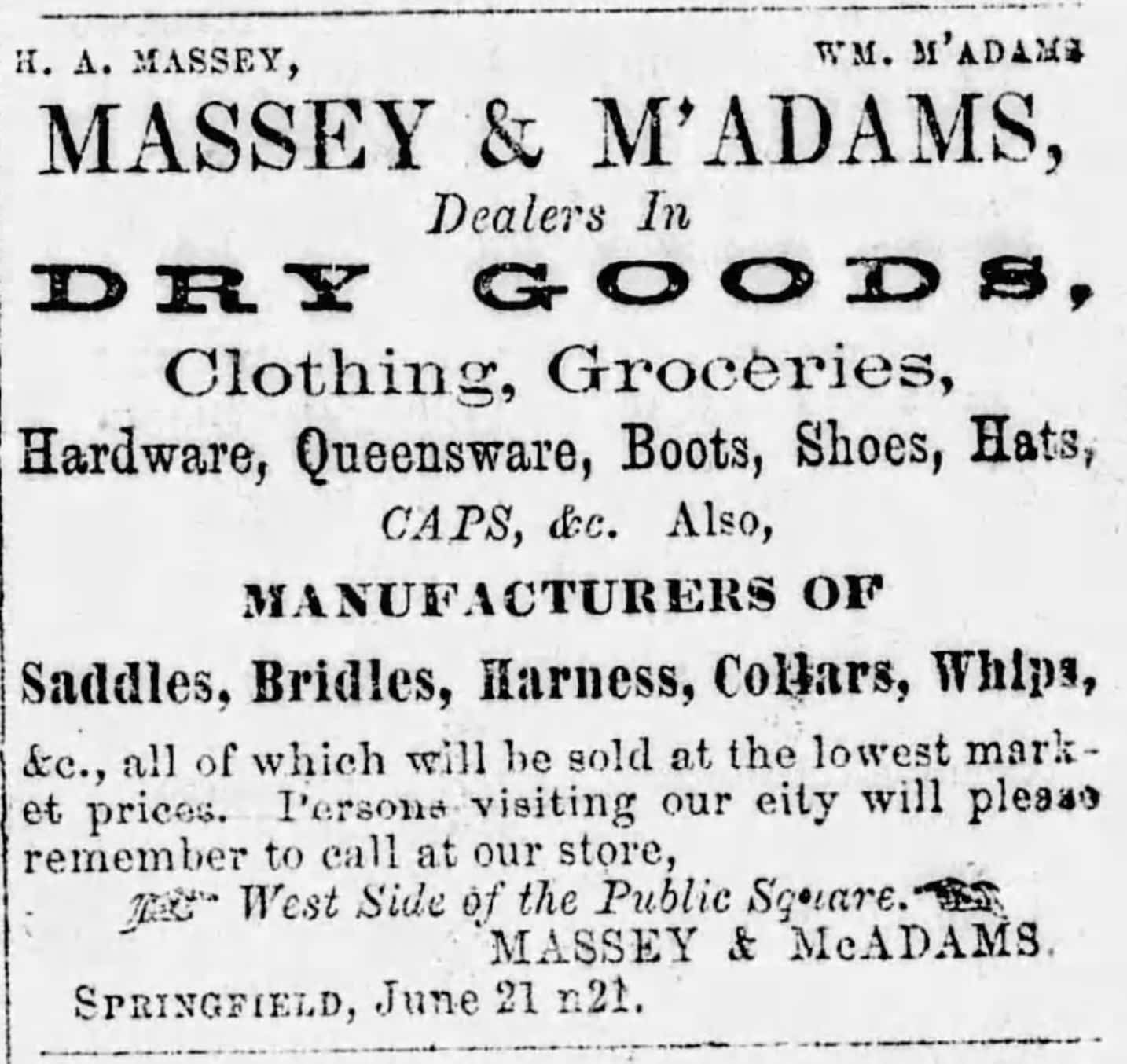
 On the morning of February 16, 1854, Hervey A. Massey and John Jones sat chatting near the stove in the social hall aboard the Kate Kearney as it departed the wharf in St. Louis. Massey was employed as a clerk in Jones’ mercantile business.
Suddenly, the steamer’s boiler exploded, launching Massey overboard and into the Mississippi River. Residents reportedly heard the blast blocks away, and a two-foot-wide hunk of the boiler was thrown 200 yards, striking a fourth-story store window before falling and crushing a horse standing beneath it.
Massey’s hands and legs were scalded, but he swam to a small boat, where someone pulled him aboard and then took him to shore.
Dozens of passengers weren’t so fortunate and were either killed instantly or died agonizing deaths from burns or from inhaling scalding steam. Major Richard C. Gatlin, later a brigadier general in the Confederate Army, was only slightly injured, but his 3-year-old son, John, died from his injuries. Major Don Carlos Buell, later a major general in the U.S. Army, was among the injured and was bedridden for five days before he regained enough strength to leave the city. At first, it was feared his case was fatal because of internal injuries he suffered from breathing in steam.
After a diligent search, friends couldn’t locate Massey’s employer, John Jones. They eventually found his baggage and offered a $500 reward for his body. However, in May, his body turned up at the foot of Plum Street, lodged against the wheel of a steamboat. His remains were badly decomposed, but they identified him as Jones based on a letter found on the body and the description of his clothing.
After his hairbreadth escape, Massey entered the mercantile business with Jones’ partner, Joseph W. McClurg, later governor of the state. The Springfield Leader described Massey as “a quiet, unassuming, but energetic and thorough businessman, [and] a kind and hospitable friend.”
In July 1862, Missouri Gov. Hamilton R. Gamble issued a special order authorizing Brig. Gen. John M. Schofield to form 70 regiments of the Enrolled Missouri Militia (EMM) to contend with guerrilla activity in the state. Every male in Missouri between the ages of 18 and 45 was ordered to report to the nearest military post with his personal arms and a horse (if available) and be assigned to one of the regiments. Most wore civilian clothes, so EMM troops identified themselves by wearing white bands around their hats.
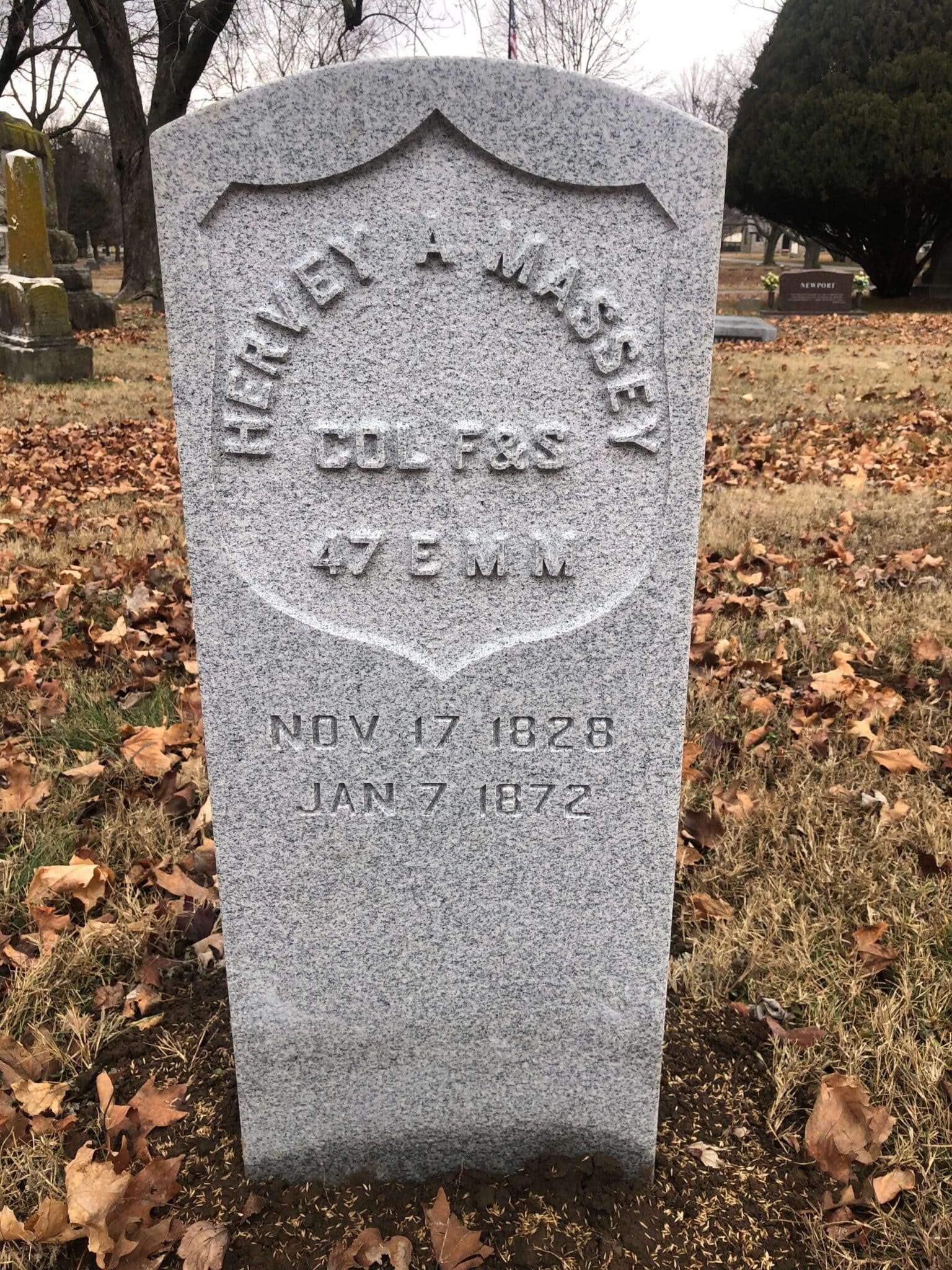
On Sept. 18, Gamble appointed Massey, a loyal Unionist, colonel of the 47th Enrolled Missouri Militia. He remained in service until November, when he resigned and was succeeded by Lt. Col. John D. Brutsché. Afterward, Massey allegedly lent his steamboat to U.S. forces operating on the Mississippi.
On Jan. 7, 1872, Massey died in Springfield, Missouri, of pneumonia at the age of 41. Many citizens of Springfield attended his funeral, and the Springfield Board of Trade, of which Massey was a member, draped the association’s rooms in mourning for 30 days as a token of respect to his memory. Massey was initially buried at Hazelwood Cemetery, but his remains were moved in 1887 to Maple Park Cemetery. A government-issued veteran headstone was installed at Massey’s previously unmarked grave.
Shrouded Veterans is a 501(c)(3) nonprofit organization dedicated to rescuing the neglected graves of 19th-century veterans, primarily Mexican War (1846-48) and Civil War (1861-65) soldiers, by identifying, marking, and restoring them. You can view more completed grave projects at facebook/shroudedvetgraves.com.


