Civil War Literacy in the River Defense Fleet: A Case Study
It is a pretty fair statement that the Civil War was a conflict waged by largely literate participants. Letters and diaries kept by soldiers and sailors facing combat, as well as by families on the home front, are the staple of primary sources kept in archives across the country. Not all wartime participants kept these documents, however, and many were in fact functionally illiterate or incapable of reading and writing at all. This makes sense, as millions of enslaved people were indeed legally prohibited from learning to read and write, but exploring literacy from a macro standpoint in other groups has largely gone unexamined.
To test this thought on literacy amongst wartime participants I thought to run a small experiment centering on the Confederate River Defense Fleet. This was an organization formed in early 1862 by the Confederate War Department. Fourteen Mississippi River steamboats were confiscated and purchased, brought to dry-docks in Algiers, just opposite the Mississippi to New Orleans, and strengthened with iron rams and cotton bales. The flotilla was manned by civilians contracted by the War Department, taking part in the battles of Forts Jackson and St. Philip, Plum Point Bend, and Memphis. Despite a couple of limited successes, by 1862, all the flotilla’s ships had either been sunk in battle, destroyed by their own crews to prevent capture, or were captured and put into use by the US Navy.
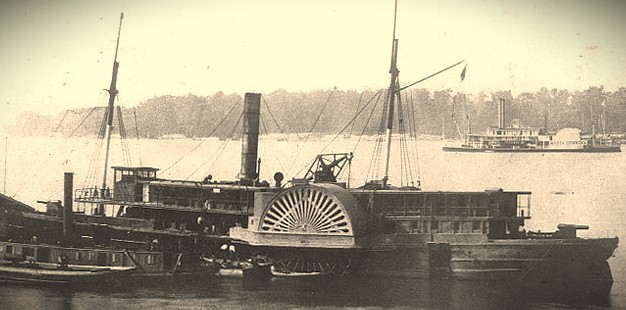
I picked the River Defense Fleet because the group is a relatively small force. Fourteen ships, with each possessing a crew of some forty river sailors, makes for a relatively small overall sampling. Moreover, I possess a means of actually being able to judge the literacy of men on these ships: their shipping and pay articles. When sailors join a ship, or when they get paid, a massive ship-wide ledger is kept where sailors sign their names to indicate receiving funds. To keep it simple, I combed through these available pay records, shipping articles, and officer lists. Those who physically signed their names were deemed literate to some degree. Those who signed by ‘making their mark’ instead, were deemed illiterate.
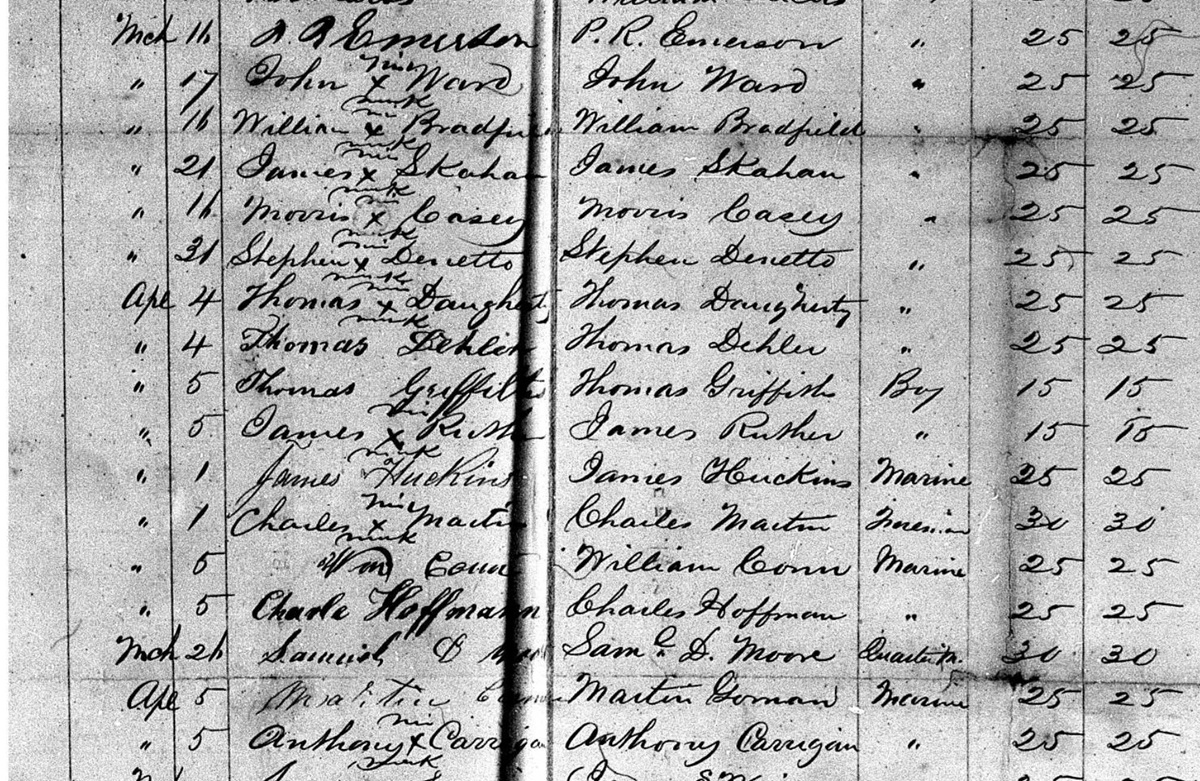
I recognize that there are some shortcomings to this simple approach, and I also recognize that I do not have these records for all fourteen ships, but the overall macro look offers some insights into just how literate the River Defense Fleet generally was. I will now summarize results from each of the River Defense Fleet’s vessels:
- Colonel Lovell: 10 officers and 37 rated crewmen. Of the 47 crew, 17 were deemed illiterate, making a literacy rate of 63.84%.
- Defiance: 8 officers and 45 rated crewmen. Of the 53 crew, 12 were deemed illiterate, making a literacy rate of 77.36%.
- General Beauregard: 12 officers and 48 rated crewmen. Of the 60 crew, 21 were deemed illiterate, making a literacy rate of 65.00%.
- General Bragg: 12 officers and 30 rated crewmen. Of the 42 crew, 11 were deemed illiterate, making a literacy rate of 73.80%.
- General Breckinridge: No Muster Sheets Found.
- General Earl Van Dorn: No Muster Sheets Found.
- General Lovell: 7 officers and 33 rated crewmen. Of the 40 crew, 21 were deemed illiterate, making a literacy rate of 47.50%.
- General M. Jeff Thompson: No Muster Sheets Found.
- General Sterling Price: 7 officers and 56 rated crewmen. Of the 63 crew, 14 were deemed illiterate, making a literacy rate of 81.67%.
- General Sumter: No Muster Sheets Found.
- Little Rebel: No Muster Sheets Found.
- Resolute: 6 officers and 52 rated crewmen. Of the 58 crew, 18 were deemed illiterate, making a literacy rate of 68.97%.
- Stonewall Jackson: 11 officers and 34 rated crewmen. Of the 45 crew, 16 were deemed illiterate, making a literacy rate of 64.44%.
- Warrior: 8 officers and 47 rated crewmen. Of the 55 crew, 17 were deemed illiterate, making a literacy rate of 69.09%.
To summarize, muster sheets, pay rolls, and officer listings were found for nine of the River Defense Fleet’s fourteen steamboats. These nine ships collectively held 81 officers and 382 rated crewmen, averaging 51.44 total crew per ship. In total, I found 147 illiterate crew on these nine ships, marking an overall estimated literacy rate of 68.25% for the Confederate River Defense Fleet.
This small sampling of one Confederate organization offers some insightful extrapolation. Indeed, most crew members were literate, adding credence to the statement that most Civil War participants (at least Anglo participants) were literate to some degree. But just under one-third of those in this look were illiterate, hinting that such an expanded view of universal literacy cannot be generally accepted everywhere. Again, by no means is this something that can be extrapolated to cover all Civil War military and naval organizations, but it does make you think about just who was writing letters and diaries 165 years ago, and who was not.
Note on Sources:
The shipping articles, pay musters, and officer listings that I used for this are all housed in the Confederate Vessel Papers: Papers Pertaining to Vessels Involved with the Confederate States of America (War Department Collection of Confederate Records, Records Group 109), National Archives Building, Washington, DC.


Fascinating approach.
Interesting shorthand approach. One thing to keep in mind is that writing and reading are different skills and not necessarily taught together. So, it’s entirely possible that a greater percentage of men could read than could write, even their names.
X
Have those records been digitized or did you actually have to go to the National Archives Building?
Hey Debbie, I got these records off of a microfilm roll about 7 years ago. They may however be digitized now.