We’ll See You on the Battlefield: Coastal Fortifications as the Perfect Site for Civil War Novices
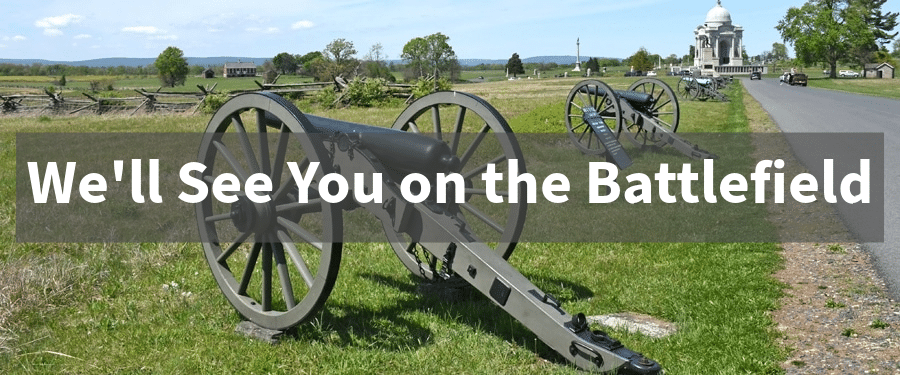
There is a problem that Civil War novices can easily face: Civil War battlefields can be intimidating.
Gettysburg is packed with buses, thousands of patrons, hundreds of cannon and monuments, and tour guides galore. Other battle sites can share many of the same things, making novices overwhelmed about what to see and worried about what they may miss. Conversely, some smaller parks can be devoid of practically everything but an open field and a couple of signs, leaving novices wondering why the site matters at all and creating difficulty in picturing the scene properly. Perhaps the best starting point for Civil War novices looking to visit a specific site is to not visit a battlefield at all, but instead to visit one of the many Civil War era coastal fortifications.

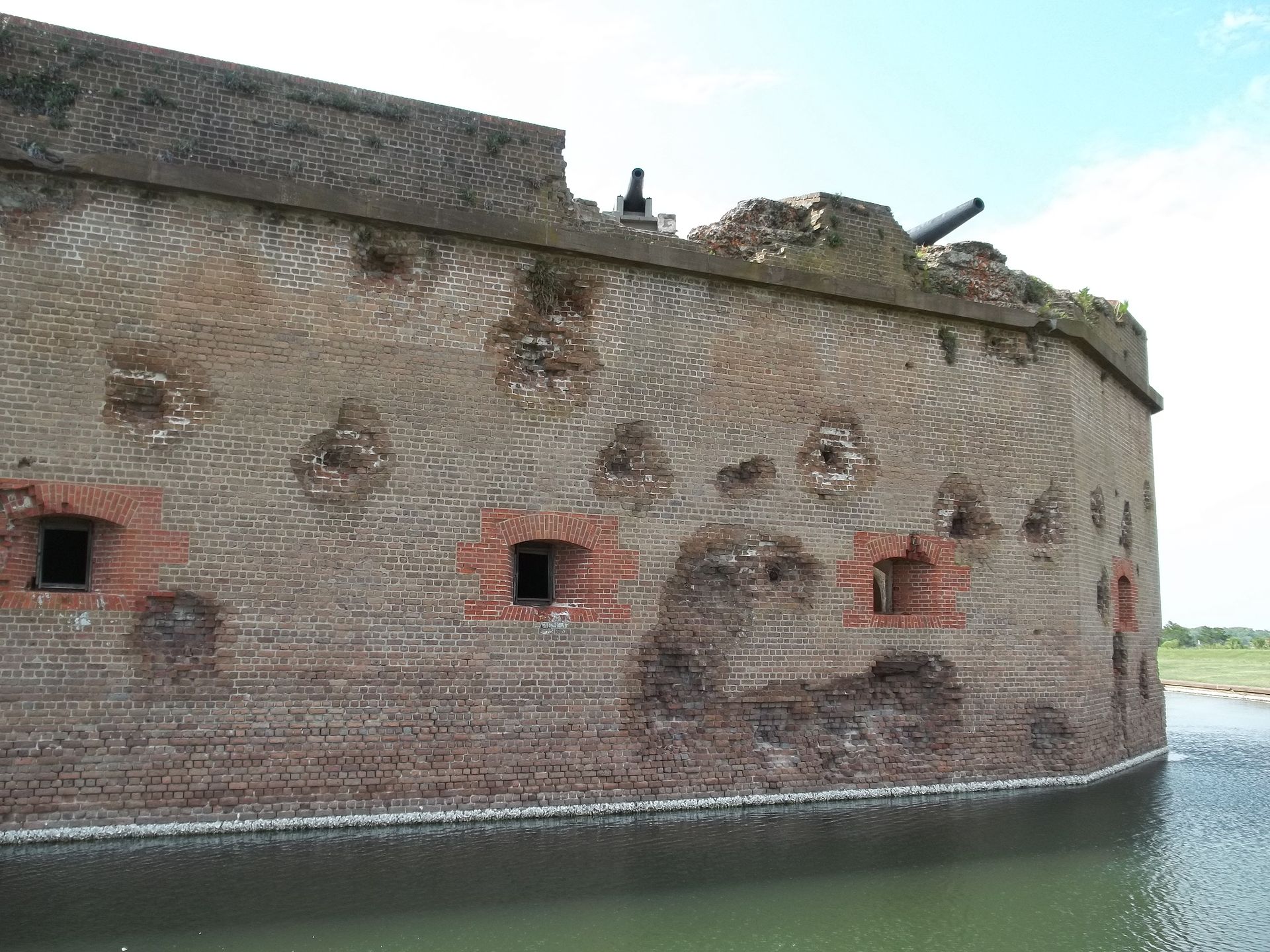
The war’s coastal forts are numerous and span the Atlantic seaboard, with Alcatraz Island even representing the Pacific. Most were built before the war and were made using bricks. Some are quite famous and saw extensive combat operations, like Fort Sumter in Charleston or Fort Pulaski in Savanah, while others remain obscure and never fired a shot in anger, like Fort Warren in Boston. Other coastal forts, like Fort Fisher defending Wilmington, are earthen-built and were constructed during the war itself.
These forts are great Civil War sites to see for anyone, but excellent for those unfamiliar with visiting historic sites related to the war. Instead of an open field people traverse in the summer’s hot sun, visitors to forts often get to walk in the shade provided by the structure itself. There is always something to physically see, and it is much easier for novices to visualize ships or soldiers attacking the position they are standing in.
Most of these forts have guided and unguided tours, as well as displays. They also always have a cannon (or several), which is always a blast considering they are almost always larger naval or siege guns instead of field artillery. There is something awesome about getting a picture taken by one of these monster pieces of artillery.
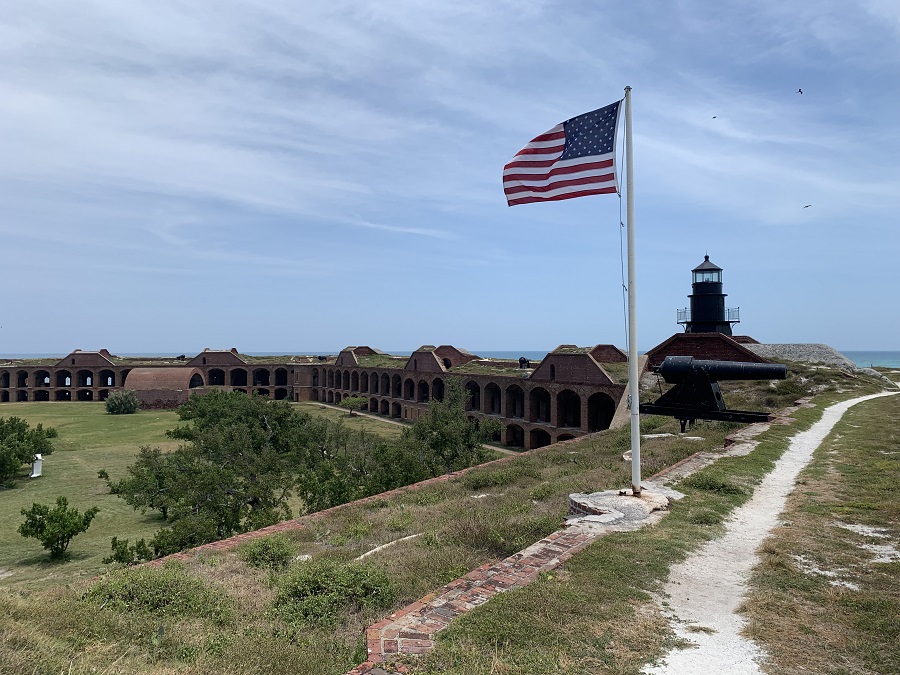
Besides making Civil War novices more easily visualize the conflict on site, these coastal fortifications have other advantages for visitors, especially families. Since they are on the coastline, most of these forts are placed on or near beaches, making a Civil War tour part of a fun family day in the sand. Many of them (Fort Warren in Boston, Fort Sumter in Charleston, Fort Jefferson in the Dry Tortugas, and Fort Massachusetts on Ship Island for instance) also require a boat ride to get to. Though that requires more advanced planning for a visit, it also makes the trip seem extra special. Some of these forts have campgrounds or cabins nearby, allowing people to spend the night on site.
If spending a day hiking in the sun across open fields seems to dissuade people unfamiliar with visiting Civil War sites, trying a visit to a coastal fortification could be just the thing to spark some interest in the conflict’s history while simultaneously creating a unique experience with loved ones.
To close, these are just coastal fortifications. There are a host of others inland as well that can be visited – Fort Pillow, Fort Donelson, fortifications in Washington and at Petersburg just to name a few. A visit to a coastal fort could easily be followed with a visit to a inland one, which can turn into a battlefield visit.
Emerging Civil War has previously written about visits to some of these coastal fortifications:
- Fort Alcatraz, San Francisco, California
- Fort Fisher, North Carolina
- Fort Jefferson, Dry Tortugas National Park
- Fort Monroe, Virginia (two articles, here and here)
- Fort Warren, Boston, Massachusetts
- Fort Zachary Taylor, Key West, Florida
In 2022, Emerging Civil War also ran a series of articles about forts, which can be found here.


Fort Fisher is a great site and not far from Wilmington, which has A LOT of historic sites and museums to visit.