We’ll See You on the Battlefield: Go West, Young Man
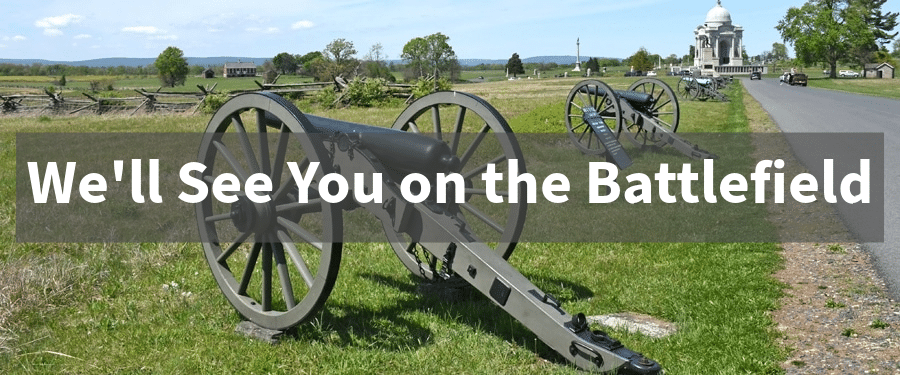 When Horace Greeley said “Go West, young man,” I can only assume he was giving advice on visiting some of America’s lesser-known battlefields.
Sure, if you like crowds and traffic, make a beeline for Gettysburg this summer. But if you want to find a slice of history that’s a little wilder, a little less curated, and a little more surprising, consider these tips for visiting more remote Civil War sites – either in the West, or just off the beaten path in the East.
Embrace the joy of discovery:
You never know what you’re going to find in a new place!
In the spring of 2018, several tired hours into a road trip from Denver to Santa Fe, I spotted the beloved shade of brown that denotes an historic site. I thought, “What’s Fort Union?” before convincing my wife we should take a break there. At the time, I had a vague sense that there was a Civil War campaign that happened in New Mexico, but I hadn’t studied it in detail.
After visiting Fort Union, I came away with endless questions about the Civil War in the region We added Pecos National Historic Park – home to the Glorieta Pass battlefield – to our itinerary. I started writing about that campaign for Emerging Civil War, have been back to New Mexico several times, and a couple of months ago, we released this entry in the Emerging Civil War series.
Be prepared for a less curated experience:
Battlefield preservation at remote Civil War sites, especially in the West, can look a lot different than at the big battlefields. There may not be as many staff, or much in the way of interpretive signage. But there also isn’t going to be a convenience store or gas station around the corner, or maybe even within 20 miles of you. Cell service might be dicey at best.
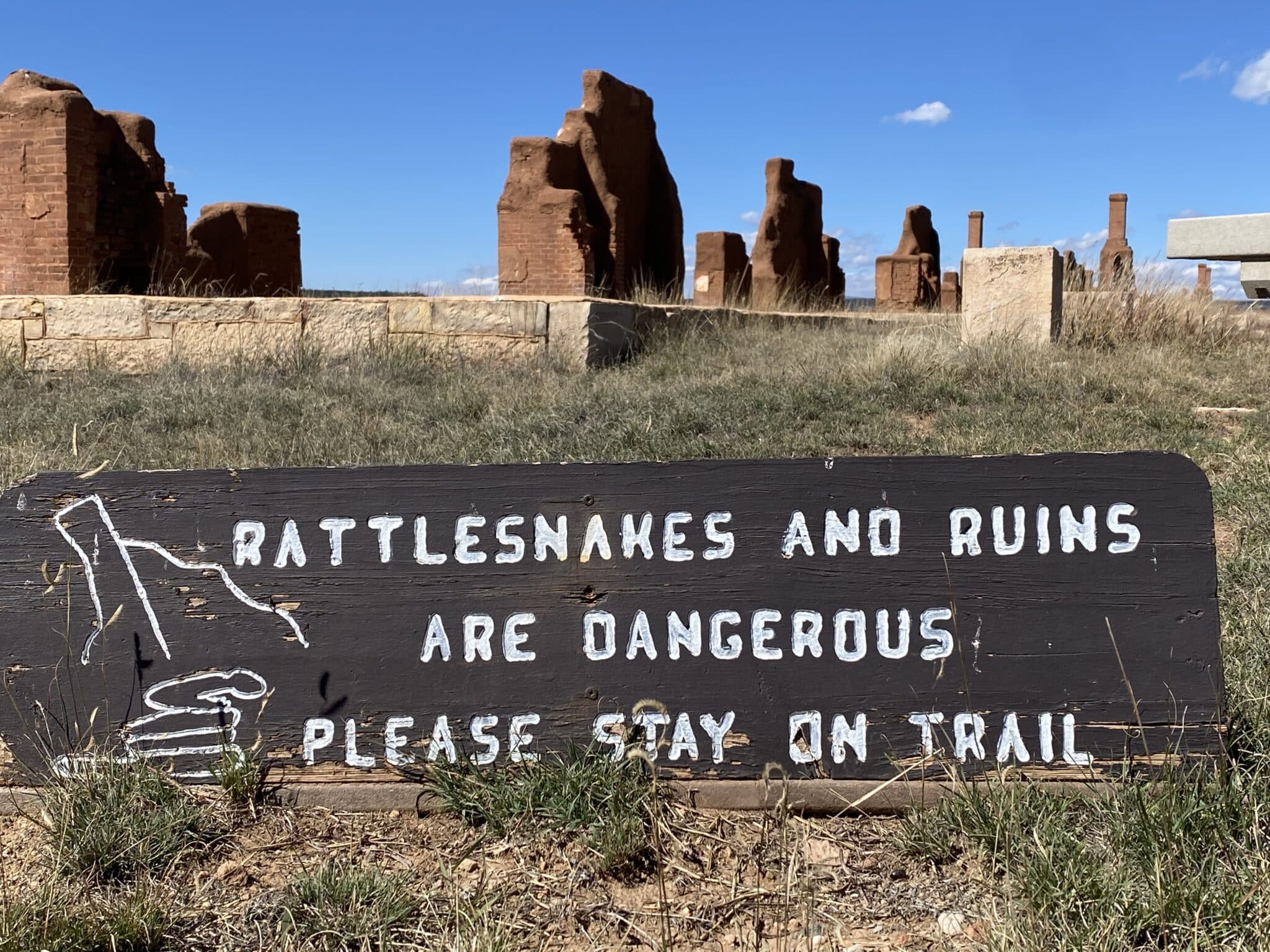
So if you’re heading out into nature (whether or not it’s a battlefield!), take some commonsense precautions. Bring bug spray, water and sunscreen – you don’t want to end up like Sibley’s parched army, having to fight your way out for something to drink.
This is especially true if you’re from out of town and visiting sites at high elevation, or in the desert. The dry air and the altitude will get to you quicker than you expect.
If you might not have cell service, plan ahead accordingly. That’s especially true if you’re used to using your phone for navigation. Familiarize yourself with where you’ll be driving, and consider getting an atlas or printing out a map.
But this isn’t all a cautionary tale! The lack of crowds and development means you’ll have more time to talk to the knowledgeable staff, you won’t be dealing with a strip mall or data center in the middle of the battlefield, and often you’ll have the entire place to yourself.
Remember, there are more Civil War sites than you might think:
The National Park Service, along with state parks and various battlefield trusts, have done a truly remarkable job of preserving hundreds, if not thousands, of Civil War battlefields and related sites.
But the war was fought across a vast expanse of the country, and not every location could possibly be preserved and turned into a park.
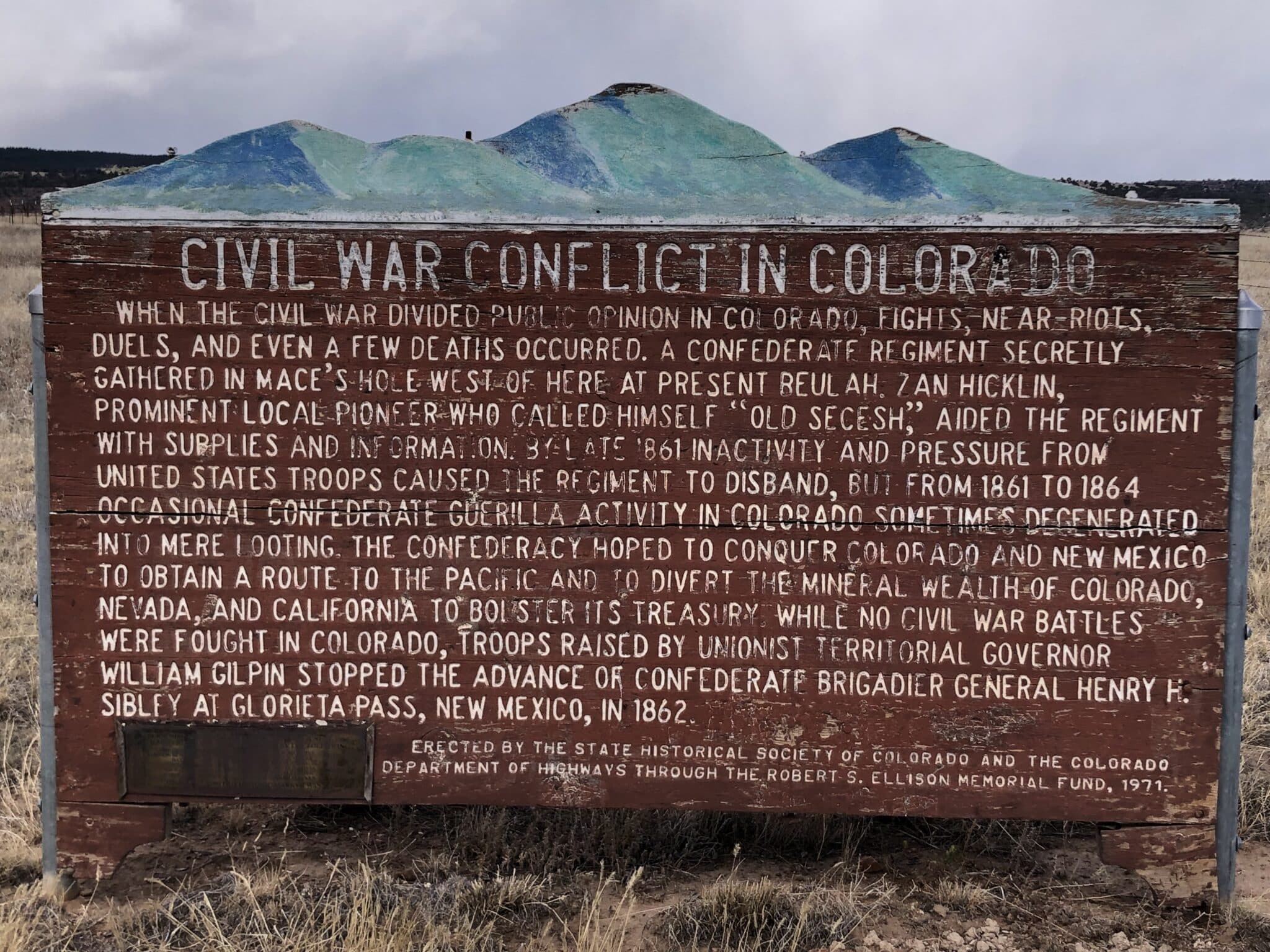
Especially out West, the Civil War is less obviously present on the landscape, in spite of how much the conflict shaped the region. I had lived in Colorado for years before finding Mace’s Hole, the supposed hideout of a nascent regiment of Confederate volunteers. Today, the site is primarily marked by a roadside marker on a back road.
So even if you aren’t next door to the Civil War’s big campaigns, go exploring, you never know what history might be in your own backyard!
Tell us in the comments: What’s your favorite Civil War site that’s off the beaten path?


‘Rattlesnakes and Ruins’ – what a great name for a country album…
Glorieta Pass was an interesting place to visit, and the rattlesnake warnings only enhanced the experience!
It was good to see Apache Canyon and the Glorieta Pass when I went through New Mexico with my kids. I did not get a chance to spend much time there, but the geography was unlike anything out East.