A Generative AI Comparative Assignment about the Civil War Era
 Since I teach college classes, it might be no surprise my input here will focus on AI classroom usage. In the last two years, I have sat in countless meetings, trainings, and discussions about students using generative AI systems in higher education classes. These have both been on my own campus, as well as with people from a host of other academic institutions ranging from faculty to deans to university presidents. Many instructors have been wary of its use by students and I have seen a host of instances of participants in class desperate to implement it into their work. I have also seen many students wary of even trying to use it. Throughout 2026 I have had students in my early US history survey courses complete a Civil War era project comparing their own work with generative AI’s version of that same assignment. Here are some of the anecdotal results.
First some background. For each of my classes we have a serious discussion about generative AI on the first day of class. I ask students who have used it in their lives, for class, and for other activities. I ask what appropriate uses of AI are in their minds and I show them examples of AI writing papers before pointing out its limitations. I even share with students results from a neuroscientific study of brain function of students using AI systems. Finally, I include a use of AI statement in my course syllabus:
“AI tools exist and are becoming more widespread in their use in higher education settings by students. For this course, there are good uses of AI to assist you in the class. Asking AI to help you create a study plan, or to review your outline for an assignment can help you better prepare yourself, and is encouraged. Asking AI to summarize an assigned reading for you, so that you can read the summary before reading the assigned text, can help you better comprehend what you are doing; that is also encouraged. However, AI has limitations and overuse can cross unethical boundaries. Unless the assignment specifically calls for you to do so, it is strictly forbidden to use AI programs such as ChatGPT to complete assignments for you, write essays, or do something akin to completing the primary task of an assignment that you are supposed to be completing yourself. Anyone suspected of unethically using AI in this manner will be required to speak with the professor regarding their work, and anyone using AI for an assignment will be referred to the Academic Honesty policy of this syllabus and result in a grade of ‘F’ for the assignment, and potentially the course.”

Now for the assignment. In my early US history survey course, my students complete 5 different writing assignments where I provide some primary and secondary sources to them and they write a formal essay responding to a given prompt. This lets students see their own writing evolve and lets them learn from past mistakes, all good things for college freshmen to get a grasp of. The fifth assignment brings in some choice and is tied to the Civil War era. That final writing assignment is a little longer and students choose from one of several topics to analyze documents of. There are some of the many Civil War era topics I have used for this assignment:
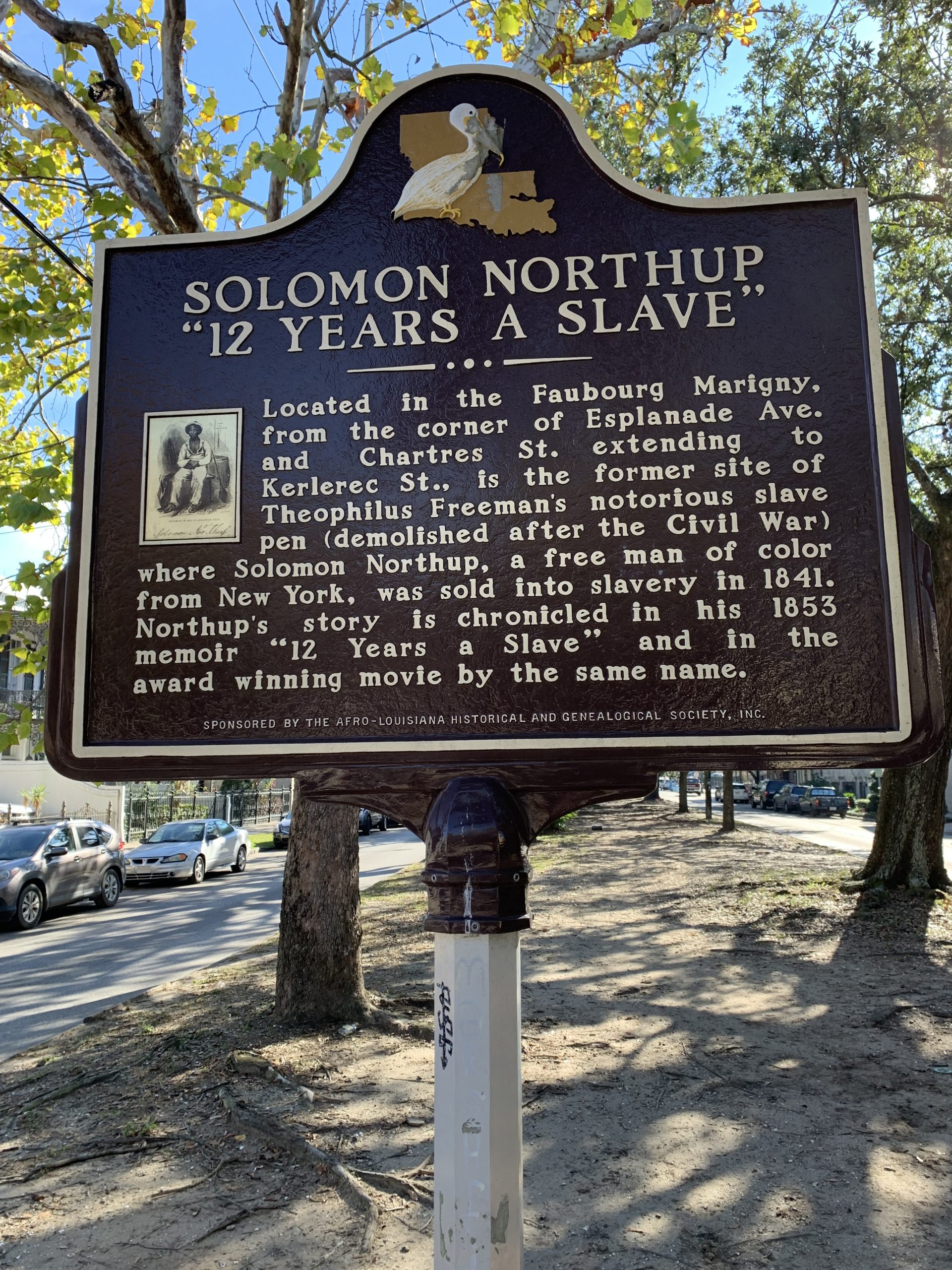
- Reading Solomon Northup’s Twelve Years a Slave to document how Northup characterizes the system of enslavement.
- Exploring readings from women travelling to the Pacific coastline in the 1850s, 1860s and 1870s to understand their motivations, trials, and goals.
- Reading secession ordinances and using them to find evidence of the root cause of secession and the Civil War.
- Reading the letters of Col. Robert G. Shaw to see how his opinions and writings about Black soldiers he commands changes over time.
- Reading letters from Sarah Rosetta Wakeman and exploring her motivations for disguising herself to join the US army and fighting in the Civil War.
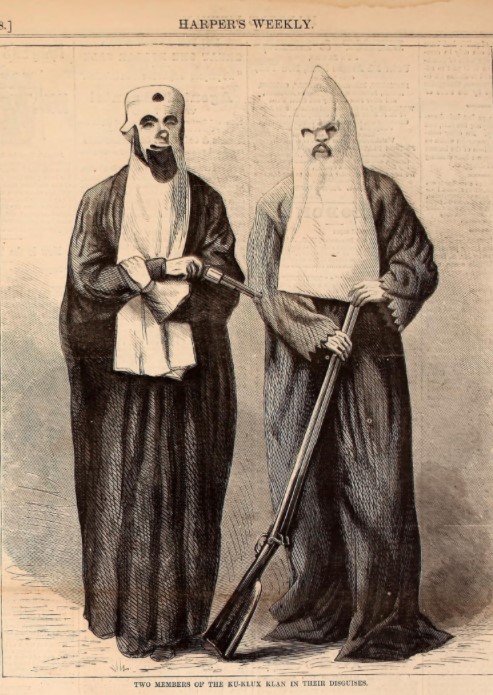
- Reading documents related to the first wave of the Ku Kluz Klan, as well as the Enforcement Acts to understand what actions the US government took to halt KKK activity.
Phase one of the assignment was for students to read the provided resources for their chosen topic, find some more resources on their own, and write an essay answering the provided prompt. Phase two is when I deliberately bring AI into it. For phase two, students need to ask a generative AI program to write a second essay answering the prompt, including adding quotations, citations, and a bibliography. Then students had to create a digital poster (like those used in academic poster sessions) comparing their own work with the AI program’s work.
This has been quite the anecdotal assignment. Students have not been completing surveys about their thoughts on AI, but I did have some guiding questions that they had to address in a reflection that went onto one part of their final digital poster.
Now for some results based on some of what I have seen so far. I have completed this assignment with a handful of course sections in the Spring and Summer 2026 semesters, with more sections completing it later this Fall. To date, 61 students have completed the entire project. Here are some of the bigger takeaways:
- Students used a variety of different AI systems to complete phase two of the assignment including Chat GPT, Copilot, Grok, and Gemini among others. By far the most popular has been Chat GPT.
- Only 35% of students said the AI system wrote a completely satisfactory essay. Most instead indicated there were some serious limitations in what it provided.
- Only half of students said the AI systems provided reliable resources. Half found issues with what resources were used in that citations were incomplete or that the system did not use the best resources available. Some found that their AI system even fabricated resources and tried to pass them off as real, while other saw AI use the same thing multiple times (multiple versions of Northup’s book from different publishers for example), trying to pass them off as different things.
- Less than 10% of the students said the AI satisfactorily cited the quotations it used. The AI did not even cite its quotations in about 30% of the assignments. For the remainder, the AI’s citations existed, but were limited in scope, did not include page numbers, or lacked something else.
- I asked students if, after completing this assignment, whether they would use AI in the future. About 5% said absolutely yes. About 30% said this completely turned them away from all AI use. The remaining 65% admitted that is showed AI could potentially help with outlining or research, but that it needed to be double checked and that if they used AI in the future, it would be in limited ways.
- I did not ask students to elaborate on this, but 60% of students included something about nuance in their reflections. Those included statements that the AI did not use as many detailed examples or only provided a broad overview, and that it lacked something important that their own papers included.
This is just one assignment in one class at one college, but it represents one way that instructors are trying to figure out generative AI, how students understand its strengths and weaknesses, and whether students when know how these systems work. Ignoring AI systems in class seems a disservice considering how many companies are forcing workers to implement its use (I hear about it all the time from many people in different industries).

Again, this was not a formal education study. There were no surveys involved and I am only providing anecdotal insights I saw from reading through everything directly (and I admit that students could just be saying what they think I want to hear). But through this my students got a chance to dive into some primary documents from the Civil War era, had the opportunity to look at some serious wartime themes, and got to learn more about AI systems in a way that lets them learn some real lessons about source interrogation and quality control.
We may not like AI—I personally have some serious issues with it as a concept—but instructors are now caught between implementing AI literacy in their classes. I think with assignments like this, students at least have some exposure to these programs and are given the opportunity to see that there is no complete easy solution and that they need to learn to question AI output and critically think about what is being told to them about the past—the same way I want them to critically think and interrogate what I say in a class anyway.
Will my AI statement and assignment remain the same forever? No. But is this a starting point to better engage students to critically think about historical content and software? Hopefully so.


Well, that’s encouraging-from someone that hates AI.
I think this is an excellent way to prepare students on the benefits and limitations of using AI. I explain in my piece on the subject (scheduled for Friday), and I’m sure others will mention it as well, that LLMs like ChatGPT are generating plausible text — not reliably retrieving and verifying facts. For all the talk about “intelligence,” there’s really nothing intelligent about it. It has no ability to vet information, verify sources, or even discern between different versions of sources (as you mention), unless you specifically instruct it to do so, and even then, it will make mistakes that seem obvious to a human. It has a long, long way to go before we’re able to use it reliably for academic work. But it is improving every year.
Great article! As I was reading it, my mind was forming a question for you, but it was answered further on; that being, as AI is created/ trained/coded – however we want to put it – by humans, how can we trust the sources utilized that AI will inevitably use, quote, etc. Clearly your students answered my question resoundingly – or was it you? Or was it AI? Clearly we are in for a lot of integrity problems with AI, and this reminds me of a statement that Pichai of Google said nearly a decade ago: “Google controls 90% of the information in the world. Soon, there will no more printed books – everything will be digital. And, we will control those books – and we will get rid of any books we do not like.” In other words, a National Socialist book burning will take place. You can always trust Socialists to want to control and suppress information. And, with American and British publishers already reducing the Civil War books they publish by 95%, and not allowing the publication of any books that don’t fit their narrative, it appears American History is going to be in for a rough ride from AI.
Thank you for sharing your experiences in dealing with AI and students. This is food for thought and gave me some inspiration!
Leaving older technologies behind can create pitfalls. SpellCheck might have caught that “secession ordnances” is actually “secession ordinances”, since those documents don’t touch on military supplies. Also, “…find the root cause of the Civil War” is a leading question; there was no one ‘root cause’ of the Civil War, as will be revealed by a close reading of the 11 Ordinances of Secession, and a review of the circumstances under which each was written. And, if a full understanding is the goal, it’s disingenous to leave out any mention of exploring the reasons the Union/Lincoln wanted to ‘save the Union’. I credit your audience with a better than basic understanding of economics. On the subject of AI, I’m a big fan of AI Overview for a useful summary of even complex topics, with related links, but it can be entirely dependent on how the question is asked, and I’ve noticed that some sources are Facebook (insert laugh emoji here). As has been mentioned in other comments here, the integrity of primary source documents has to be protected above all else as the digital age progresses with its inherent benefits and dangers.