Civil War Round Tables Owe a Lot to Those Who Came Before Us
Emerging Civil War welcomes back guest writer David Hamon.
 Those of us Civil War Round Table members believe that our organizations lead the way in preserving Civil War history in our communities. Truthfully, we have benefited from and have been influenced by the storied contributions of public historians as speakers, interpreters, and guides. Together with the evolution of community-based history clubs, often taking the form of local history societies, heritage groups, antiquarian clubs, and historical preservation circles, the appreciation of Civil War history and the contribution of CWRTs have kept the community study of Civil War history alive, vibrant, and fresh.
History clubs are intricately linked to a long history of civic engagement. Far from being passive study groups, these clubs have long served as vehicles for local identity, civic pride, democratic participation, and frequently for community advocacy. The earliest historical societies in the United States, such as the Massachusetts Historical Society (founded in 1791), were created by elites, scholars, and prominent civic leaders. The civic purpose of these early clubs was to archive documents, preserve foundational stories, and cultivate a shared national or regional identity as our young nation grew and expanded. Early members recognized that, as rapid industrialization and migration changed towns, local stories and artifacts risked being lost without the deliberate direct action of community preservation.
In the 1850s, women-led grassroots groups like the Mount Vernon Ladies’ Association pioneered historic site preservation by saving George Washington’s estate, establishing a precedent for citizen-led historical stewardship.
While these early clubs were elitist in nature with limited membership, participation changed during the “Progressive Era.” Memberships “democratized” and history clubs expanded from the exclusive scholar networks into a multitude of popular grassroots organizations open to broader community participation. As cities grew with expanding immigrant populations, local history clubs evolved to nurture a collective sense of place. Many clubs sought to document town and county origins and preserve those histories. Clubs began establishing and operating local museums, hosting public lectures, and observing and commemorating important dates and events in order to make history a shared experience.
The destruction of buildings for so-called “urban renewal” led local history clubs to link civic action with historic preservation. Many preservation foundations across the country owe their creation to concerned members of history clubs who acted in the face of the unacceptable and irresponsible actions of developers. Modern day “urban planning” activity owes its origins to these clubs and their members.
The 1976 Bicentennial celebration created a tremendous boon for history clubs as the commemoration activities sparked a massive wave of grassroots history. Communities nationwide formed local committees—led by history clubs—to write town histories, gather and preserve recorded oral histories, and establish local archives.
Public History, today a noble and respected profession, traces its roots to the practice of historical research, preservation, and interpretation conducted outside traditional academic classrooms designed for public audiences and marked how history evolved from a civic duty into a specialized profession and, ultimately, a collaborative movement. The American Association for State and Local History (AASLH), established in 1940, assisted practitioners to partner with local libraries, universities, and schools to turn local historical research into both public interpretation and community action. With this boost, history was more than the academic: it became a platform to create stories and give voice to local actors who aided and shaped communities’ understanding of local history.
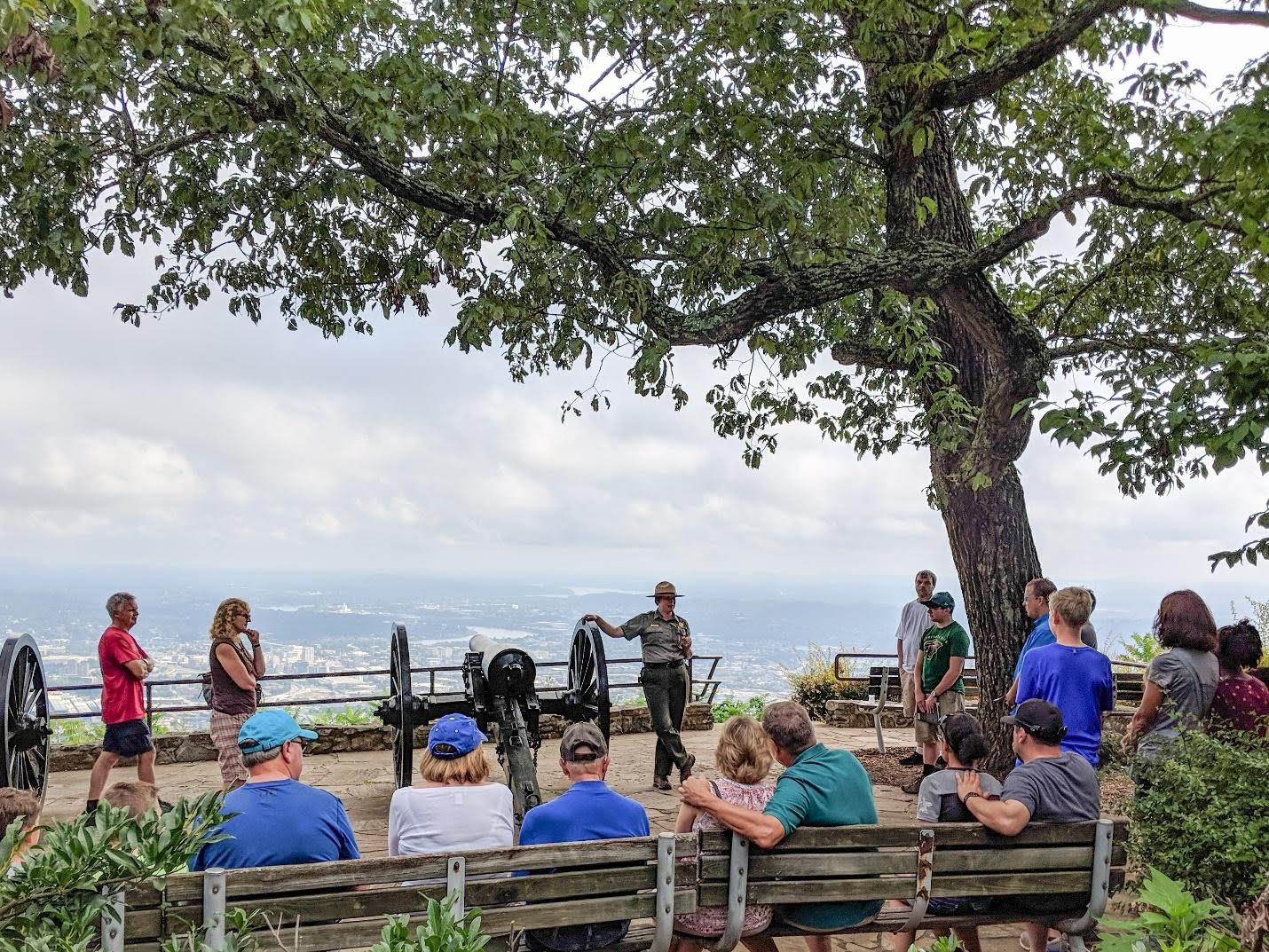
Federal government involvement in public interpretation began with the creation of the U.S. National Park Service (NPS) in 1916. By the 1930s, NPS park rangers and historical guides were interpreting battlefields and natural landmarks directly for visitors. The Great Depression marked the first time the government employed historians on a massive public scale. The Works Progress Administration (WPA) under the New Deal spawned many federal initiatives like the Federal Writers’ Project. This project hired writers, teachers, and researchers to document local history, publish state travel guides, and conduct thousands of recorded interviews with formerly enslaved people (the “Born in the Black/Slave Narratives”).
Established in 1933, the Historic American Buildings Survey (HABS) employed architects and historians to create a national archive of historic architecture through “blueprints,” drawings, and photographs. The legislation for the National Historic Preservation Act (NHPA) of 1966 was created in response to the widespread destruction of historical neighborhoods caused by urban renewal and highway construction. The NHPA established State Historic Preservation Offices (SHPOs) and created the Section 106 review processes. This legal framework created a sudden demand for professional cultural resource managers and preservation specialists.
During the late 1970s, “public history” formally emerged as a recognized professional field and academic discipline. Robert Kelly, a historian and professor at the University of California Santa Barbara, established the first graduate program in Public History explicitly for academic training of historians in order to apply their skills in business, environmental policy, and government.
Public historians continue enriching the history field today with the popularity of “Living Historians.” Living Historians are highly respected and professional public historians. The hyper use of the internet, crowdsourced genealogy, digital archives, mobile walking tour apps, and interactive museum exhibits, have expanded how public historians engage audiences, allowing people to interact with historical sources directly in a genre termed “digital public history.”
Which brings us back to Civil War Round Tables. Round Table leaders owe tribute to those pioneers and civic leaders, studying and preserving American history, who came before us. Taken together as a group, our CWRTs, history clubs of all stripes, and public / living historians, join forces to enliven the study of Civil War History.
David Hamon is Vice President of the CWRT of Fredericksburg and a Director on the Board of the CWRT Congress


I think there should be a mention here of the nation’s FIRST CWRT, the Civil War Round Table of Chicago, founded Dec. 1940.
85 years and still going strong….