Battlefield Reflections: The Summer of ’62 & Bloody Roads North
83 days.
As I compose this reflection, that’s the exact number of days that have elapsed since the start of the new year.
It’s a winter worthy of the name for those of us living near the Great Lakes and along the Eastern Seaboard. Notwithstanding the frigid weather, the past 83 days feel like the blink of an eye. Experiences may vary, but few will dispute the premise: time tends to dissolve into an indistinct rhythm of work, family life, errands and daily tasks, punctuated by only a few memorable moments.
In the summer of 1862, 83 days in Virginia and Maryland transformed untested volunteers into battle-hardened veterans.
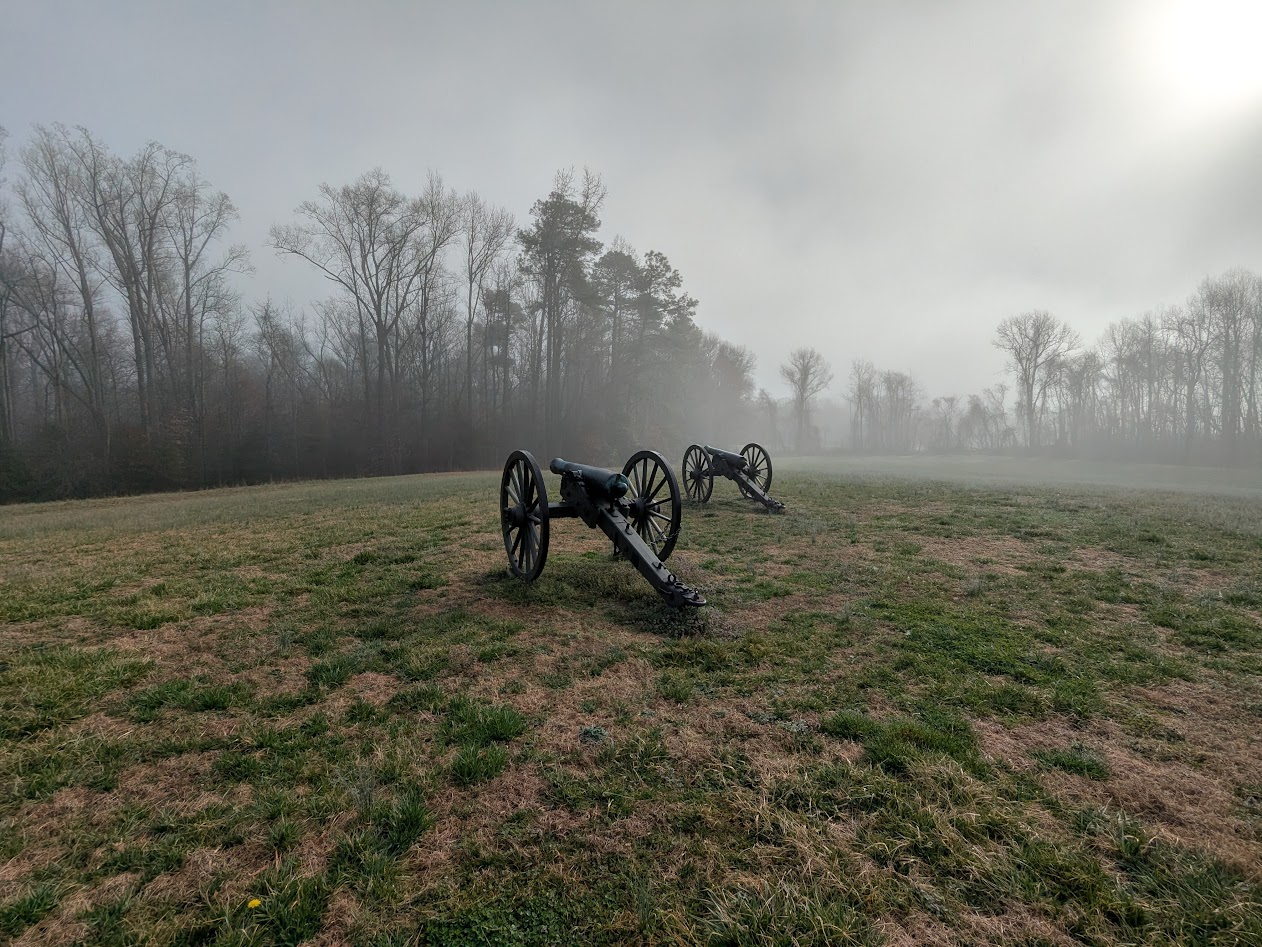
That span of time inspired a recent four-day escape from the Canadian winter across the battlefields of Virginia. Some were first visits; others were returns informed by sharper perspectives or new questions. What bound them together was a desire to follow, however imperfectly, in the footsteps of the men that endured this harrowing transformation, to reflect on the nature of time and on how it affected those who lived through it.
In a recent episode of the Emerging Civil War podcast, guest and ECW alumnus Sarah Kay Bierle cautioned against the tendency to “silo” our study of battles and campaigns and lose sight of the rhythm of time. It’s an easy and seductive trap. Books, articles and podcasts lend themselves to snapshots in time. In our field particularly, a lifetime can be spent parsing the minutes and moments of a single day. That depth does add richness to our understanding of the events and the effects on those who participated.
But it is not how they experienced their lives.
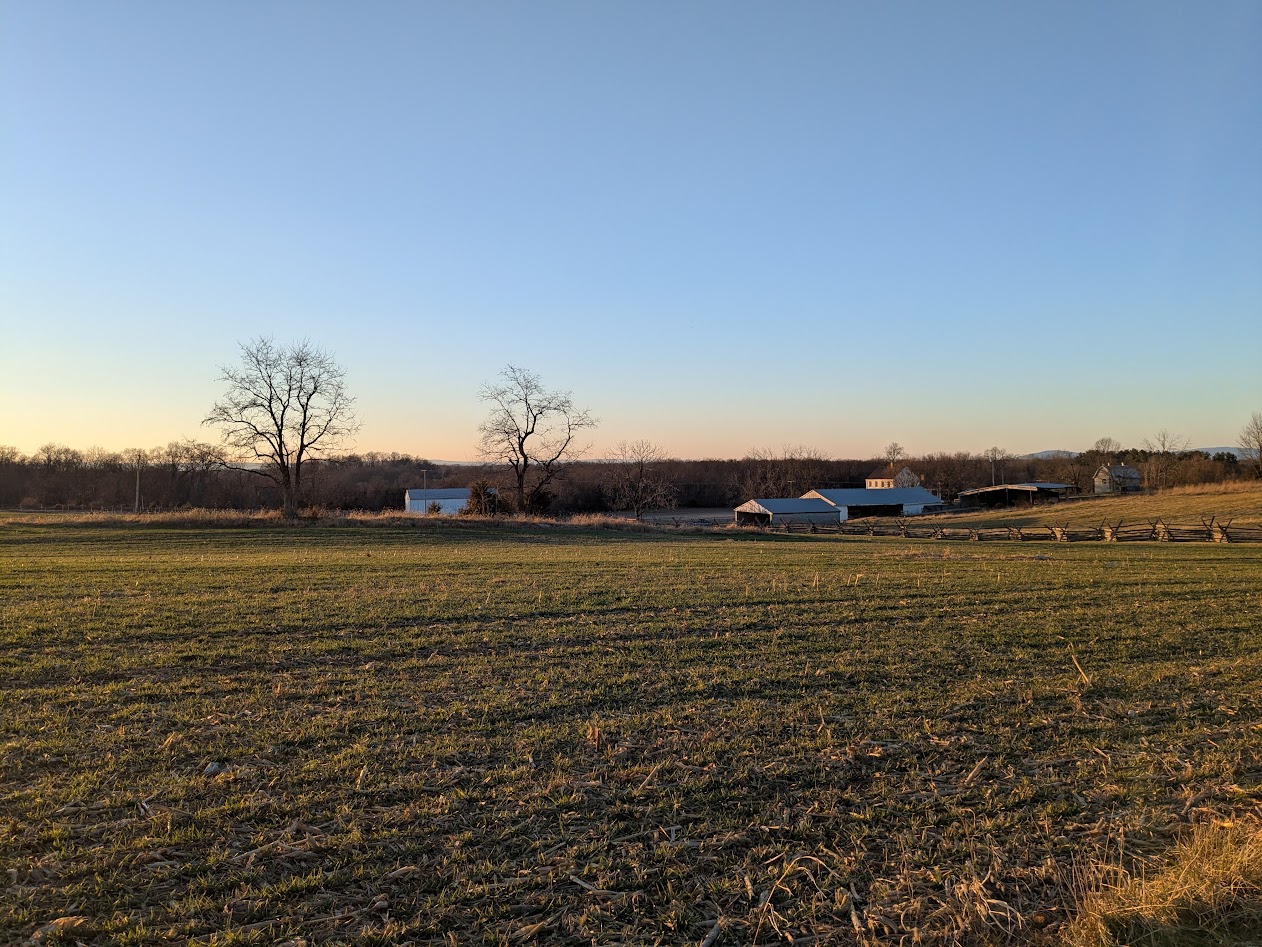
Ahead of contemplating this recent trip, I stood in the meadow south of Antietam’s Cornfield on a cold, clear December morning and considered the path that brought the exhausted armies to their deadly struggle in the Maryland countryside. The terrifying confusion of Gaines’s Mill. The killing fields of Malvern Hill. The woods of Cedar Mountain. The grinding fury of Second Manassas. The slopes of South Mountain until, finally, reaching the blood-soaked fields and forests along Antietam Creek.
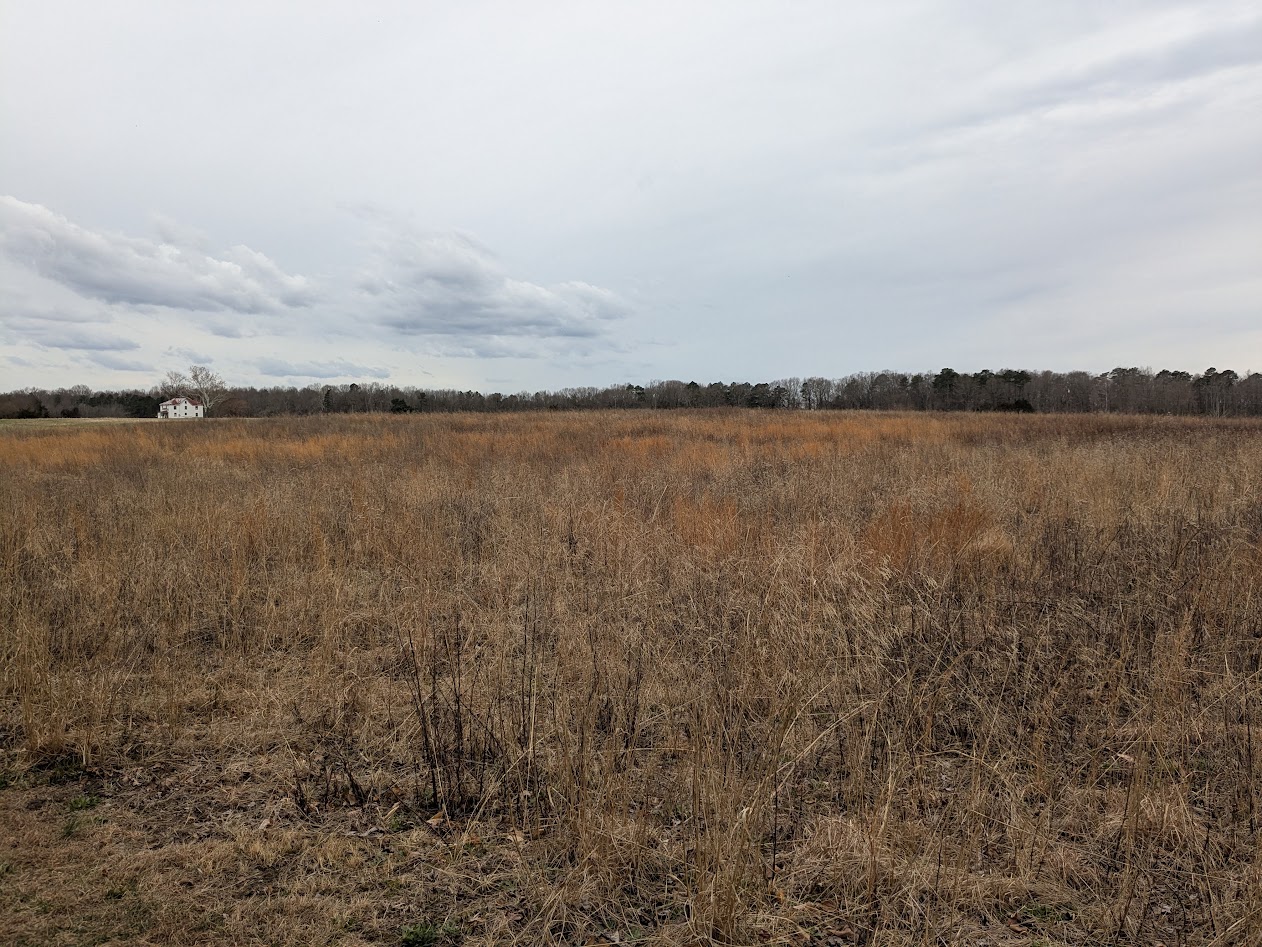
Eighty-three days that transformed the lives of hundreds of thousands and redefined the American Civil War.
Nearly forty years ago, Noah Andre Trudeau titled his study of the Overland Campaign Bloody Roads South. It is a well-chosen allusion to the 40 days of relentless combat from the Rapidan to the outskirts of Richmond in 1864.
Those 83 days – from the suffocating heat of Beaver Dam Creek to the September dusk at Antietam – deserve a similar name: Bloody Roads North.
We have grown accustomed to considering the Overland Campaign as a single, continuous movement – an unbroken symphony of violence. By contrast, the battles of the summer of 1862 are too often treated as disconnected episodes rather than parts of a sustained, unrelenting struggle. For many of the combatants, there was little respite from the physical and psychological strain of constant campaigning.
Numbers are illuminating. In the Overland Campaign, Robert E. Lee’s Army of Northern Virginia suffered roughly 32,000 casualties, losses it could not replace and from which it never fully recovered its offensive power. The losses across Lee’s bloody 1862 offensives were even more stark: upwards of 45,000 losses of all types. This immense toll in life and limb reflected both strategic urgency and a willingness, born of necessity and inexperienced confidence alike, to desperatly gamble lives for decisive results before an elusive window for victory closed.
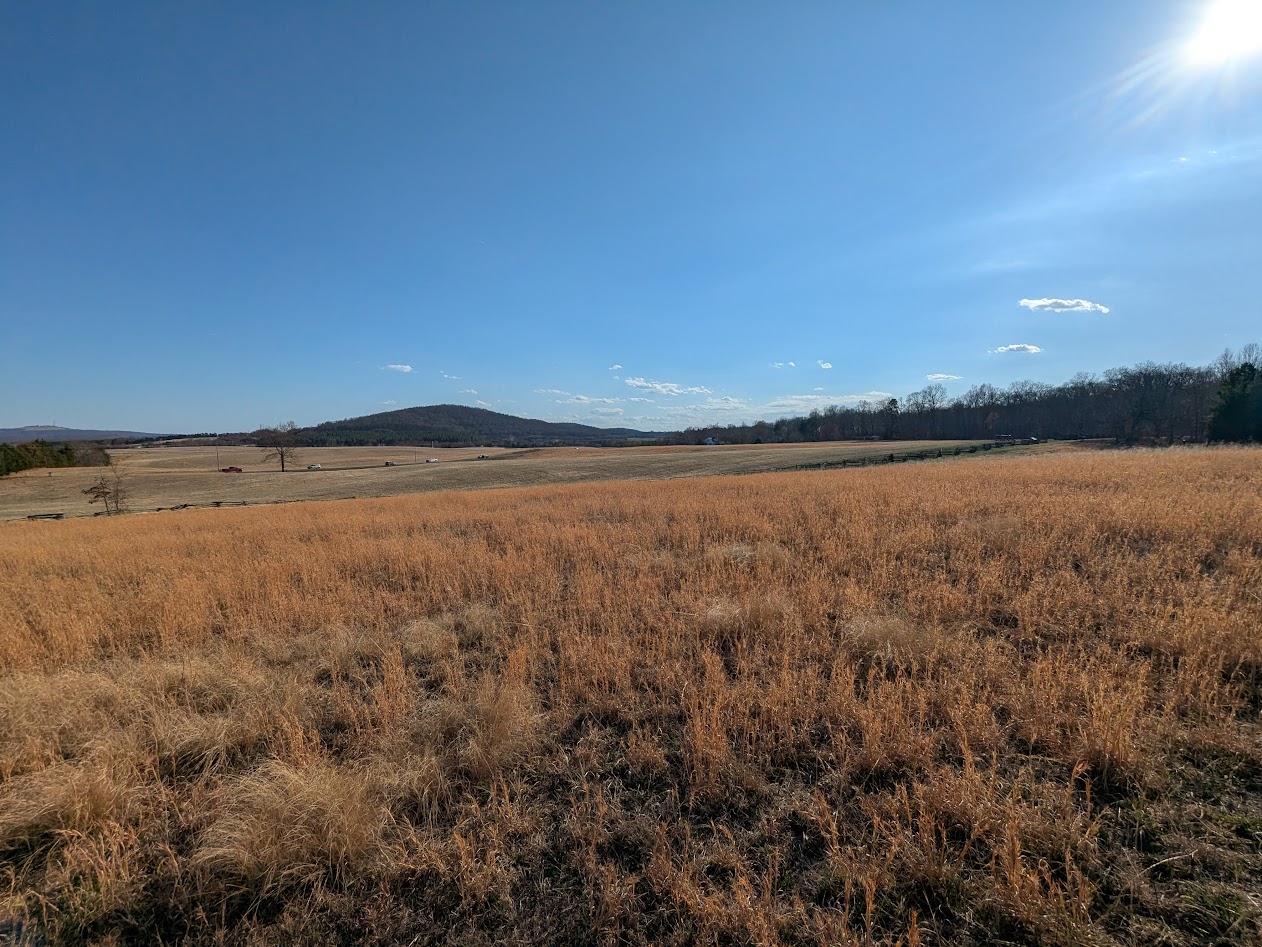
For many in both armies, the devastation at Antietam was simply the exclamation mark on that devastating summer. The anecdotes, both personal and statistical, are too numerous to detail. Some examples offer insight.
The six regiments of Brig. Gen. Alexander Lawton’s untested Georgia brigade numbered 4,000 strong – less many stragglers – in their violent, punch-drunk debut against the Federal defenders at Gaines’s Mill.[1] 82 days and several devastating fights later, scarcely more than 1,000 battle-hardened veterans remained to meet the Federal attack at dawn in the Cornfield. Only half that number remained on their feet after fighting to near-annihilation that morning.[2]
During the fighting at Gaines’s Mill, one Confederate officer watched as a green regiment – presumed to be the 30th North Carolina – was cajoled and coaxed towards their turn in the bloody maelstrom of that June afternoon. “I could not help but feel sorry for them,” he remembered, “many of them were very young and shed tears.”[3] By mid-September, the survivors were the grizzled veterans of our popular imagination – all of 12 weeks older. Perhaps a quarter of their number still stood in the ranks before a third of the dwindling survivors fell in Antietam’s Bloody Lane. It is a pattern repeated ad nauseum throughout the Army of Northern Virginia over the course of the summer.
Although spread across more units, the Federal experience was no less stark and eerily similar in the total accounting. As a singular example, the Pennsylvania Reserves division carried approximately 7,000 men at their baptism of fire at Beaver Dam Creek.[4] Over the ensuing week, the division suffered a staggering 3,000 battle casualties.[5] The bloodletting continued unabated in the two months that followed: over 600 more at Second Manassas and nearly 400 at South Mountain. Fewer than 3,000 men held the line at the northern end of the Cornfield on September 17th, of which another 573 – fully 20% of their remaining number – were killed, wounded or missing by day’s end.[6]
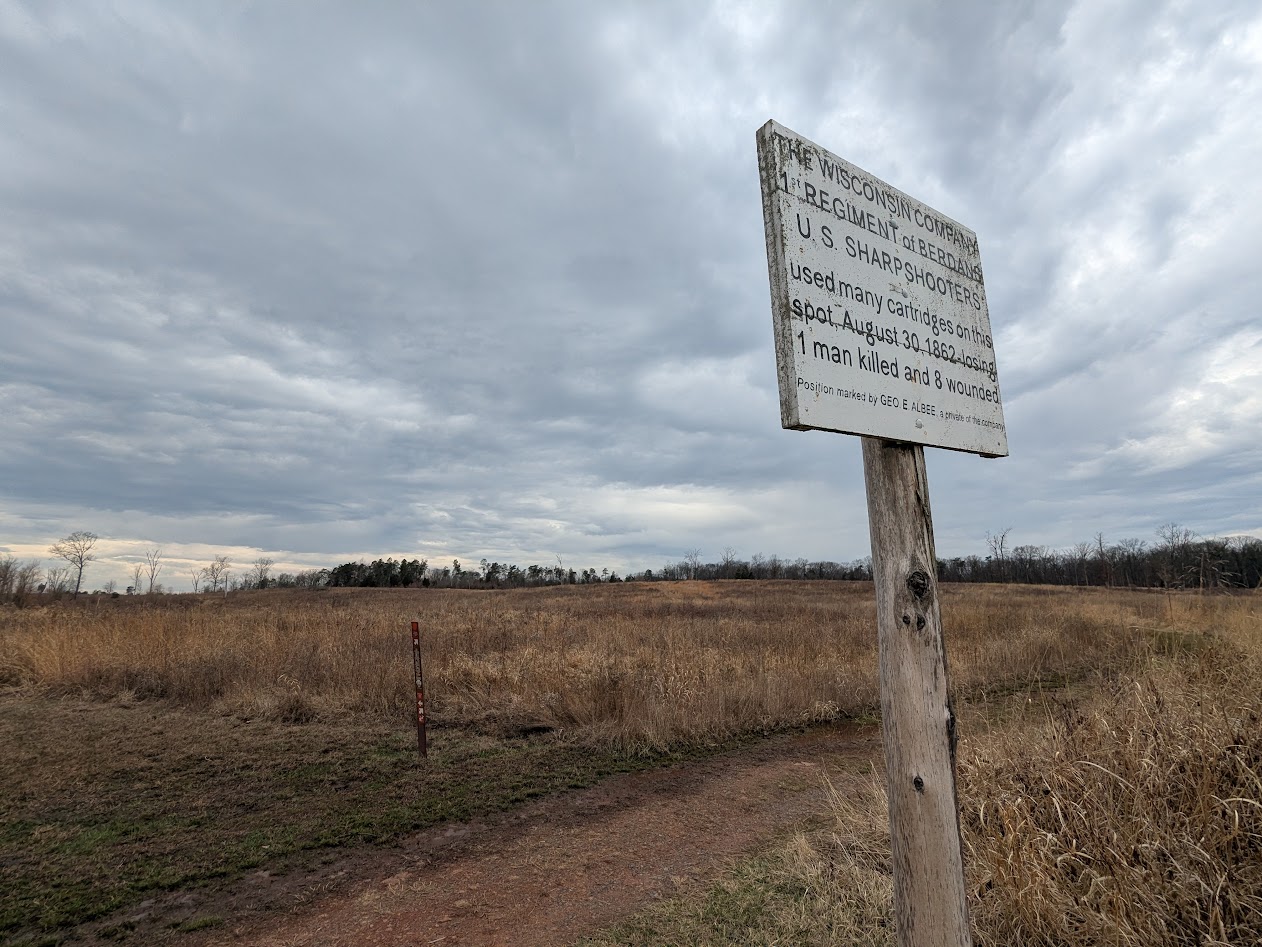
83 days. More than 87,000 men killed, wounded, captured or missing on both sides. Families, kin, mess mates and towns devastated by a previously unimaginable loss. As we know, it was only the war’s second act.
Standing alone, whether on the gentle slope of Malvern Hill or along the fences of the Hagerstown Pike, I find the scale and speed difficult to comprehend. Did the moments of that summer feel endless, as it seems to us in retrospect? Or were they stunned by how swiftly it passed, how quickly everything – everyone – was changed?
After all, it happened in only 83 days.
Endnotes
[1] Robert E. L. Krick. The Battle of Gaines’s Mill: Volume 2, Race Against the Setting Sun. (Princeton, NJ: Knox Press on behalf of the American Battlefield Trust, 2025), 509.
[2] The War of the Rebellion: The Official Records of the Union and Confederate Armies, Series 1, Vol. 19, Part 1, 968.
[3] Henri J. Mugler Diary, cited in Robert E. L. Krick. The Battle of Gaines’s Mill: Volume 1, To the Banks of the Chickahominy. (Princeton, NJ: Knox Press on behalf of the American Battlefield Trust, 2024), 244.
[4] George A. McCall. “The Seven Days’ Contests, Pennsylvania Reserves, General McCall’s Report and Accompanying Documents.” (New York: Office of the Rebellion Record, 1864), 665.
[5] OR, Series 1, Vol. 11, Part 2, 32.
[6] D. Scott Hartwig. I Dread the Thought of the Place: The Battle of Antietam and the End of the Maryland Campaign. (Baltimore, MD: Johns Hopkins University Press, 2023), 819.


