Celebrating the “Glorious Fourth” in Civil War Tucson
Armies have always brought their cultural traditions on the march with them. Holidays can offer a sense of normalcy amid the bloodshed and horror of war – and for your typical soldier, they’re a break from the dull routine of drills or garrison life.
This was especially true for the troops of the California Column who had been left behind to occupy Tucson, Arizona. Like so many eager volunteers in 1861 and 1862, they signed up expecting some quick glory and adventure while swiftly defeating the Confederacy — particularly Brig. Gen Henry Hopkins Sibley’s invasion of the Southwest.
Instead, they had been largely relegated to a bit of peacekeeping in southern California, a couple of small skirmishes, and a nearly 1,000-mile march across the desert. By July, the vanguard of the column was in New Mexico and racing to cut off Sibley’s retreat into Texas, while other Union forces in the region marked the occasion with celebrations in Santa Fe. For the men of the California Column who had been left behind to guard Union supply lines back to California, Tucson’s boredom and heat must have felt as interminable as the seemingly endless desert that surrounded them.
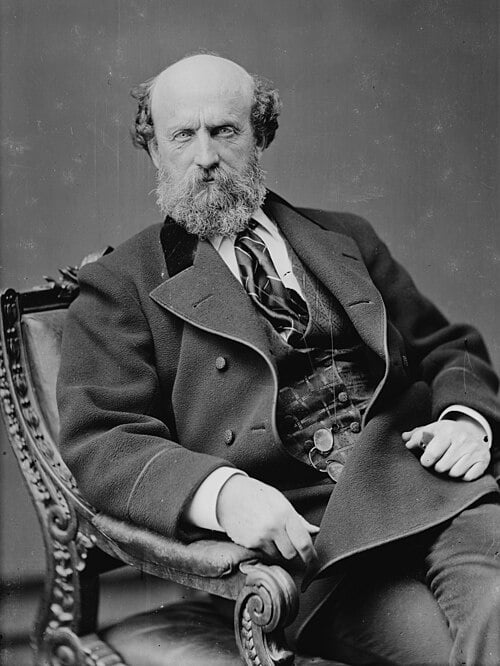
Thanks to volunteer soldier correspondents with the San Francisco Daily Alta California – and the excellent work of historian Andrew Masich in unearthing their story[1] – we have both a soldier’s firsthand account of the festivities, and an officer’s somewhat more philosophical thoughts on the day’s meaning. On this 250th birthday of our nation, many of us will also balance enjoying the day off while reflecting on its significance; it’s interesting to see how soldiers in 1862 also balanced those two ideas:
Fourth of July in Tucson
The “glorious Fourth” was celebrated in this place yesterday by the California column, and the people generally, with a good deal of warmth (no play upon the weather is intended; although the thermometer was rising 108 in the shade.) Captain Shinn’s battery fired a Federal salute at sunrise, and a National salute at meridian. The usual drills, etc. were dispensed with, and the soldiers enjoyed a holiday, and I am proud to add, that despite the latitude allowed them by the relaxation of military discipline, the best order and regularity prevailed. In the evening there were two bailes or dances, one for the officers and another for the men. As I did not visit either, I can give no account of them further than there were an unusual number of headaches on the day following. At dress parade on the evening of the 3d, the following order of Colonel West’s was read:
Headquarters, Tucson, Arizona
July 3, 1862
Order No. 14The epoch which marks the disenthralment of our Nation, and held forth assurance of personal, civil, religious and political liberty, is one of the most noteworthy in the history of mankind.
The inestimable blessings confirmed to the American people on the 4th of July, 1776, in the magna carta of their independence, have been the unfailing source of terror to tyrants, and of hope and promise to the down-trodden of all lands.
The sacred fires of patriotism which glowed in the hearts of our fathers, should burn now as brightly in our hearts, and the column from California is here to-day to testify by their support to the Government which was established at such cost, their appreciation of those blessings and their determination to resist all efforts to dissolve the Union.
Deeply impressed with the sanctity and righteousness of the cause which we maintain, and desirous of appropriately commemoration the anniversary of the day of its…[original text unreadable] exercises of the morning be omitted, and that only such work as is absolutely necessary at this post be done during the day.
II. The commander of Light Co. A, 3d Artillery, will fire a federal salute at sunrise an d national salute at meridian.
By order of Lieut Col. West.[2]
If you’re interested in learning more about the Civil War in the Southwest, including the California Column, check out Emerging Civil War’s Desert Empire: The 1862 New Mexico Campaign. For a full-length account devoted to the California Column, I haven’t found a better work than Masich, cited below.
[1] Masich, Andrew. The Civil War in Arizona: The Story of the California Volunteers, 1861-1865. University of Oklahoma Press, 2006, 220.
[2] “Fourth of July in Tucson,” San Francisco Daily Alta California, July 23, 1862, accessed via the California Daily Newspaper Collection.


Thanks, Pat. Interesting post. Hope you had a great 4th.