Interservice Transfers: Edward A. Selden’s Quest for Redemption
I came across Edward Selden while researching my new book Ironclad Ambush: Confederates Strike Lincoln’s Mississippi River Blockade at the Head of Passes, October 12, 1861. Though most transfers between service branches in the Civil War were generally soldiers being shifted to navies, there were occasionally sailors who sought to join ground forces. One such case was that of Edward A. Selden, who attempted to use service in the Federal army to erase stains from his naval record. The move ultimately cost Selden his life.
A career naval officer, Edward A. Selden’s antebellum service was lackluster to say the least. Appointed a midshipman in 1841, Selden spent the next fourteen years without a single promotion. When the Navy Department began retiring senior officers in attempts to institute reforms and allow junior sailors faster promotions, they also cut underperforming junior officers. Selden was among those whose name was stricken from the 1855 register.[1]
Amid the secession crisis, Selden petitioned for and received reinstatement into the navy – with a lieutenant’s commission to boot. He joined the crew of the screw-propelled steam frigate Colorado, bound for the Gulf Blockading Squadron. For several months, his service remained unspectacular and largely unnoted by others. However, Selden’s big chance to prove himself came on October 8 when he was temporarily reassigned from Colorado to command the sailing-sloop John N. Genin. When Selden boarded Genin, it was aground on the mud on the Mississippi River’s Southwest Pass. Packed in the sloop’s hold was much of the squadron’s supplies, as well as several heavy Dahlgren guns marked for delivery to USS Richmond, then up the river at the Head of Passes. Selden brought 25 sailors with him in efforts to help free Genin and get it upriver.
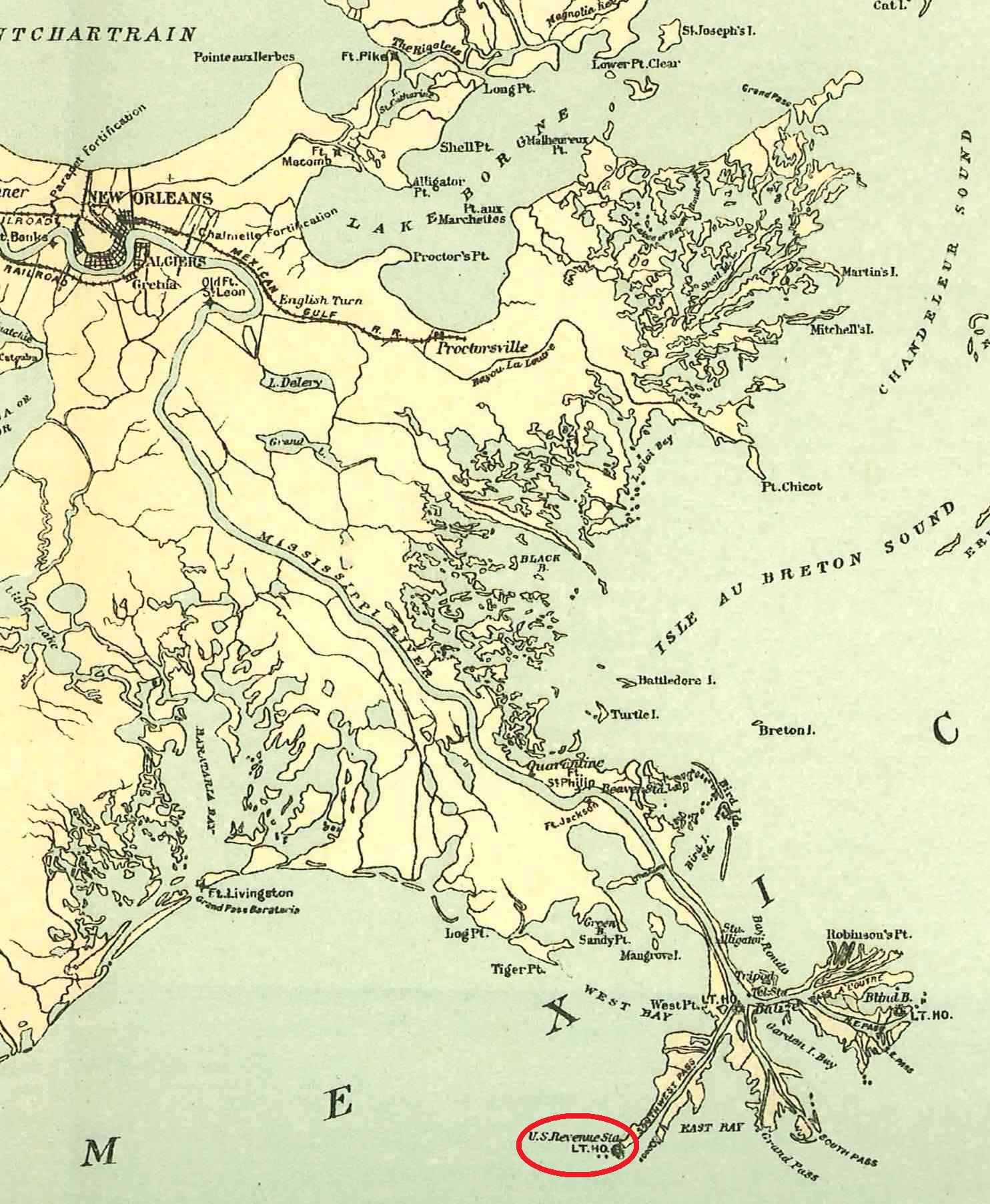
John N. Genin was soon after refloated, but likely not because of Selden’s leadership. Acting Master James Taylor, whom Selden replaced as the sloop’s skipper, believed “Lieutenant Selden and one or more of the men under his charge were intoxicated when they first arrived on board the schooner.”[2] When Richmond’s executive officer boarded Genin to inquire about the delivery of his guns, he could not find Selden on deck. “Where was Lieut Selden?” the officer inquired. Taylor “rather evaded the question” but soon admitted Selden “drank too much.” “Shortly after the exchange, “Lieut Selden appeared on deck; it was evident … that he had been drinking.”[3]
After Genin was freed from the mud, it anchored near Southwest Pass, only to see another supply vessel, Nightingale, run aground at the same location. They remained in the same locations, with Selden’s men working in vain to assist in freeing Nightingale, when Confederates launched a surprise attack in the Head of Passes on October 12, 1861. As senior officer of the supply vessels outside Southwest Pass, Selden took direct charge of them all.
Federal naval forces quickly retreated from the Head of Passes down Southwest Pass to where Selden and his ships were. Confederate vessels gave chase. Amid the Federal retreat, USS Preble crossed the Southwest Pass channel bar and made it safely into the Gulf; the warships Richmond and Vincennes were not so lucky and ran aground in their attempts. Seeing Preble free and clear, Selden boarded a boat that took him to confer with Preble’s skipper, Cmdr. Henry French. The two agreed that for the safety of the supply ships outside Southwest Pass, they should all weigh anchor and withdraw to open sea. Captain John Pope, senior officer present on the scene, agreed and hoisted signal flags from his grounded Richmond ordering all the ships outside the pass to get underway to safety.[4]
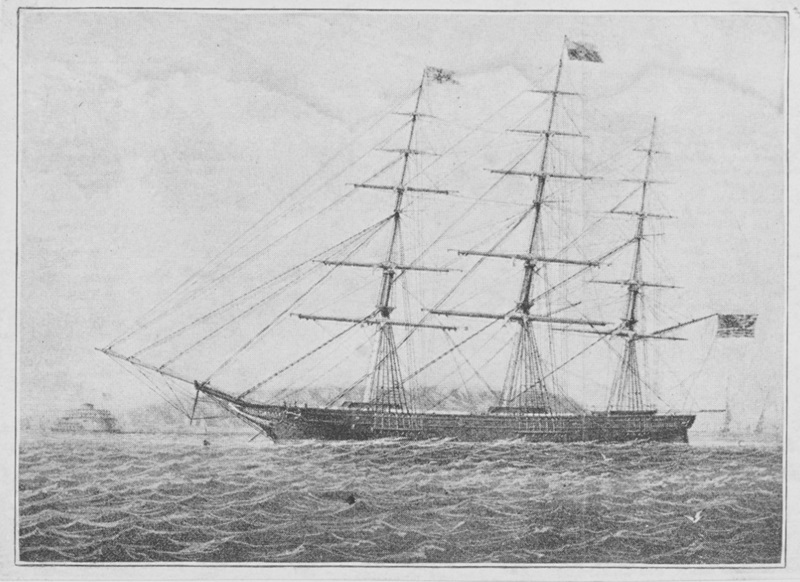
Nightingale could not obey the order, as it was still aground, and Selden boarded the ship and ordered its captain, Act. Master David Horne, to be prepared “to set fire to and abandon her.”[5] Selden then reboarded John N. Genin, leaving Horne to scuttle his ship, and began sailing away from the scene. Horne refused to abandon and destroy his vessel, ignoring Selden’s directives.
After Confederates withdrew up the Mississippi later that October 12, Selden took Genin back to Southwest Pass and renewed efforts to refloat Nightingale. Still senior officer of the ships outside the Southwest Pass channel bar, Selden concluded that the only way to lighten Nightingale enough to refloat if off the river’s mud was to toss its supplies overboard. Federal sailors spent the rest of the day tossing the entire Federal flotilla’s reserve supply of coal overboard, along with 150 boxes of tin and 5,500 lead pipes.[6] It was not enough, and Nightingale remained aground.
The next day, October 13, the Confederate gunboat Ivy showed itself and opened fire on the Federal ships from extreme range. The fire was quite inaccurate, but scared Selden, who once again boarded Nightingale and ordered it “to be burned” before himself taking John N. Genin underway to safety.[7]
From USS Richmond’s deck, Captain John Pope saw everything and ordered an officer to investigate what was happening with Nightingale and John N. Genin. Boarding the grounded Nightingale, Lt. Andrew Cummings asked what was going on. Nightingale’s skipper replied that they had orders to abandon and scuttle their ship, but insisted “the men would never have left the ship without orders from Lt Selden.”[8]
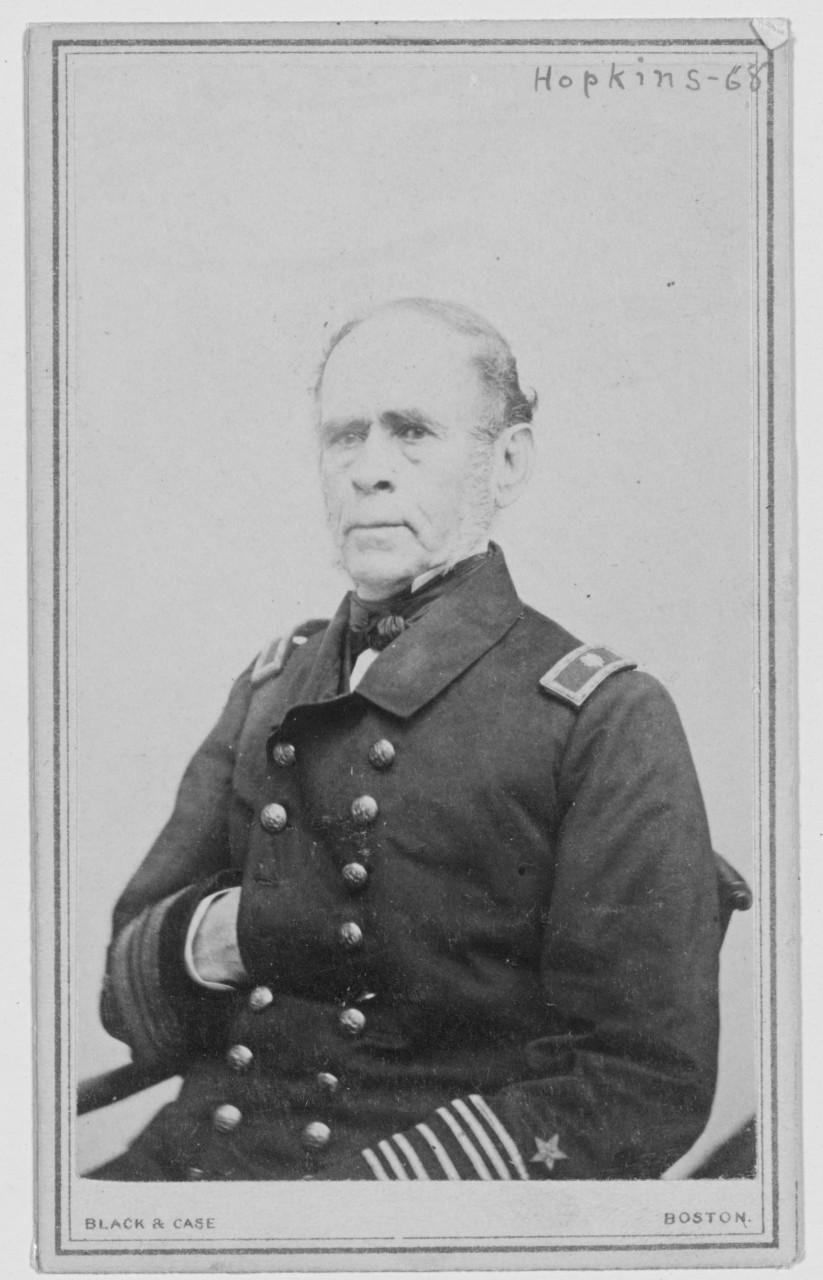
The constant efforts by Selden to destroy the grounded Nightingale and depart the scene of combat proved too much for Pope to handle. Selden was relieved of command of Genin and ordered to report back to USS Colorado, then near Fort Pickens, at Pensacola, Florida. When he reached Pickens, Gulf Squadron Commander William W. McKean held further investigations that concluded Selden “is unfit for the responsibilities which may devolve upon him.”[9] Arriving north in disgrace, Selden was, for a second time, summarily dismissed from the naval service on November 7, 1861.[10]
Returning to his home in Bennington, Vermont, Edward Selden felt his personal honor tinged with the embarrassment of charges of drunkenness and dismissal. Seeking to make things right, in March 1862 he enlisted as a private in the 2nd Vermont Infantry. Selden participated in the Seven Days battles with the 2nd Vermont, with no major notes made regarding his conduct. As his regiment was shifted north to help counter advances by the Army of Northern Virginia, Selden remained on the peninsula. He developed a bad case of dysentery and was admitted to a military hospital at Harrison’s Landing. There, on August 4, 1862, Edward Selden passed away.[11] Interestingly, his body was brought north and buried in Bennington, his hometown.

The army likely never knew Selden was a disgraced sailor. According to one account, Selden was seen as “a splendid soldier.”[12] It is also likely that the navy never knew Selden enlisted in a Vermont regiment. A report to Congress listing of all officers who left the naval service between 1860 and 1863 includes Selden, simply noting he was dismissed “for misconduct; whereabouts unknown.”[13] At the time the only man with the entire picture of Edward A. Selden’s uniformed service was likely Selden himself, a man stained by disgrace afloat who sought redemption ashore at the cost of his life.
Endnotes:
[1] Register of the Commissioned and Warrant Officers of the Navy of the United States Including Officers of the Marine Corps and Others, for the Year 1855 (Washington, 1855), 60-61.
[2] Taylor to Bailey, October 29, 1861, Official Records of the Union and Confederate Navies in the War of the Rebellion, Ser 1, Vol 16, 719.
[3] Pope to McKean, October 17, 1861, Gulf Squadron, Letters Received by the Secretary of the Navy from Commanding Officers of Squadrons, M89, RG 45, US National Archives. (hereafter Gulf Squadron Letters)
[4] Oct. 12, 1861, USS Nightingale Logbook, Logbooks of US Naval Ships, 1801-1940, Record Group 24: Records of the Bureau of Naval Personnel, 1798 – 2007. US National Archives.
[5] Taylor to Bailey, October 29, 1861, ORN, Ser 1, Vol 16, 719.
[6] Oct. 12, 1861, USS Nightingale Logbook.
[7] Taylor to Bailey, October 29, 1861, ORN, Ser 1, Vol 16, 719.
[8] October 13, 1861, USS Nightingale Logbook.
[9] McKean to Welles, November 2, 1861, Gulf Squadron Letters.
[10] Register of the Commissioned, Warrant, and Volunteer Officers of the Navy of the United States Including Officers of the Marine Corps and Others, to January 1, 1863, 113.
[11] Edward A. Selden, 2nd Vermont Infantry, Carded Records Showing Military Service of Soldiers Who Fought in Volunteer Organizations During the American Civil War, compiled 1890 – 1912, documenting the period 1861–1866, National Archived ID 300398, M557, RG 94, U.S. National Archives.
[12] Bill Morgan, “On the Civil War’s Homefront: Bennington in the Civil War,” Walloomsack Review, Vol. 11, Summer 2013, 16.
[13] Gideon Welles. “Report of the Secretary of the Navy Transmitting In answer to a resolution of the Senate of the 21st of Dec., 1863, a list of officers of the navy and of the marine corps, who between the first day of Dec., 1860, and the first day of Dec. 1863, left the service, with the grade and rank of each.” Index to the Senate Executive Documents for the First Session of the Thirty-Eighth Congress of the United States of America. 1863-’64, (Washington, 1864), 3.


