John S. Wise and Hampton Newsome on William Mahone
“Billy Mahone’s is as strange a rise to fame as the Army witnesses…Men do not always like him or take him at his own estimate, but they have to admit that he knows how to fight.” – Douglas Southall Freeman
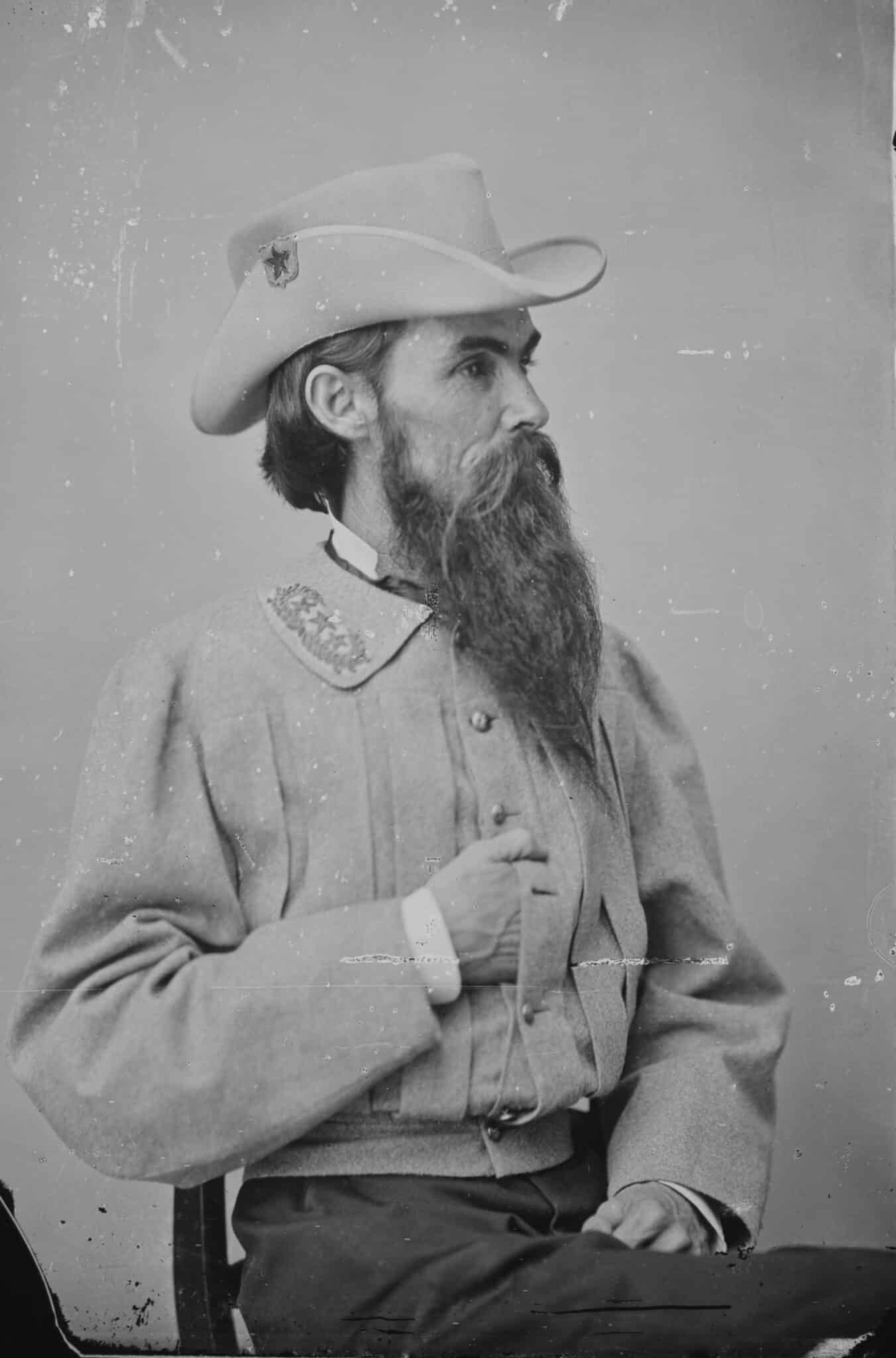
Few officers were as unusual as William Mahone. He had long, narrow feet requiring special shoes. He kept a cow and chickens in camp because he needed milk and eggs for his dyspepsia. Mahone was by turns praised and damned as a soldier and politician. While the Virginians in his division loved him, the other brigades did not, thinking he praised his beloved brigade from the Old Dominion as they were the future voters who mattered most.
Descriptions of him can be wild enough, and so here I am providing two that struck me when I read them in writing Unparalleled Horror. The first comes from John S. Wise’s The End of Era:
“He was the sauciest-looking little manikin imaginable; he rode a diminutive blood-like bay mare, fat, sleek, and well- groomed, as if no war were going on; she was quick and nervous, and tossed her head, and champed at her bit, and sidled about like a real live horse, instead of being poor, jaded, and half asleep, as were many others; her trappings, too, were expensive, new, and stylish. The little general looked like a perfect tin soldier. He threw his reins to the orderly and dismounted. His person and attire were simply unique: he was not over five feet seven inches tall, and was as attenuated as an Italian greyhound; his head was finely shaped; his eye, deep-set beneath a heavy brow, was very bright and restless; his hair was worn long; his nose was straight, prominent, and aggressive; his face was covered with a drooping mustache and full beard of rich chestnut color and exceeding fine texture; he wore a large sombrero hat, without plume, cocked on one side, and decorated with a division badge; he had a hunting-shirt of gray, with rolling collar, plaited about the waist, and tucked into his trousers, which were also plaited about the waistband, swelled at the hips, and tapering to the ankle; while he wore boots, his trousers covered them; those boots were as small as a woman’s, and exquisitely made; his linen was of the very finest and softest, – nobody could guess how he procured it; and when he ungloved one little hand, it was almost as diminutive and frail as the foot of a song bird; he had no sword, but wore a sword-belt with the straps linked together, and in his hand he carried a slender wand of a stick. Altogether, he was the oddest and daintiest little specimen of humanity I had ever seen. His voice was almost a falsetto tenor.”
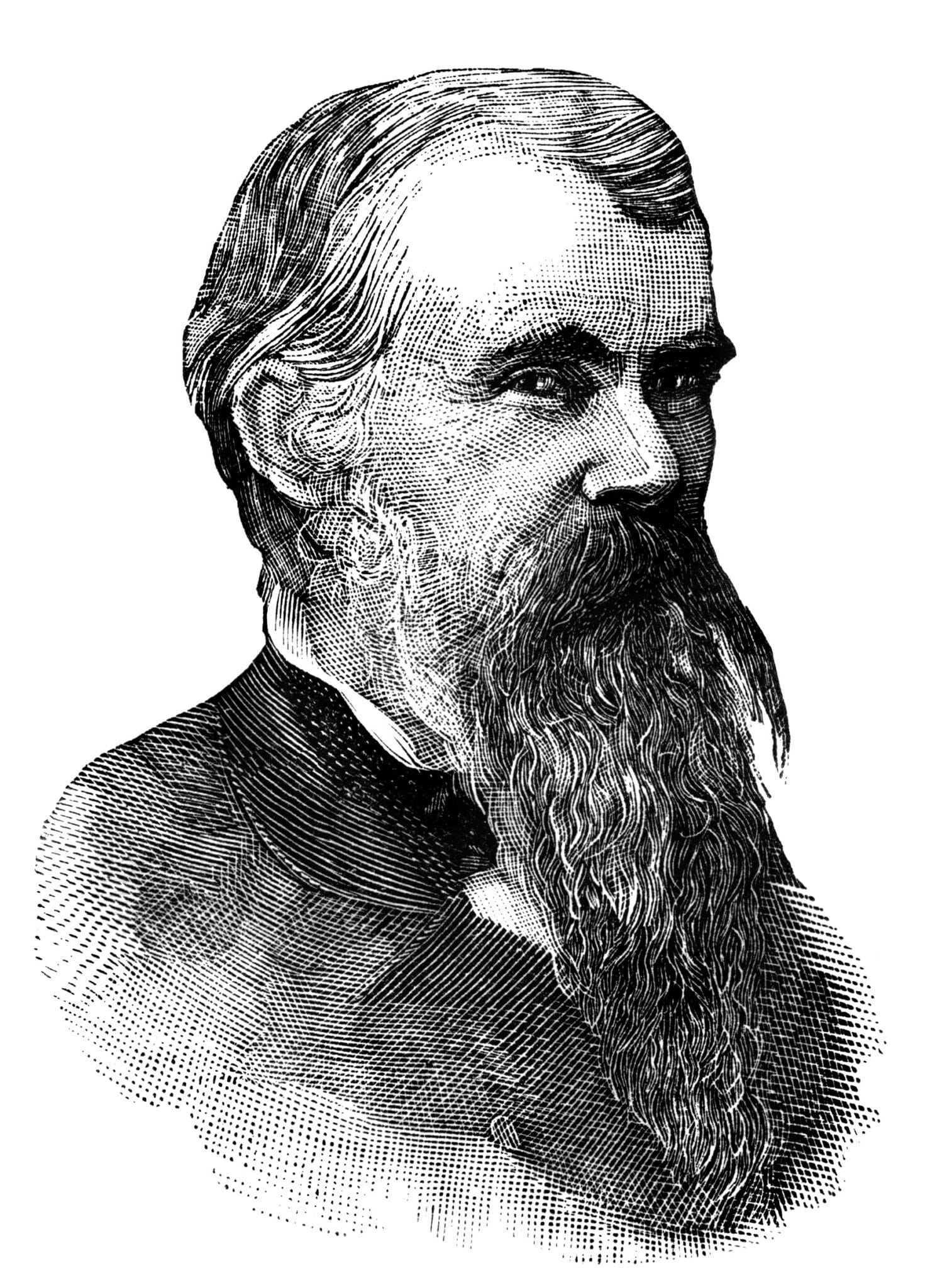
Hampton Newsome in Richmond Must Fall adds another, possibly the best I have seen in years in a military history:
“To aid Heth and Hampton, Hill looked to strip units from the trenches east of Petersburg. To do so, he turned to Major General William Mahone, the intense, diminutive Virginian who had emerged over the past year as one of army’s best division commanders. Mahone enjoyed the deep admiration of his soldiers, particularly fellow Petersburg men who had served under him in the 12th Virginia Infantry. George S. Bernard, a member of that unit and a political ally of the general’s after the war, explained, ‘Mahone, cool, courageous, and able, was by nature fitted for generalship as few men are, and none knew this better than the men of his command. Wherever he led or placed them, they always felt a moral certainty that they were being properly led or placed, either to inflict the most damage on the enemy or to have the enemy inflict the least damage on them.’ Mahone was not one for convention. His dress was unusual, sometimes composed of a ‘plaited brown linen jacket, buttoned to trousers, of same material, like a boy’s; topped off by a large Panama straw hat.’ He could also be ‘strictly uniformed when he chose.’ 59 At thirty-eight years of age, he was short and slight, ‘a mere atom of flesh.’ When his wife learned of a ‘flesh wound’ he had received, her retort was, ‘Now I know it is serious, for William has no flesh whatever.’ In camp, he kept his own cows and hens, which furnished a diet to ease a troubled stomach. During the Petersburg campaign, he rarely left his camp and, according to one observer, was ‘quiet, uncommunicative, absorbed in his own thoughts, taking care of his men.’ As a combat leader, he often displayed a confident, quick mind. Long after the war, one of the general’s contemporaries recalled, Mahone was a man absolutely devoid of fear. He did the right thing as he saw it under all circumstances without regard to consequences. Early in life, he explained to a friend, Wherever there is something to be fought for—there I wish to be.’ Tough and persistent, he usually refused to compromise with his opponents. ‘The only way Mahone will bury the hatchet is in the heads of every one who opposes him,’ wrote a postwar admirer. Mahone could be arrogant, brusque, and tactless in dealing with others. As one of his friends diplomatically put it, Mahone, while ‘obedient to the commands of his superiors, … exercise[d] a most liberal right of private judgment when he was sure of his facts.’ Another acquaintance described him as ‘a tyrant and presumptuous dictator.’ Though popular with many of his soldiers, some did not share this adoration. For example, an Alabama infantryman, whose brigade was in the thick of many attacks led by Mahone, recalled bitterly, ‘Billey Mahone was always volunteering to charge. Some place or other he wanted to git his name up for promotion. But he didant think of us poor fellows lives so he came out all right we didant like him any how.’”
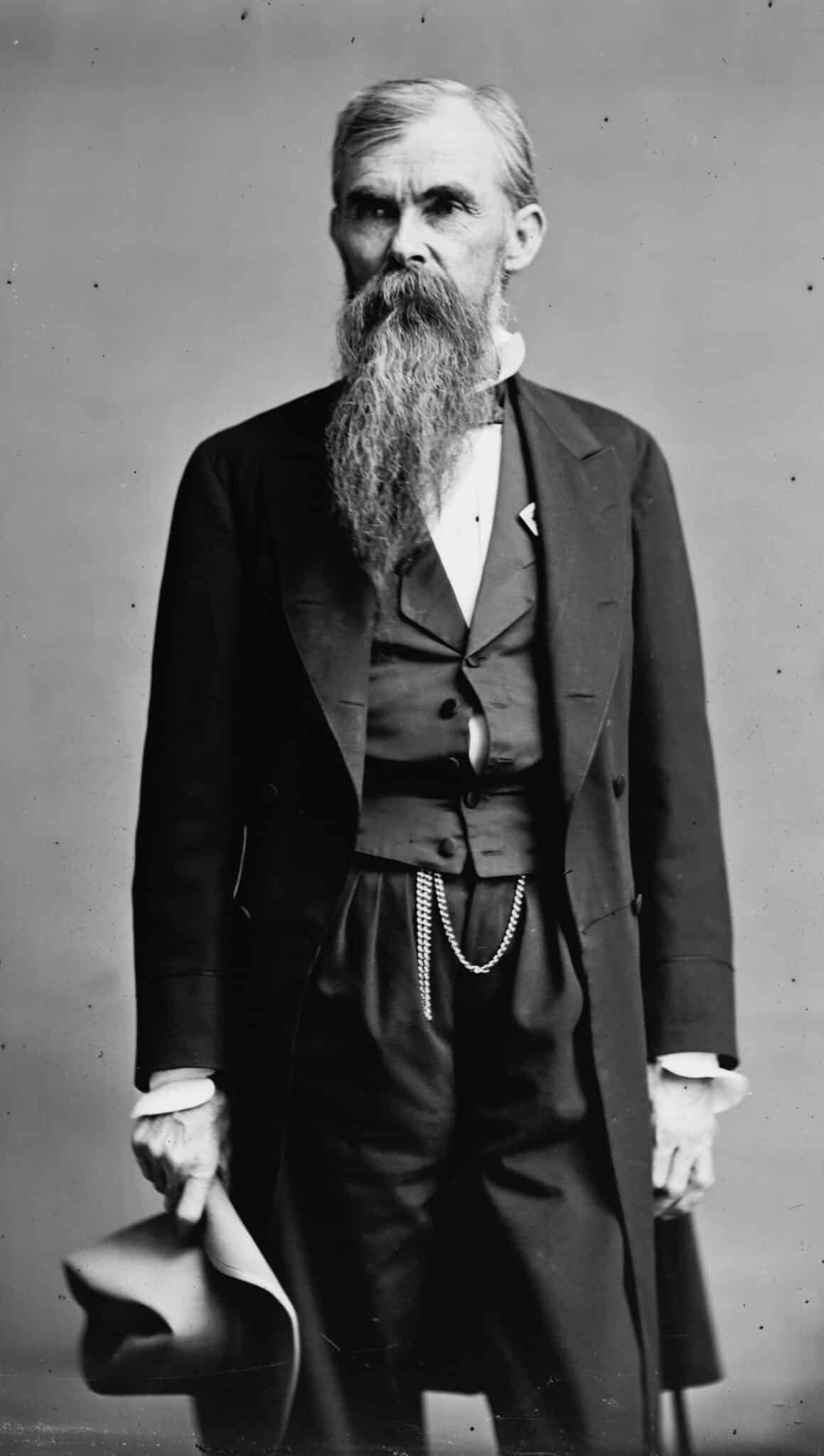


Thanks for posting these two extraordinary primary sources describing William Mahone. The contemporary descriptions were a delight to read!
Mahone had an interesting postwar career as well. I’ve visited his mausoleum in Blandford Cemetery.
Old blood and guts. Our blood, his guts, wrote at least one of Patton’s WWII infantrymen.
When I hear of Mahone I always remember the Time Life’s “The Civil War” section on the Crater which quotes an “admirer” as saying “Whenever Mahone moves out, someone is apt to be hurt.” Well said.