Rosies of the Civil War
During World War II as men went off to war, thousands of women filled the essential jobs needed to power the war effort, becoming affectionately known as ‘Rosies.” While the 1940’s gave us the unified, government-sanctioned icon of “Rosie the Riveter”, the Civil War featured a massive, unbranded army of working-class women who pioneered a similar industrial breakthrough 80 years earlier. Both the Union and Confederate governments faced severe labor shortages as men marched to the front lines, relying heavily on women to produce the much-needed war munitions and other supplies for their respective forces.
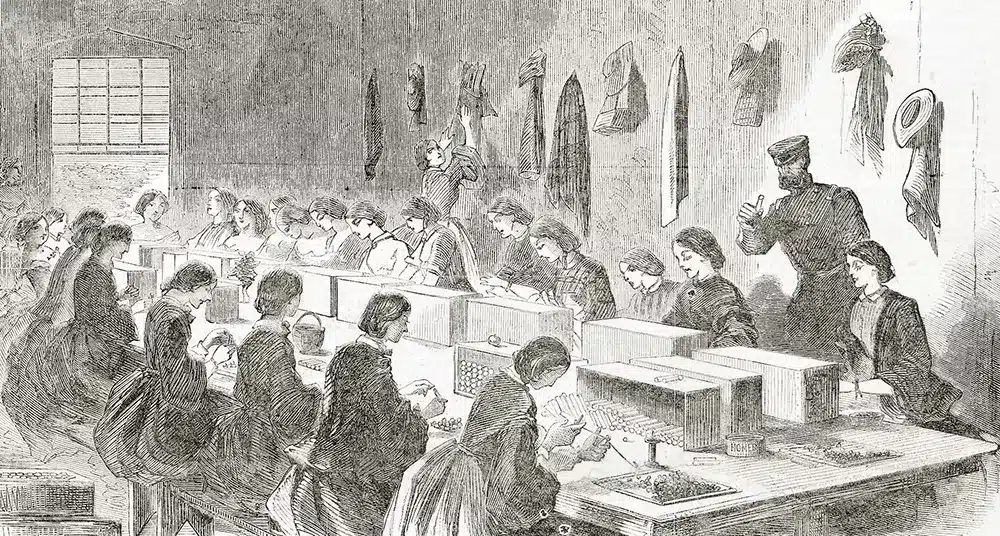
“Filling Cartridges at the United States Arsenal at Watertown, Massachusetts,” July 20, 1861, Harper’s Weekly. National Archives.
The most notorious jobs women began filling during the Civil War were those in the munition factories, often referred to as laboratories. Munitions is a broad term used to reference a wide variety of weapons and their components. In a military context, the word includes everything from the small bullets fired by soldiers to the massive explosive devices deployed by armies. Unlike WWII factories with heavy assembly lines and rivet guns, Civil War munitions work was intensely delicate, precise, and toxic. Employed women sat for hours at long tables, filling tubes made of paper or linen with an exact amount of black powder, then placing a Minie ball on top of the powder, before tightly twisting or tying both ends of the tube to seal it. The end result was a cartridge, producing between 150,000 to 200,000 cartridges a day.
The Civil War “Rosies” faced a level of workplace peril that rivaled the battlefields. Surrounded by open barrels of highly combustible black powder, the slightest spark could have dire consequences. The dangerous nature of these jobs proved fatal on more than one occasion. On September 17, 1862, a horse’s iron shoe, or perhaps a wagon wheel, struck a
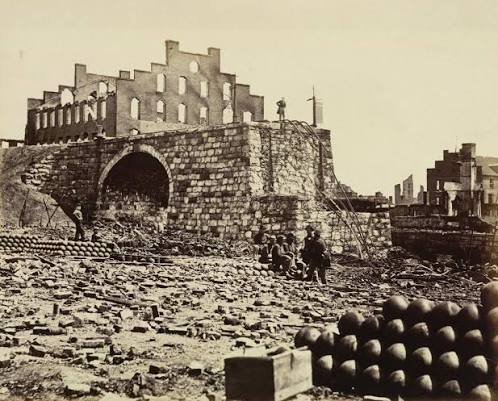
spark on the stone road outside the Allegheny Arsenal near Lawrenceville, Pennsylvania. The spark ignited the loose powder on the ground, resulting in a terrifying explosion. Of the 186 workers on site that day, 78 were killed— the majority were women and young girls. A similar explosion took place at the Washington Arsenal on June 17, 1864, when a superintendent left military fireworks drying in the sun outside the cartridge room. The summer heat ignited them, sparking a blaze and killing 21 young workers, all of whom were women.
The Union was not alone in these types of disasters. On March 13, 1863, at the Confederate
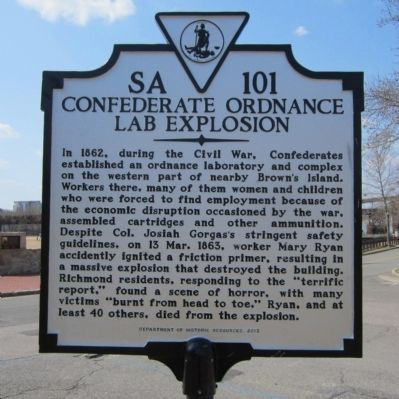
States Laboratory on Brown’s Island outside of Richmond, Virginia, Mary Ryan, a 19-year old worker was trying to dislodge a stuck friction primer from the wooden block at her work station. In the attempt to loosen the primer from the block’s grasp, she tapped the wood piece on the table. This act caused the primer to go off, resulting in a massive explosion which killed more than 40 women and children. The youngest victim of the Brown’s Island explosion, Eliza Willis, was just 10 years old.
It is important to note that while patriotism was one catalyst for the women seeking these jobs, oftentimes the primary motivator for these women was simply basic survival. It was common for soldiers’ pay to be delayed, and even when a stipend was received, the amount barely covered basic needs. For the Union, enlisted soldiers made $13 a month (in 1864 that amount increased to $16 a month). The Confederate soldiers made even less at $11 a month. With so little money coming in, those on the homefront were left with few options. Rather than living in extreme poverty, women choose to work, despite the dangers involved. Munition laboratories paid between $0.50 and $1.10 a day.
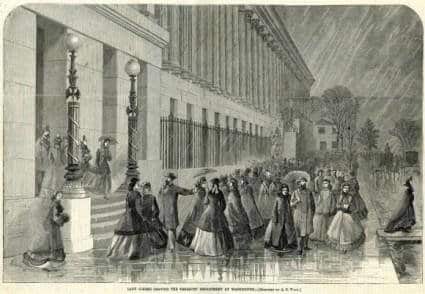
published February 18, 1865, in Harper’s Weekly.
Much like 20th Century Rosies, there were other jobs to be filled outside of munitions, but were still important to the war effort. For example, thousands of women went to work for clothing manufacturers. Operating an assortment of sewing machines, constructing millions of wool coats, trousers and tents for the armies. Additionally, much like WWII’s “Government Girls,” during the Civil War, the United States Treasury Department hired hundreds of women to cut, sort, and count the new federal paper currency. Similarly the Confederacy employed women to hand sign treasury notes.
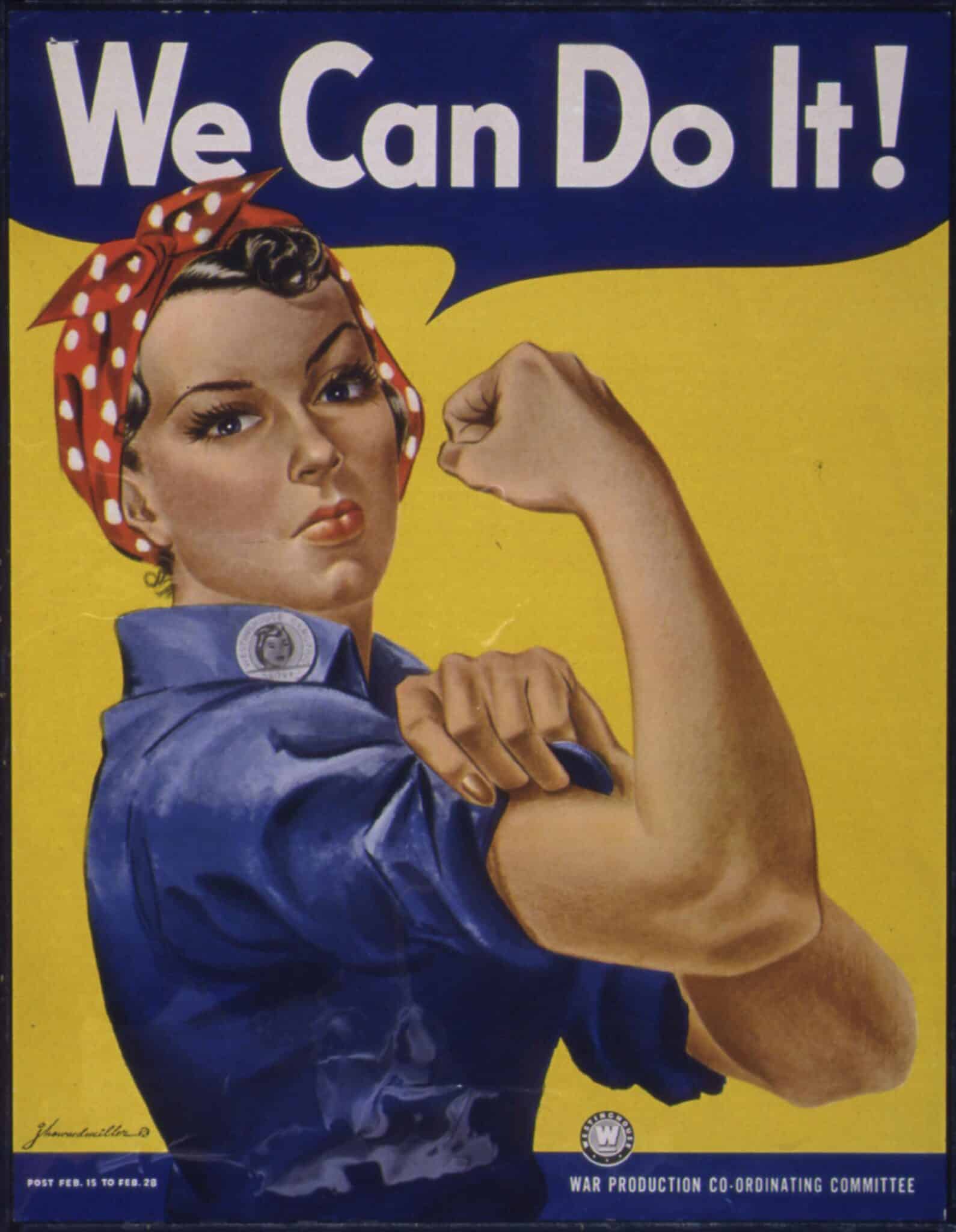
The “Rosies” of the Civil War did not just fill empty factory seats—they willingly did some of the most dangerous jobs to keep their families fed and their soldiers supplied, proving that the home front was just as vital as the war front. Unlike the armies, their names are not etched into stone, their stories are rarely told, and their accomplishments have nearly been forgotten. Yet, their courage, strength and sacrifices forever altered the landscape of American labor. Proving that when the nation called, women could do it, too.


Well done, thank you.
Excellent piece on a sorely neglected topic.
Thanks for a well done article!
One small addendum: the Allegheny Arsenal (today’s Arsenal Park) is in the neighborhood of Lawrenceville, which is in the east end of the city of Pittsburgh. I’ve lived here my whole life, and you can see original houses on 40th St. where body parts of the young victims were strewn about. As Antietam happened on the same day, this huge civilian catastrophe obviously got bumped from the headlines.
thanks Caroline, nice piece … there’s a monument to the Washington Arsenal women in the Congressional Cemetery (near 18th and E Street SE) where 15 of the 21 victims are buried … the monument itself has the names of all 21.