A Risky Flank Attack
Quick: Name a major battle in which the side that is heavily outnumbered launches a surprise attack, marching a chunk of its army completely around the other side’s army. And the attacking force’s commander is killed.
That’s right: Wilson’s Creek.
I recently had the chance to visit Wilson’s Creek National Battlefield, one of the few major battlefields I have not seen. I went out of my way to reach this site in the far southwest corner of Missouri, and it was well worth it. The park has a recently remodeled museum, new film, and preserves most of the August, 1861 battlefield.
Fought early in the war, it shares similarities with other early war battles: untrained troops, inexperienced commanders, uncertainty about how long the war would last or what course things would take. Yet this battle was unique to its time and place. The troops were largely from Missouri, Arkansas, and Kansas. The region was bitterly divided on the issues of secession and slavery. Control of strategic towns, waterways, and railroads influenced troop movements.
The Federal commander, General Nathaniel Lyon, came up with an ambitious plan: divide his army and attack a numerically superior force. The northern troops would advance from two directions, and the two wings of Lyon’s army would be too far apart to support each other. Attacking from north and south, the Confederate army would be in between them. We often think of Lee’s actions at Chancellorsville as audacious; this was no less so.
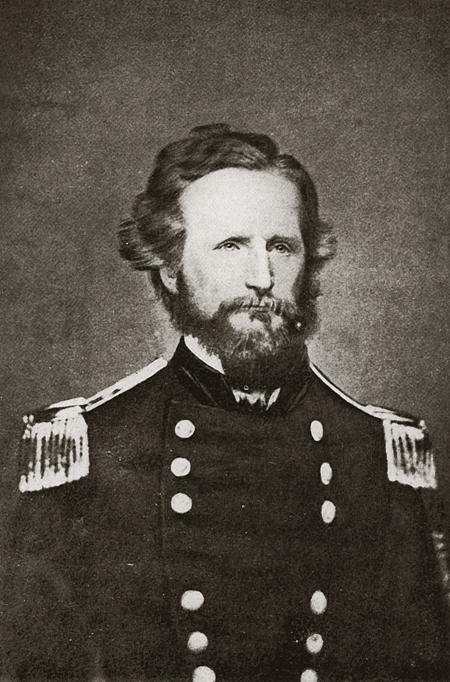
Lyon’s forces included troops from Missouri, Iowa, Kansas, and some regularly Army companies, it totaled about 6,000 men. The southern army was an interesting mix of troops, including Missouri State Guard led by General Sterling Price, and Confederate troops from Arkansas and Louisiana under General Ben McCulloch. Together they had about 12,000 troops. But some of the Missouri State Guard were armed only with civilian weapons, and about 2,000 of them had no weapons at all.
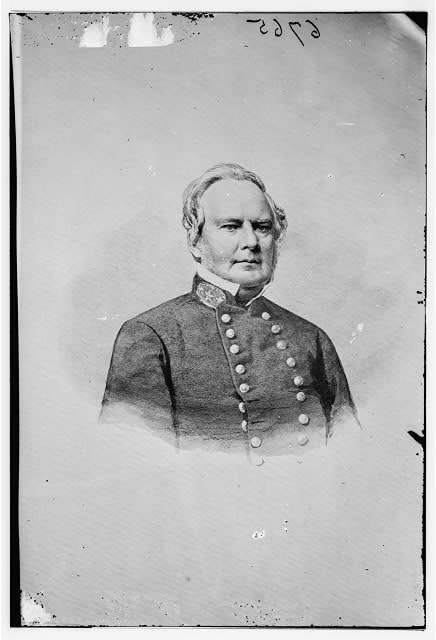
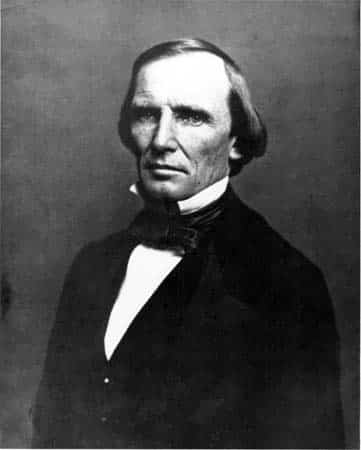
On the morning of August 10, 1861. General Lyon led his troops south from Springfield toward the Confederate forces camped along Wilson’s Creek. Moving around to strike them from below in the opposite direction were 1,200 troops under General Franz Sigel. Hitting the enemy from two sides unexpectedly could cause chaos and overwhelm them, but as the two Union forces could not communicate or support each other, they would have no knowledge of the other’s progress until, and if, they united in the Confederate camp.
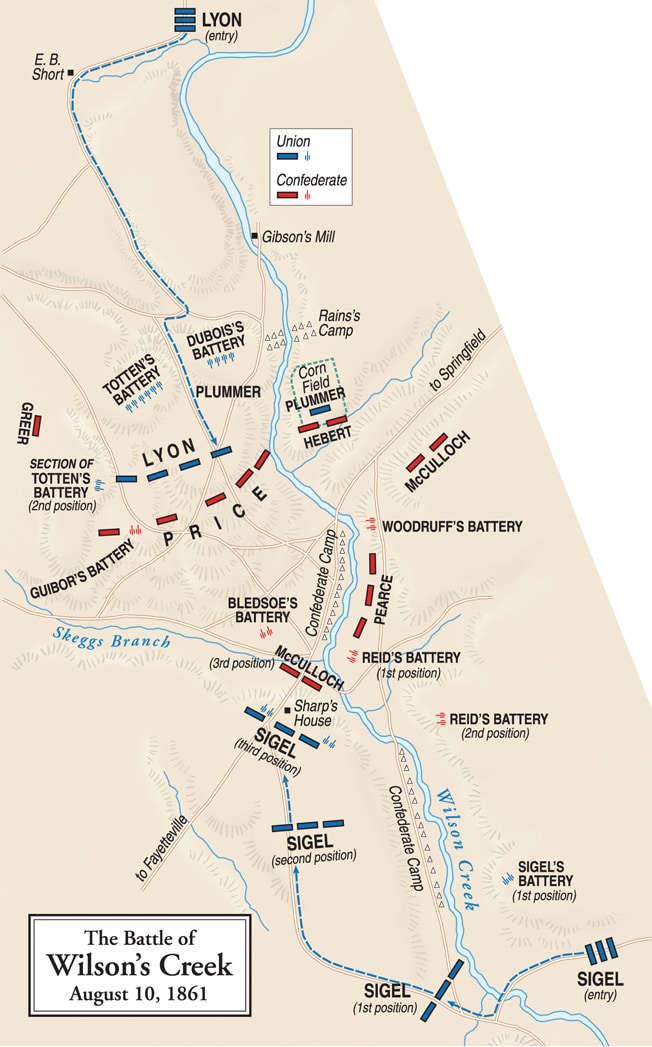
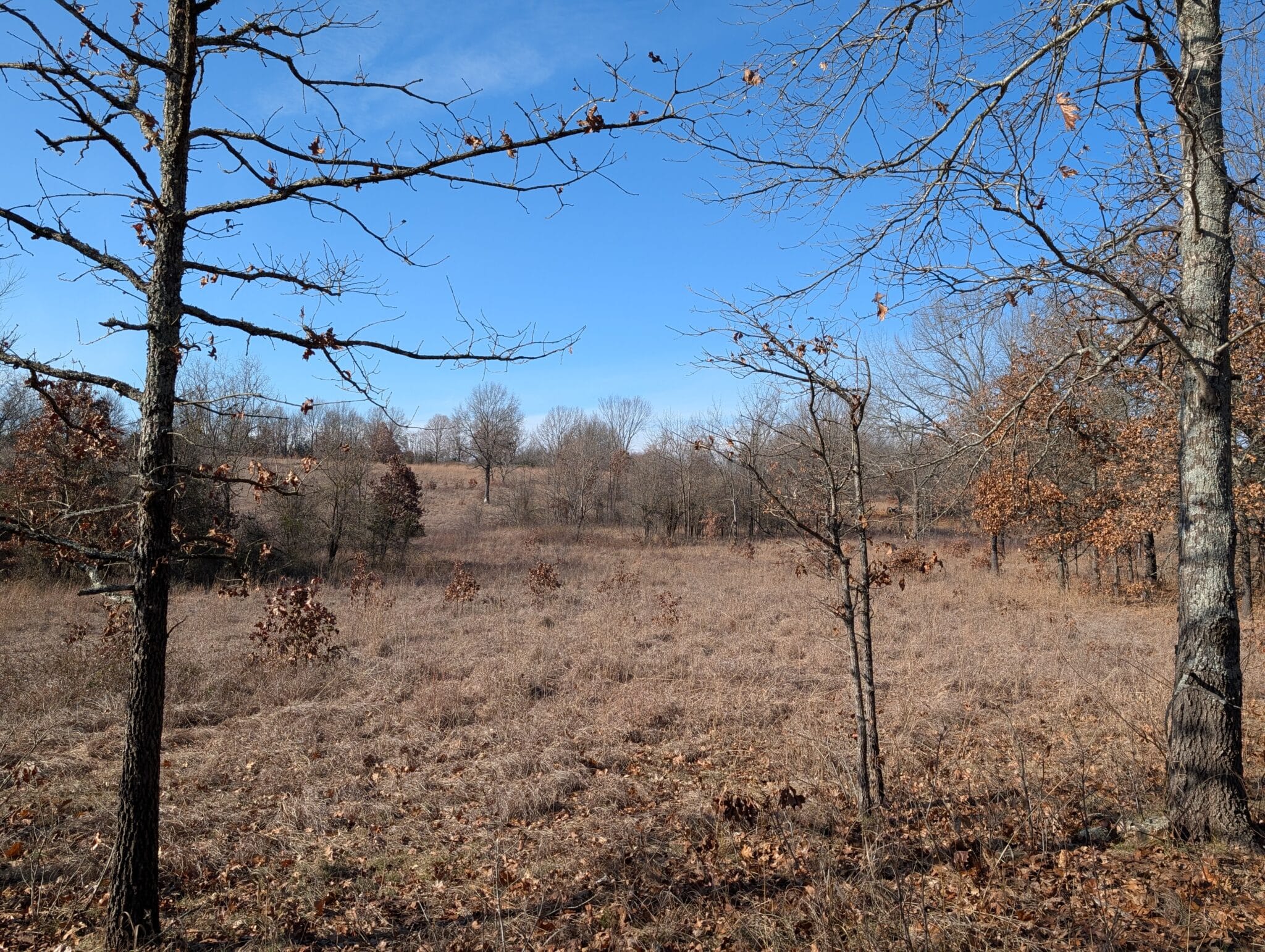
The heaviest fighting was on what became known as Bloody Hill, where Lyon’s forces fought the bulk of the Confederate army. For about five hours the combat raged here back and forth, with many lulls and sporadic fighting. On this hill there were multiple charges and counter charges, and commanders spent much time trying to keep their inexperienced troops in line. Being untried and not used to combat, the forces fought until they were exhausted and ran out of steam.
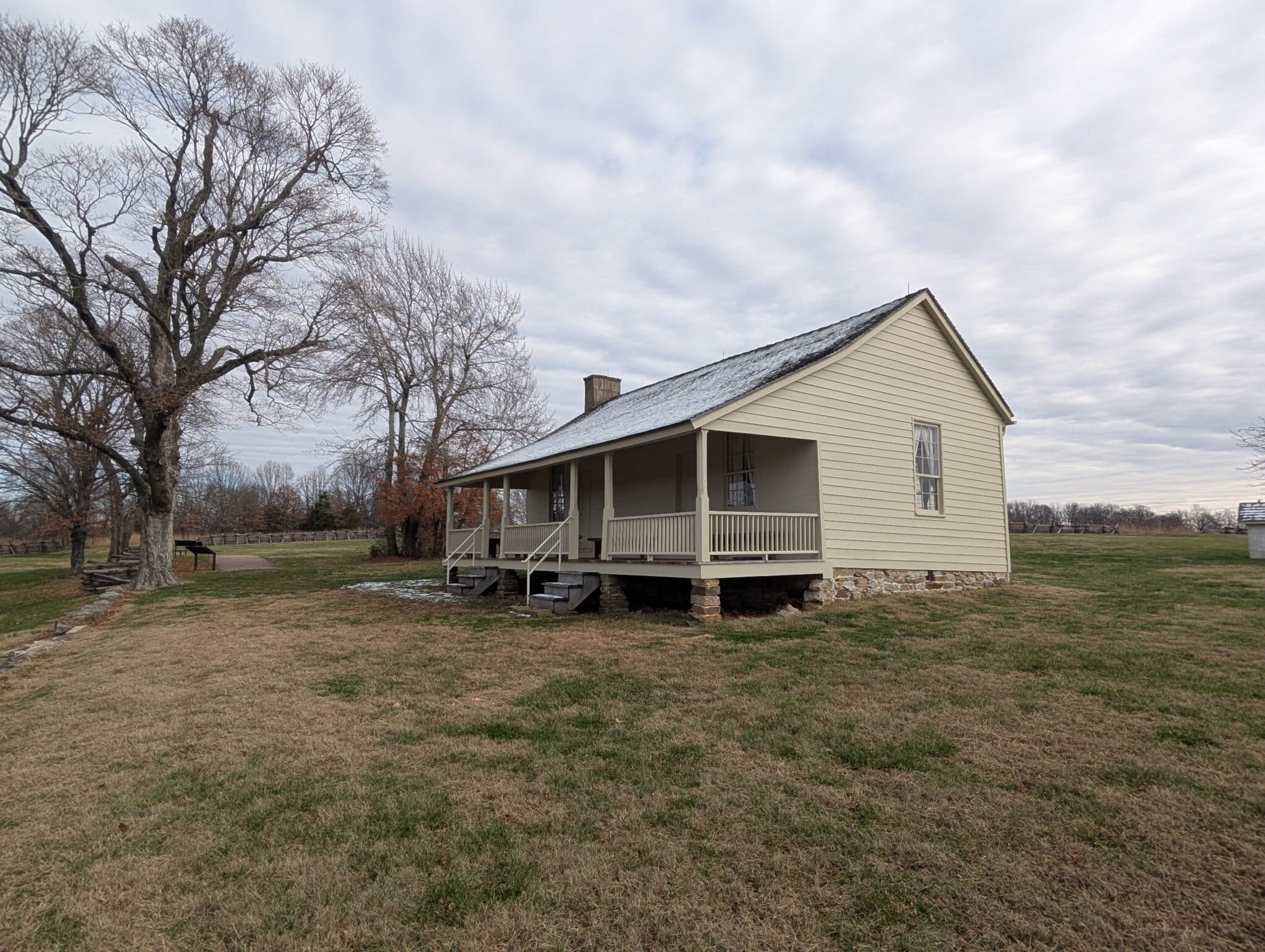
General Lyon was hit and killed while leading a counterattack on Bloody Hill. His body was left behind during the Federal retreat. Confederates brought his body to the Ray house, which still stands in the park.
Sigel managed to get his troops into position as planned and initially made good progress surprising and routing the stunned Confederates from the rear, but reinforcements led a counterattack and forced him back. Unable to communicate with Lyon’s command to the north, and unaware of how it was progressing there, Sigel withdrew.
The battle resulted in 1,317 Federal and 1,222 Confederate casualties. The weakened Confederate forces were unable to capitalize on the factory, as St. Louis, Jefferson City, and Springfield were firmly in Union hands. The north also gained its first martyr, General Lyon.
When we think of well preserved, pristine battlefields Antietam often comes to mind, but Wilson’s Creek is just as unspoiled. The landscape is similar to its historic appearance, and there is little modern development at the battlefield’s edge.
Many commanders at Wilson’s Creek would figure prominently throughout the rest of the war (especially in the West), including Price, Sigel, Sturgis, and Hebert. This is a fascinating battle, often overlooked, that is well worth studying.


In a world where the phrase “hidden gem” is badly overused – and a subject where 160 years make it hard to refer to any battle as such – Wilson’s Creek (battle and park) are about as close to it as you can get. Your biggest takeaway will be, “why did it take me so long to come here?”
Wilson’s Creek, and many others, are fascinating in that, quite unique to warfare, you had significant amounts of combatants who, on the one hand, had no military training, yet on the other, were generally familiar with weapons – in this case, firearms – and rather hardy types, unafraid to do battle, who marched off to war and were thrown into a fight, some of them mere days after joining one of the armies. Warfare was simpler then so less training was required, but still it’s amazing that these large engagements occurred, at length, with so many raw green troops. Look at Shiloh, and First Manassas…
I totally agree! I found myself making lots of comparisons with Manassas especially. Its a unique battle for its place and time.
It’s incredible to think of so many soldiers unarmed. What did they do during the battle? Wait to pick up discarded weapons, guard wagons, or what? I’m reminded of the reinforcements sent to Brig. Gen. Robert S. Garnett in northwest Virginia early in the war. Many of them were sent home because they simply did not have enough muskets to arm them.
I believe the idea is that the unarmed men would scavenge abandoned arms from the field and then join the fighting. Their presence was a sticking point between Price and McCulloch (who thought they were a waste of supplies and an impediment to discipline).
Great tribute. I recently found 2 Badgers who served in the 1st Iowa in the battle.