My First Visit to an Emerging Civil War Symposium
There is always something new to learn about the American Civil War. Even after decades of reading about the conflict, I still come across personalities, events, and perspectives I had never given much thought. Sometimes all it takes is the right speaker to make an unfamiliar subject interesting. That, more than anything, was my takeaway from attending the Emerging Civil War Symposium for the first time.
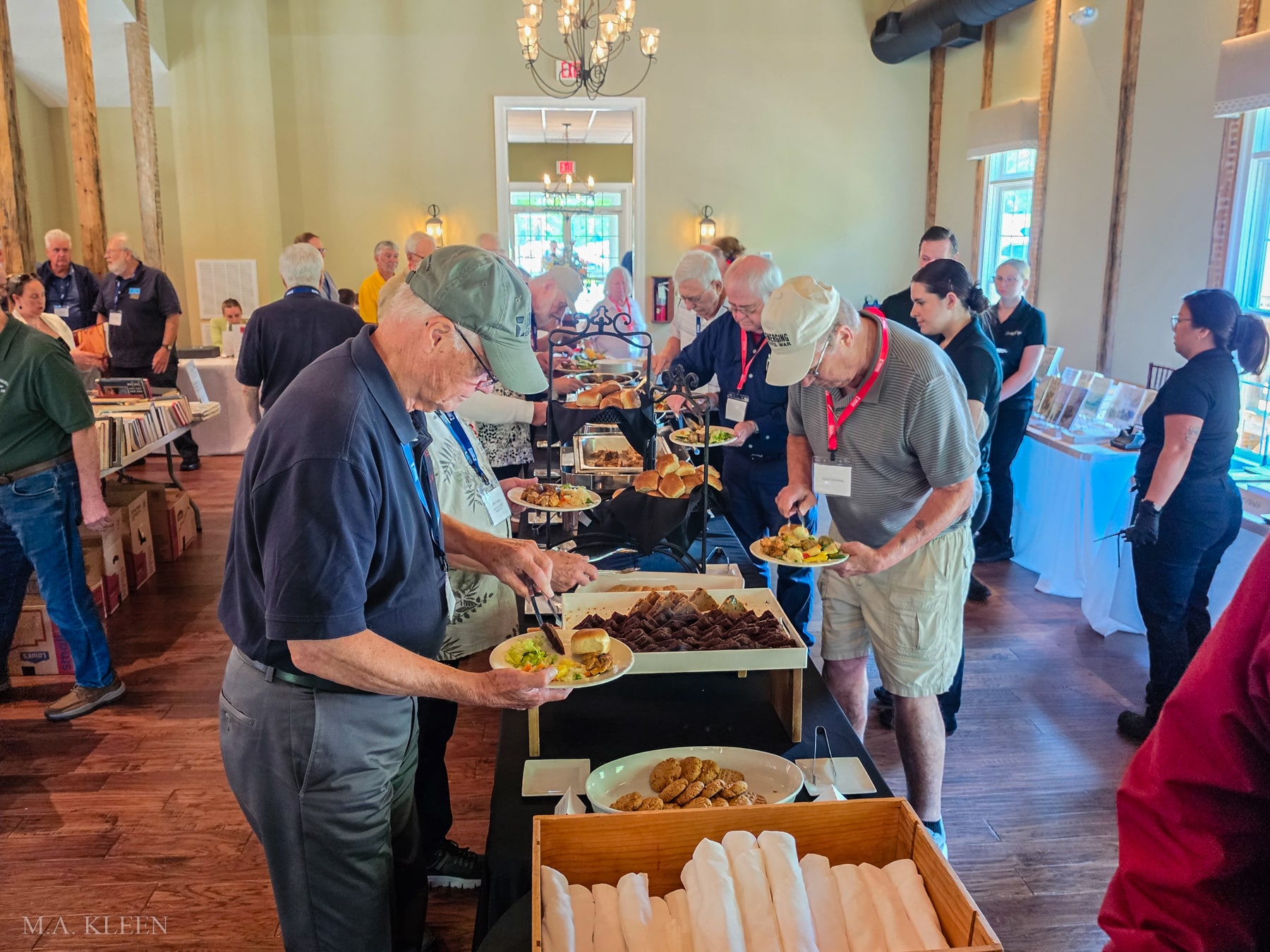
This year, the 12th Annual Emerging Civil War Symposium was held at Stevenson Ridge in rural Spotsylvania Courthouse, Virginia, over the weekend of August 7–9. The event featured nine speakers, food, awards, vendors, a Sunday battlefield tour, and an informal gathering at Strangeways Brewing in Fredericksburg. I was only able to attend on Saturday, but I still came away impressed and invigorated to meet my fellow Civil War buffs and put faces to the many names I see daily on the ECW blog.
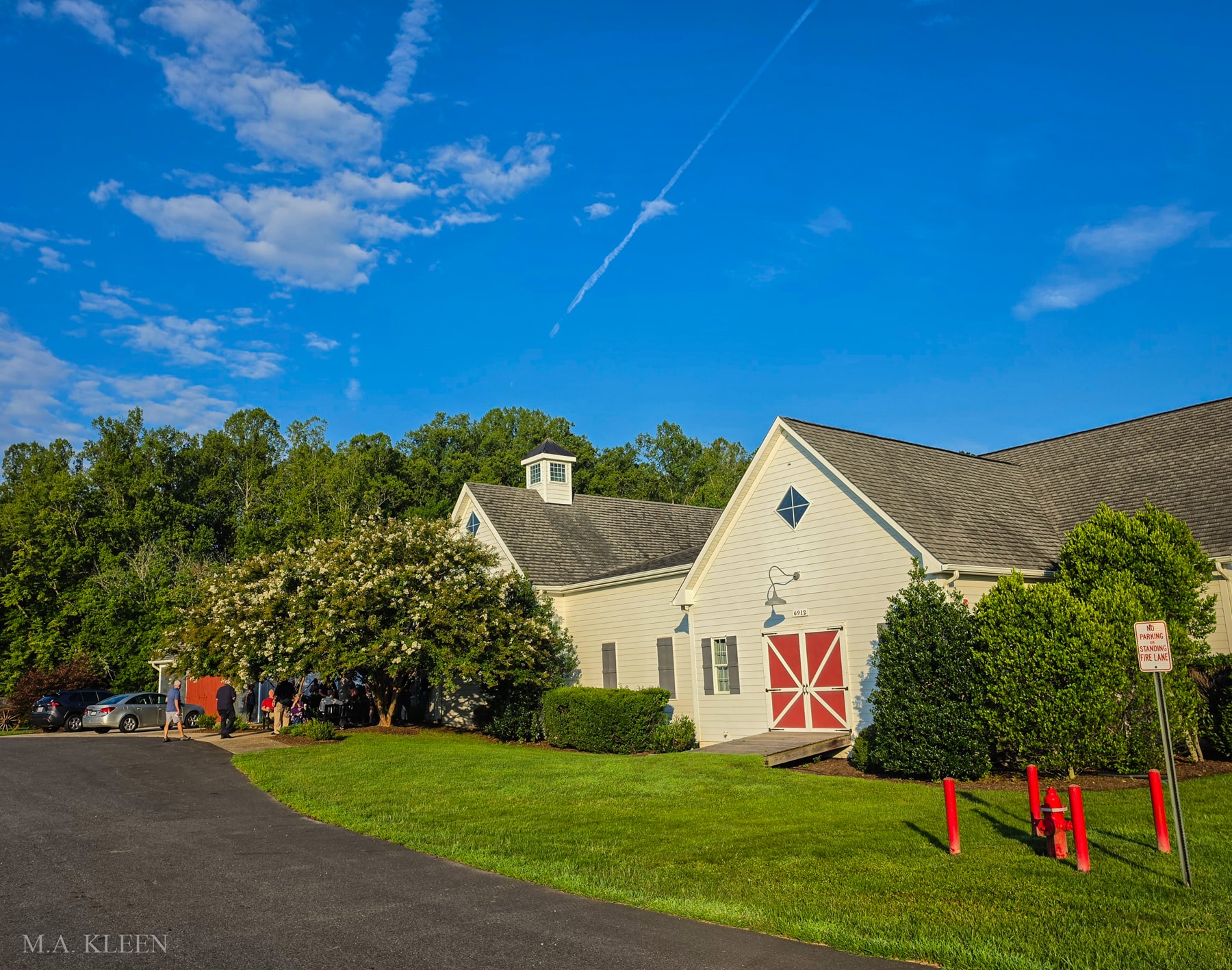
Events like this, especially during a transition in leadership, are not easy to pull off, but ECW’s leadership team made it feel effortless. It was a wonderful experience, from the venue and food to the presentations and opportunities to network and meet others who share a passion for Civil War history.
This year’s theme, “Partnerships and Rivalries,” gave the speakers plenty of material to work with, even with a last-minute change to the schedule. On Saturday morning, Ulysses S. Grant expert and impersonator Dr. Curt Fields stepped in for Ryan Quint, who was unable to attend due to another commitment. Chris Mackowski interviewed Fields, in full character as Grant, about some of the general’s key relationships. I would have liked to hear more about Grant’s sometimes contentious partnership with Gen. George G. Meade, but the segment was both fun and educational.
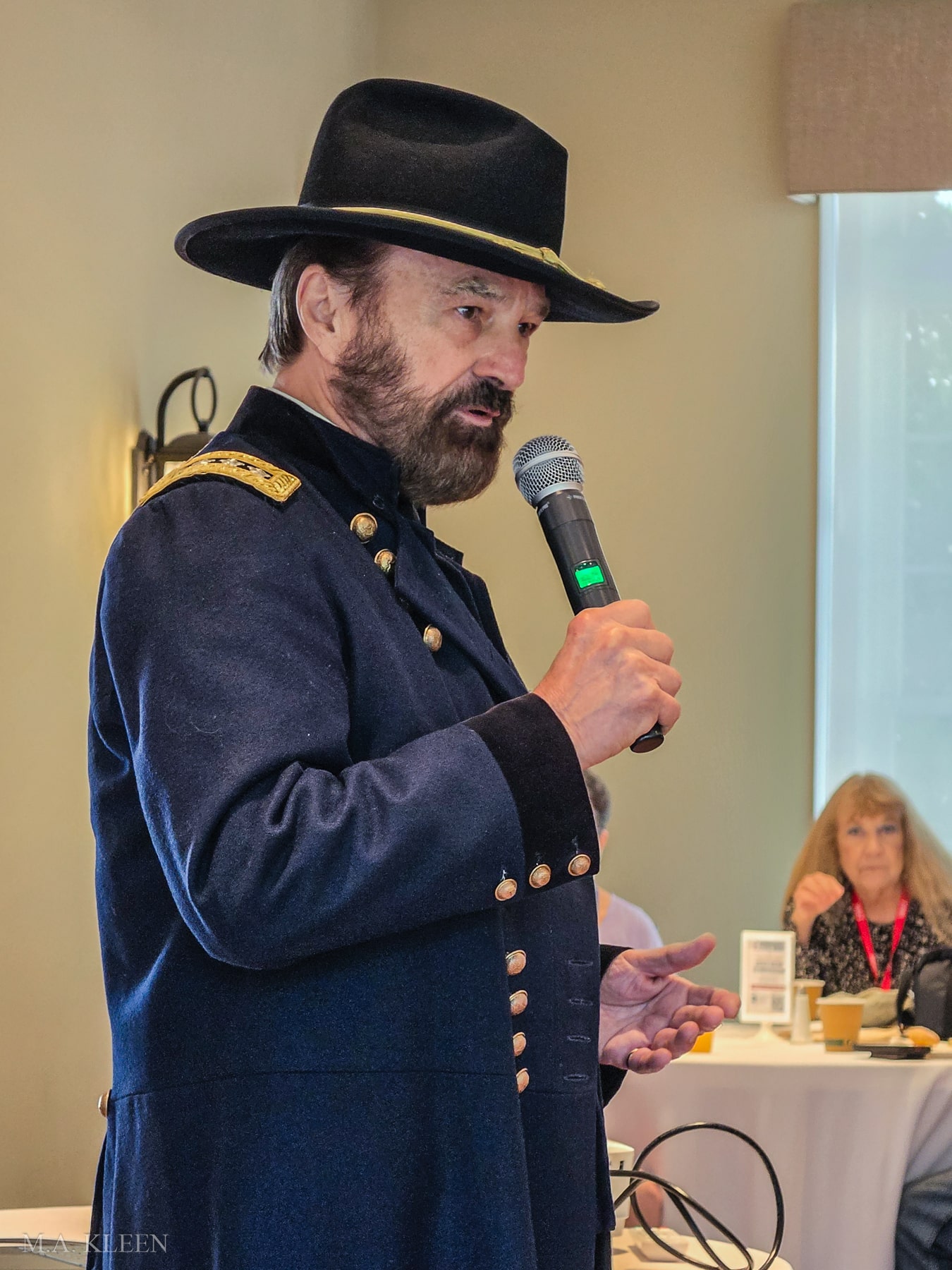
Don Madar, Harrisburg Civil War Round Table director and first-time symposium attendee, was extremely pleased. “Wow! The line up of knowledgeable speakers coupled with Keynotes by Craig Symonds and Howard Holzer made for a memorable learning experience. The topper was an unexpected visit from Curt Fields, famous General Ulysses S. Grant, knocked it out of the park for me!” Madar, James E. Schmick, Scott L. Mingus Sr., and Bradley M. Gottfried recently collaborated on the book Before Gettysburg: Untold Stories of the Harrisburg Region During the Pennsylvania Campaign and the American Civil War.
In addition to his work with the Civil War Round Table, Don is also on the boards of the Camp Curtin Historical Society and the Pennsylvania Reserves Volunteer Corps Historical Society, and administrator for Civil War Discovery Facebook group. I’ve been lurking on the Civil War Discovery group for several years and was pleasantly surprised to run into Don at this year’s symposium. It turns out we have more in common than just an interest in Civil War history. Opportunities to make personal connections like that abound.
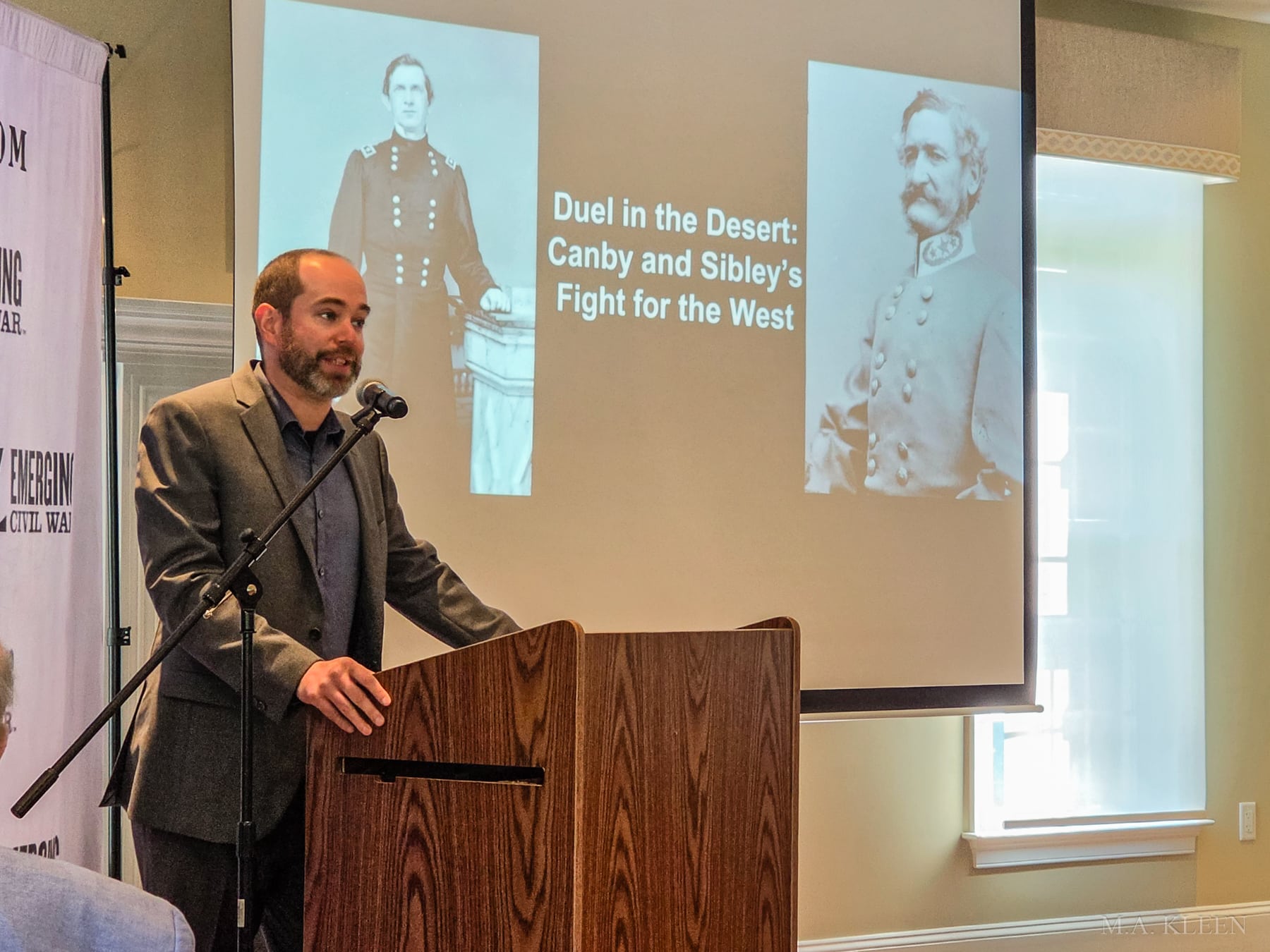
Patrick Kelly-Fischer, coauthor of the recently released book Desert Empire: The 1862 New Mexico Campaign, gave an engaging and often humorous overview of Henry Hopkins Sibley’s 1862 New Mexico Campaign and his rivalry with Union Col. Edward Canby. I’m far from alone in being largely ignorant of the Trans-Mississippi Theater, and Patrick did an excellent job bringing its characters and battlegrounds to life.
Although Patrick had previously attended the symposium as a guest, this was his first year as a speaker, and he enjoyed the opportunity to share his area of expertise. “I think the biggest difference for me was that it opened the door to a lot of conversations about the parts of the war I’ve studied most,” he told me. “My focus is on the Trans-Mississippi, and about as far west as you can get in that theater, and that isn’t a topic that’s likely to come up organically unless it’s in response to a talk about it.”
Dual keynote speakers Dr. Harold Holzer and Dr. Craig L. Symonds added their impressive academic pedigrees and decades of scholarship to the lineup.
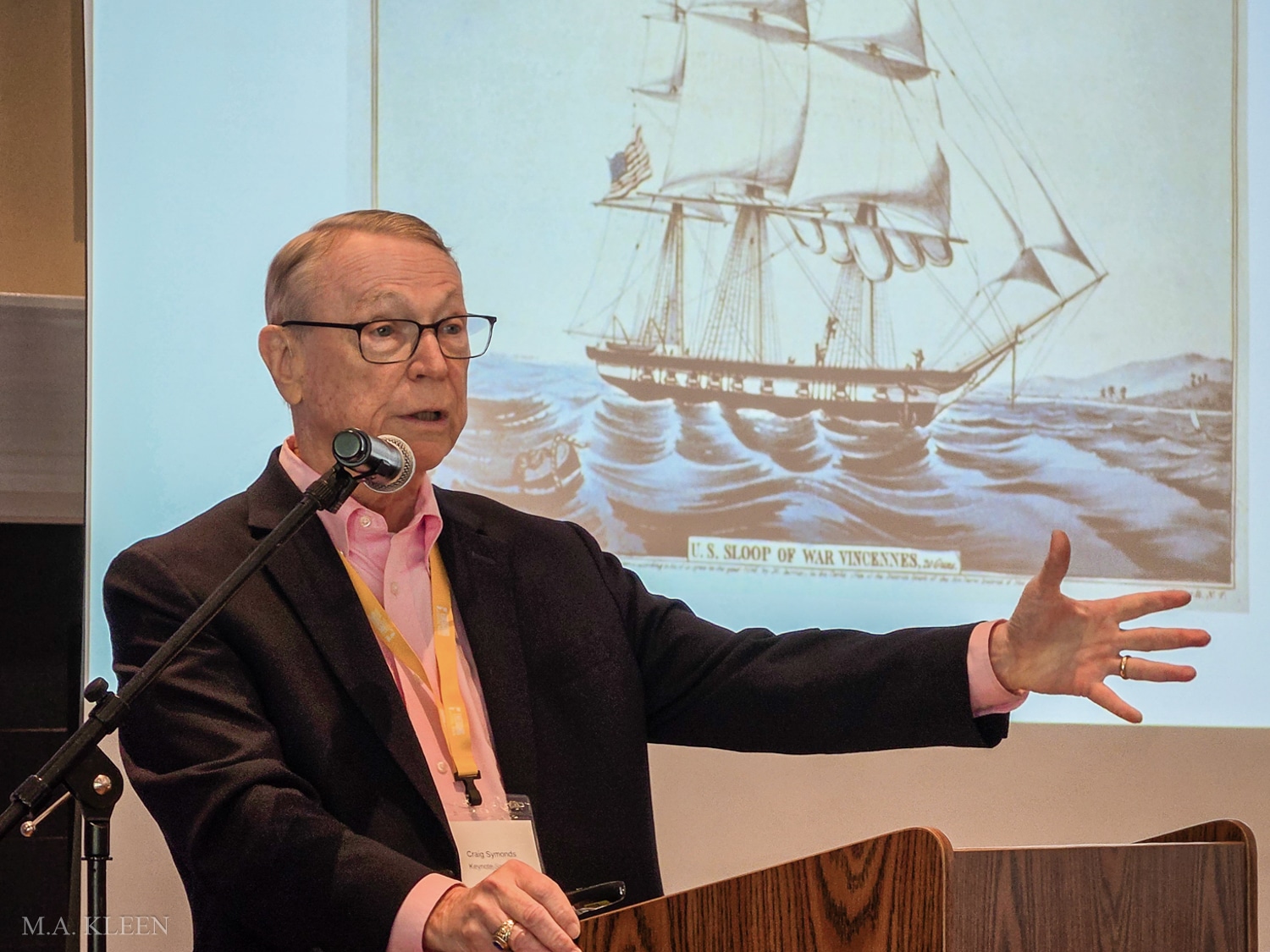
Symonds, professor of history emeritus at the U.S. Naval Academy, spoke on the divergent careers of Confederate Admiral Franklin Buchanan and Union Admiral David Glasgow Farragut. Buchanan had served as the first superintendent of the U.S. Naval Academy but, as a Marylander, hesitantly joined the Confederate cause after the battle of Bull Run. Farragut, meanwhile, lived in Virginia and was married to a Virginian, but chose to continue his service in the U.S. Navy. I’ll be the first to admit that Civil War naval history is not my area of interest, but Symonds effortlessly translated what can be a complex subject into an engaging story about two men with dueling loyalties.
Dr. Harold Holzer, director of the Roosevelt House Public Policy Institute at Hunter College in New York City, presented “Presidents in Print: The Dueling Images of Abraham Lincoln and Jefferson Davis.” In this interesting study in contrasts, Holzer examined how Lincoln and Davis were portrayed in lithographic prints during and after the war. Davis was initially shown most often in military uniform, reflecting his reputation as a Mexican War hero and former U.S. secretary of war. Lincoln, by contrast, was portrayed more as a “people’s president,” a humble, self-made man. Some of the images Holzer shared were quite rare.
Topping it all off, the always illuminating Timothy H. Smith, a licensed battlefield guide at Gettysburg National Military Park for more than 25 years, provided some food for thought in his discussion of personal and professional conflicts in the Army of the Potomac during the Gettysburg Campaign. “I found Tim Smith’s presentation interesting in that he touched on movement and communications into the Cumberland Valley and how Confederate movement north to Chambersburg and beyond occurred,” reflected Don Madar. “I also enjoyed his deep dive into newspapers of the time for perspectives and research. He has done so much to enhance the history of the Battle of Gettysburg.”
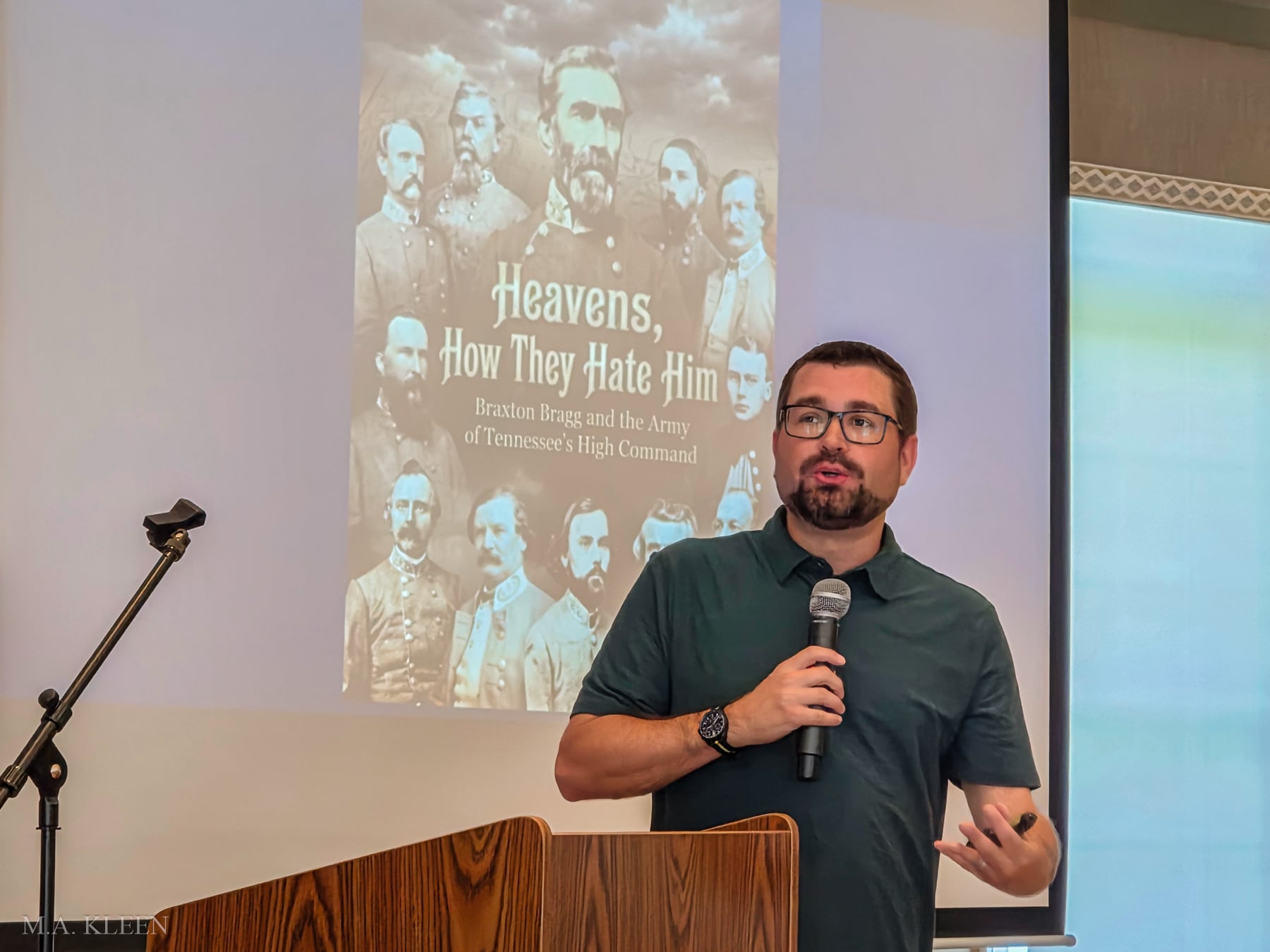
All of Saturday’s speakers were engaging and entertaining. Even Kris White’s presentation on Braxton Bragg’s unpopularity, which was less formal than the others, really hit it out of the park. But it wasn’t just about the presentations, silent auction, and awards. Camaraderie was as much a part of the experience as anything else.
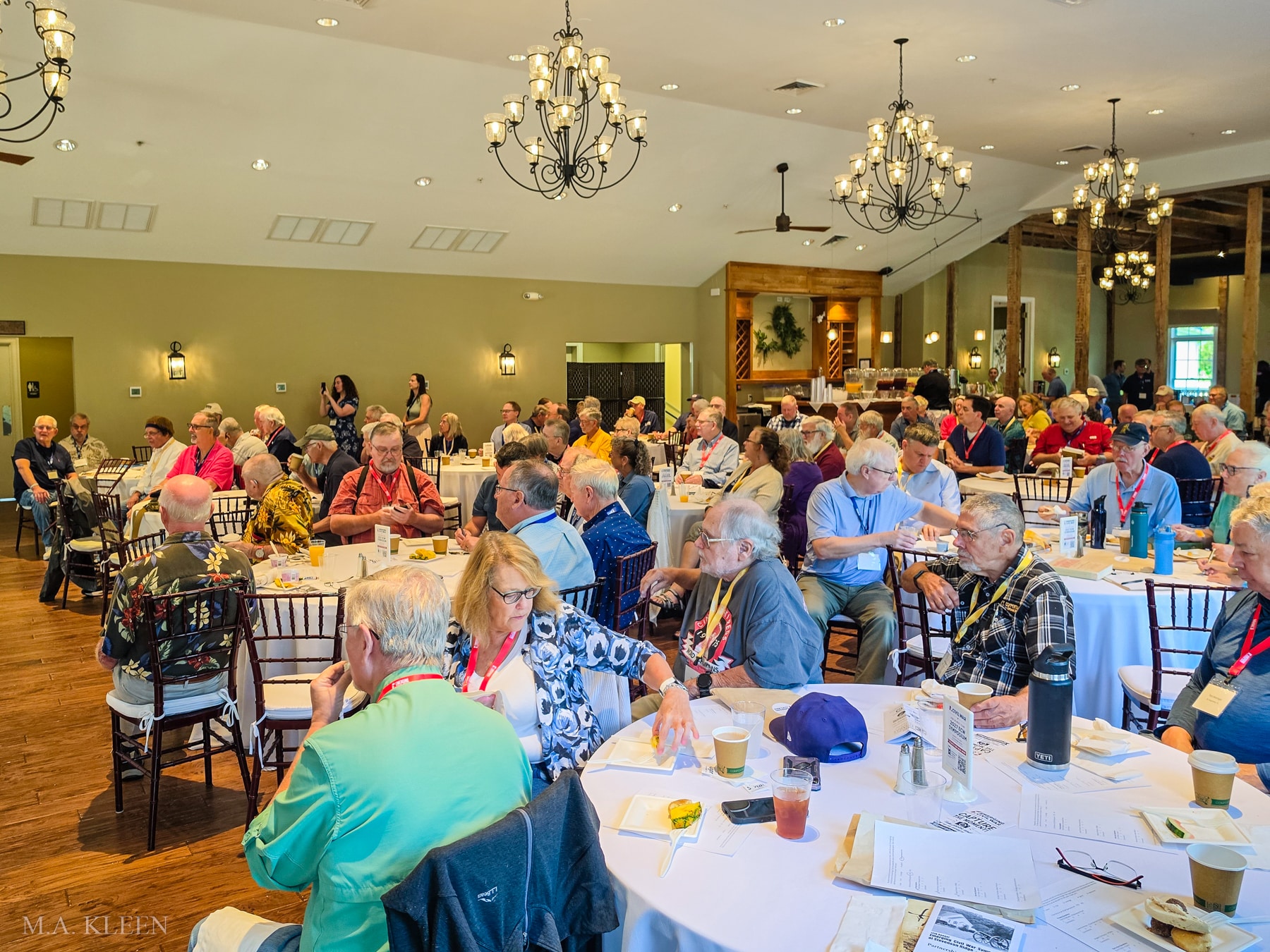
“The symposium is like a family reunion,” ECW member Jon-Erik Gilot told me. Over a year ago, Jon encouraged me to start submitting articles to ECW, but this was the first time we met in person. “There are so many attendees and members who attend every year. I always enjoy watching the crowd come through the doors on Friday, seeing old friends reunite, and seeing others recognize names of people they’ve interacted with on the blog. It’s the old familiar feeling of friends and colleagues who share a passion for history.”
My biggest disappointment was having to miss Sunday. Chris Mackowski led a morning tour of Prospect Hill on the Fredericksburg battlefield focused on Stonewall Jackson’s relationships with his various subordinates, revealingly titled “Stonewall Jackson’s Arresting Personality.” If it was even half as entertaining as Chris and Kris White’s recent discussion of Jackson on the BOOM Goes the History podcast, it must have been a good one.
I have been contributing to ECW’s blog for a little over a year, but this was my first time attending the symposium. I only wish I could have stayed for the entire weekend. For anyone interested in the Civil War who can make it out to Virginia for a few days, it is well worth the trip.


I always regret missing one of the Symposium, particularly when the topic area is of interest to me.
We miss your shirts.
The gathering of Civil War travelers converging on Stevenson Ridge for the annual ECW Symposium is much like a class reunion. I’ll predict that you’ll be blocking out the next several first weekends in August now that you’ve taken the plunge.
I hope so – I met a lot of great folks
I wish we’d have had more time to hang out!
Me too!