Remembering 9/11 and the Lessons of Antietam on 9/11’s 25th Anniversary
The first plane caught everyone by surprise, so few people saw it actually hit the tower. By the time the second plane flew in, nearly the entire world was watching their television in horror, so we all saw the second collision. Soon, suddenly, we cut away to a developing story at the Pentagon, and we heard unclear news from Shanksville, Pennsylvania. We stayed glued to our televisions all morning and into the afternoon. We saw people leap to their deaths from the burning buildings—literally watching people kill themselves in real time—and we saw when one tower and then the other collapses in on itself.
I will never forget those images.
The events of 9/11 were lived history for me—for so many of us—and they remain felt history, even a quarter of a century later. But for years now, I’ve been teaching a generation of students for whom 9/11 is just history. Those events don’t have the visceral punch they still have for me. My students understand 9/11 differently than I do. They remember it differently.
Time is doing its thing.
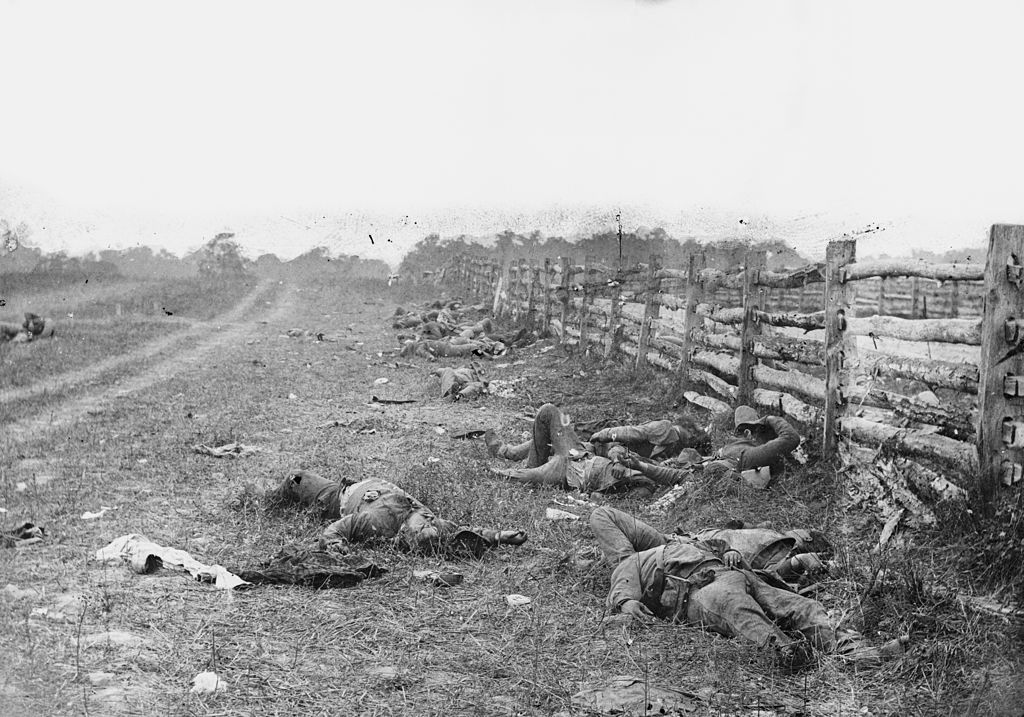
It has become my custom on 9/11 to think back to a different day during a different September when America suffered an even more catastrophic loss of life. As I first explained in 2012, the events of Sept. 11, 2001 and Sept. 17, 1862, have become inextricably linked in my mind. In recognition of both events—and as a continuing cautionary tale against forgetting either of them—I offer a repost of a reflection I put up during ECW’s first year, Remembering 9/11 and the Lesson of Antietam.


Cannot also forget on 09/17/1862, the horrific Allegheny Arsenal explosion in Pittsburgh, killing 78 workers, the greatest single day loss of CIVILIAN life in the Civil War.
Sorry, can’t access the link because Cloudflare goes into an infinite loop.
https://emergingcivilwar.com/2011/09/12/forgetting-911-and-the-lesson-of-antietam/
Thanks for the link. Hyperlinks in the article’s text worked just fine, but clicking on any image went into the Cloudflare infinite loop. Go figure.