The Bermuda Hundred Campaign in Art
The Bermuda Hundred campaign was no small affair. Roughly 70,000 troops were involved, nearly all in active campaigning. There was one major battle at Drewry’s Bluff. By official casualties (nearly always fewer than actual losses), Drewry’s Bluff was almost as bloody as Perryville and Glendale, and bloodier than more famous battles at Corinth, Champion Hill, the Crater, South Mountain, Mansfield, and Bull Run. There were numerous other engagements, although only Ware Bottom Church and Swift Creek could rank as true battles. Furthermore, it was the largest amphibious landing of the war and a vital part of Ulysses S. Grant’s grand Virginia offensive.
It was no small or minor affair.
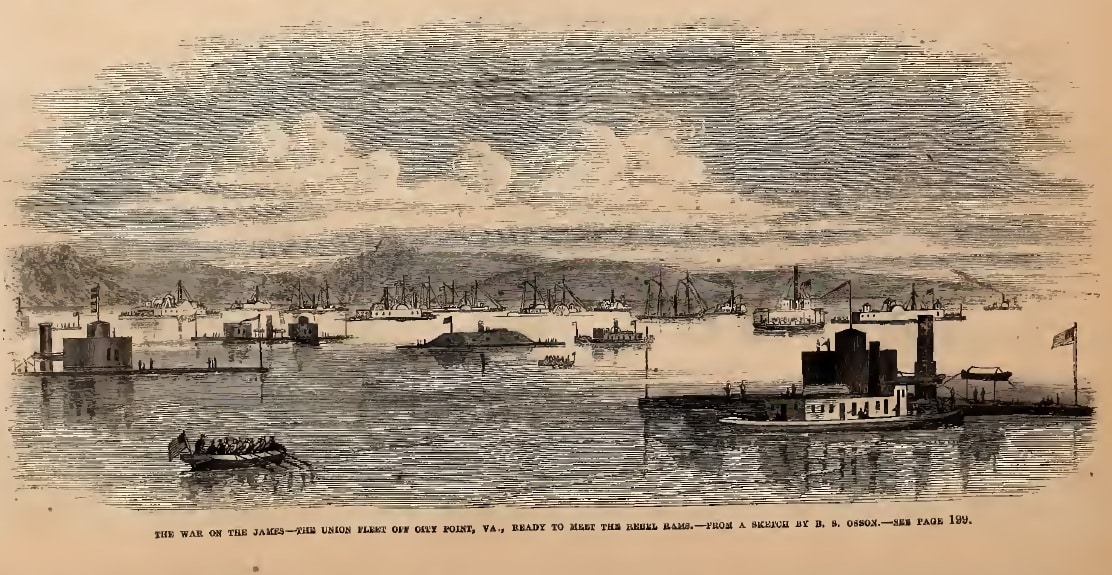
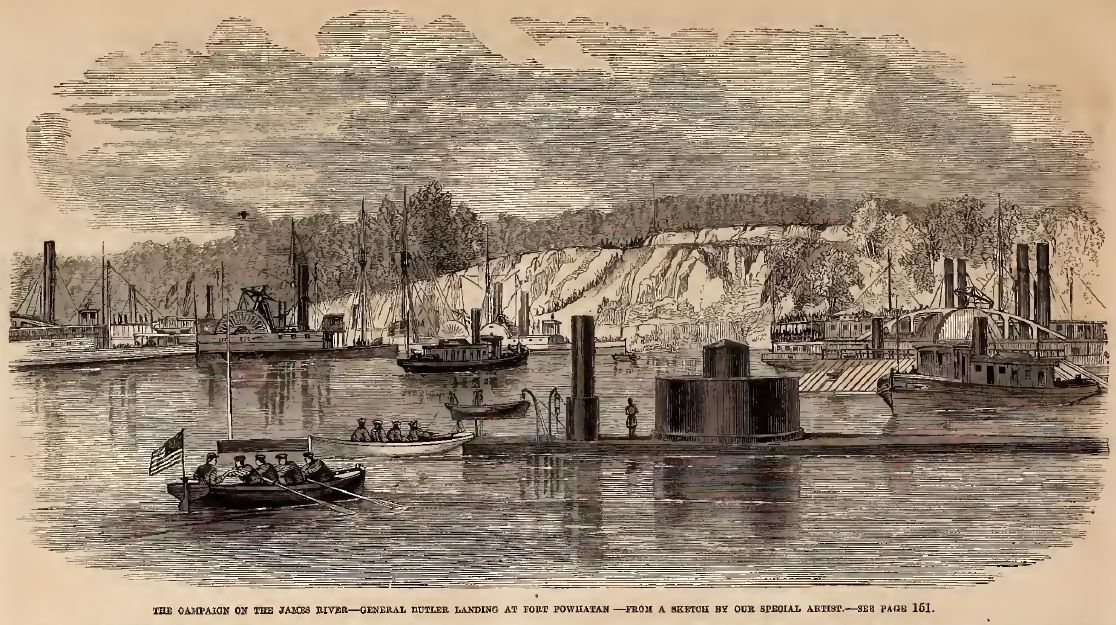
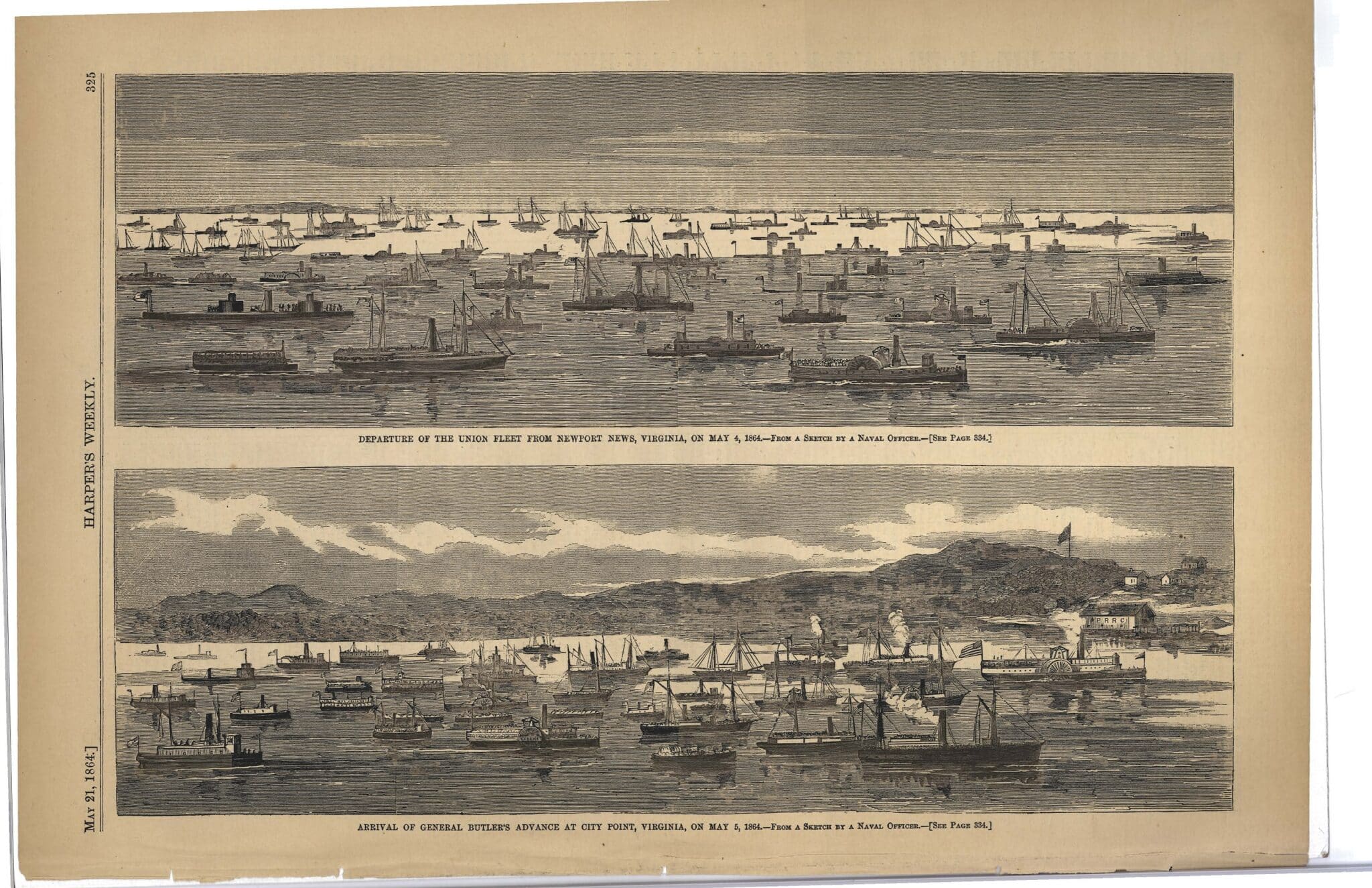
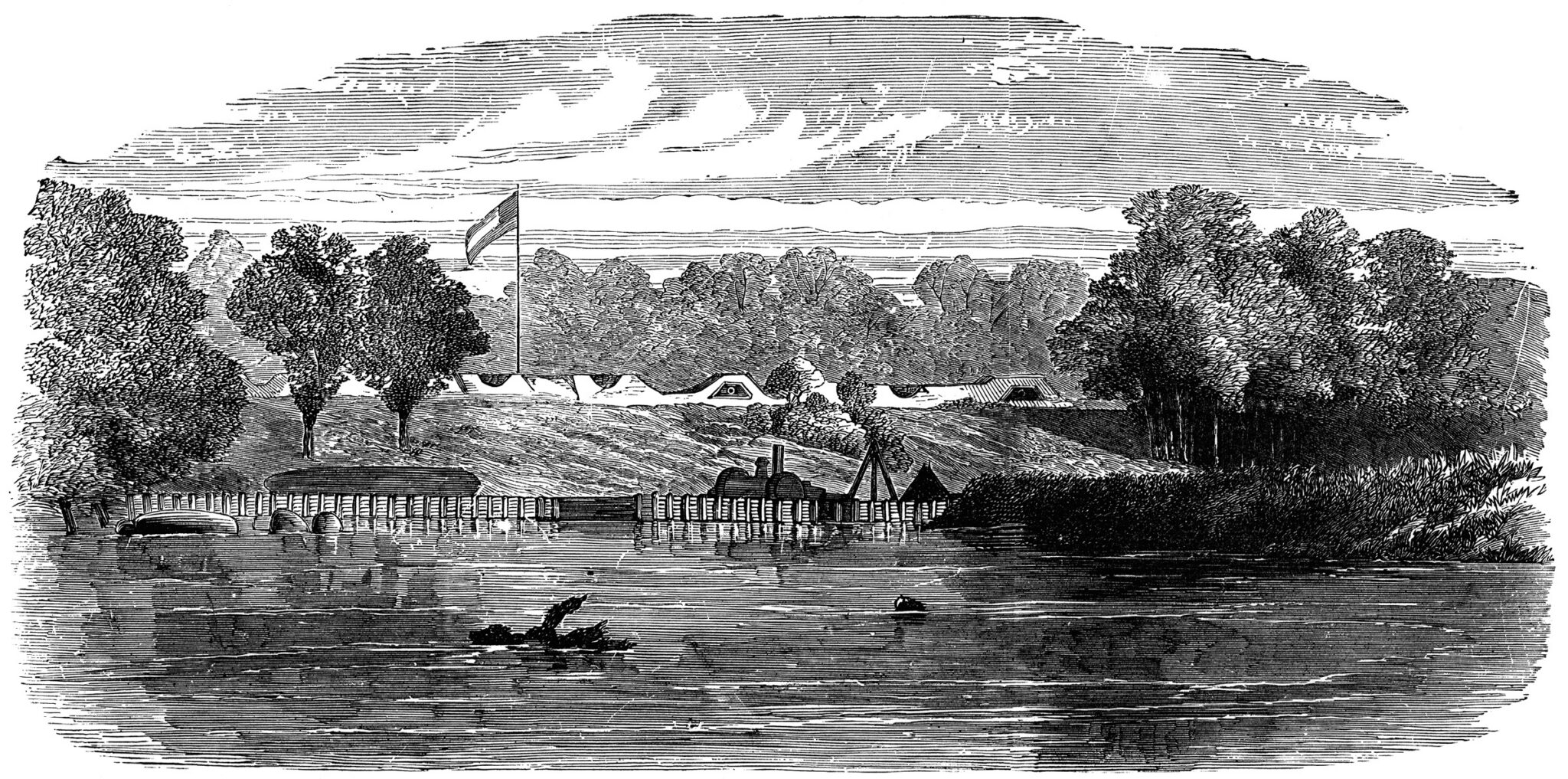
And yet despite it all, there are precious few images of the campaign and, in particular, the various engagements. Harper’s Weekly carried the USS Commodore Jones being sunk by a torpedo and the departure of Samuel Lee’s fleet from Fort Monroe to Bermuda Hundred. These ships and weapons though represented the latest in technology. Inevitably they were well represented in the imagery of the war.
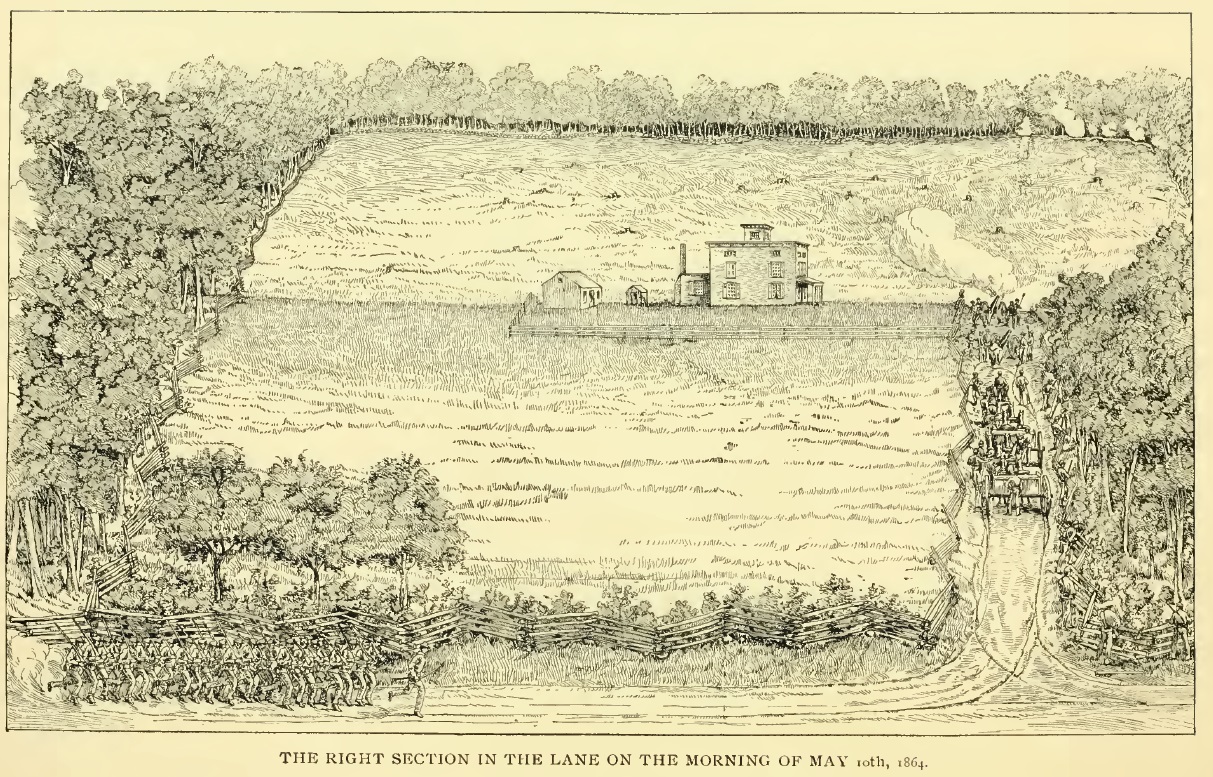
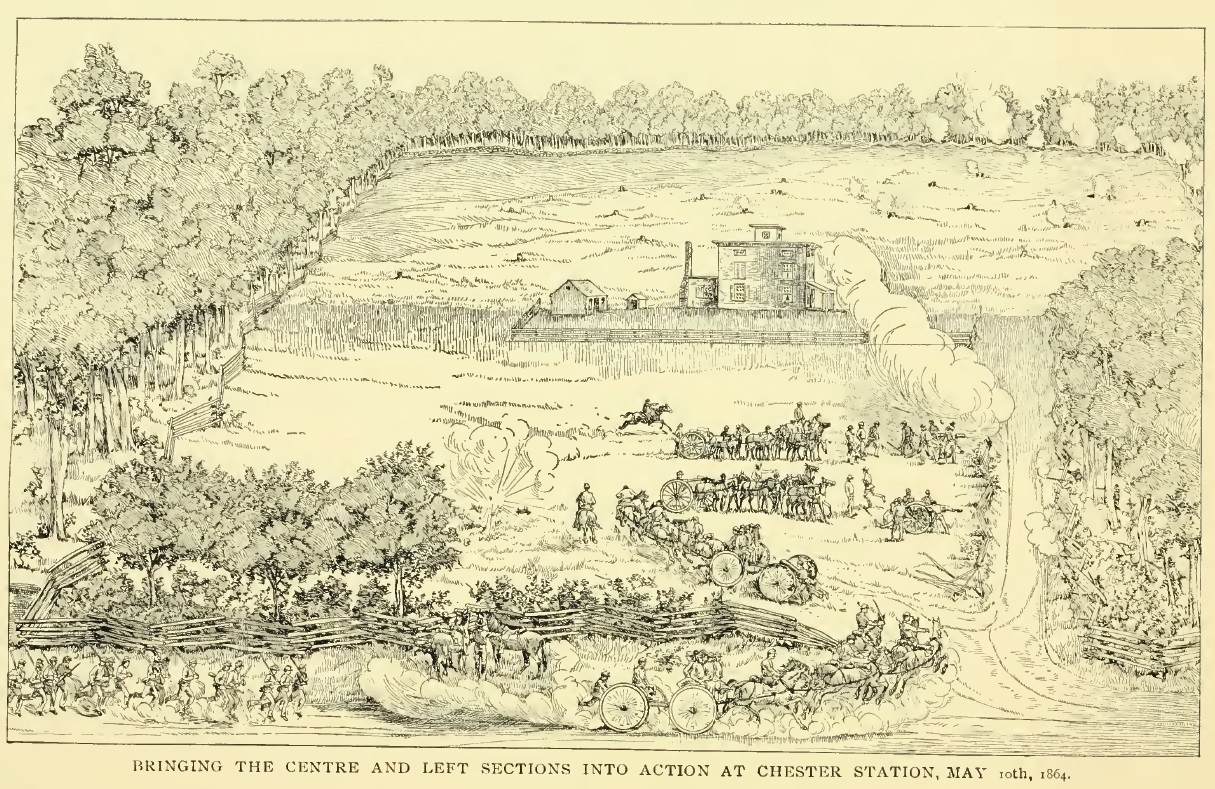
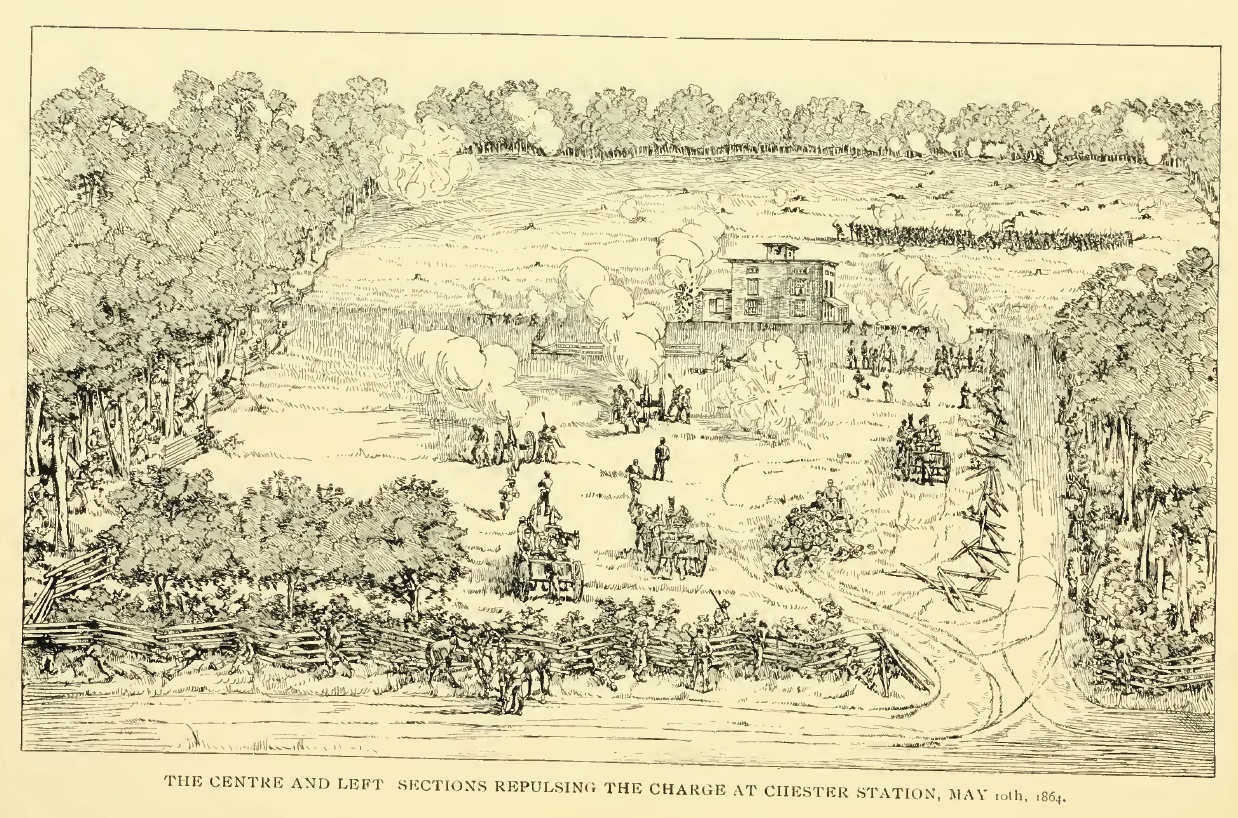
Herbert W. Beecher’s History of the First Light Battery Connecticut Volunteers is a well-illustrated work. However, Beecher often used Edwin Forbes’s images and claimed they depicted incidents in the campaign, which they did not. That said, three were made showing the action at Chester Station, featuring the battery. I would have used these in Grant’s Left Hook, but I could not get good quality images in time.
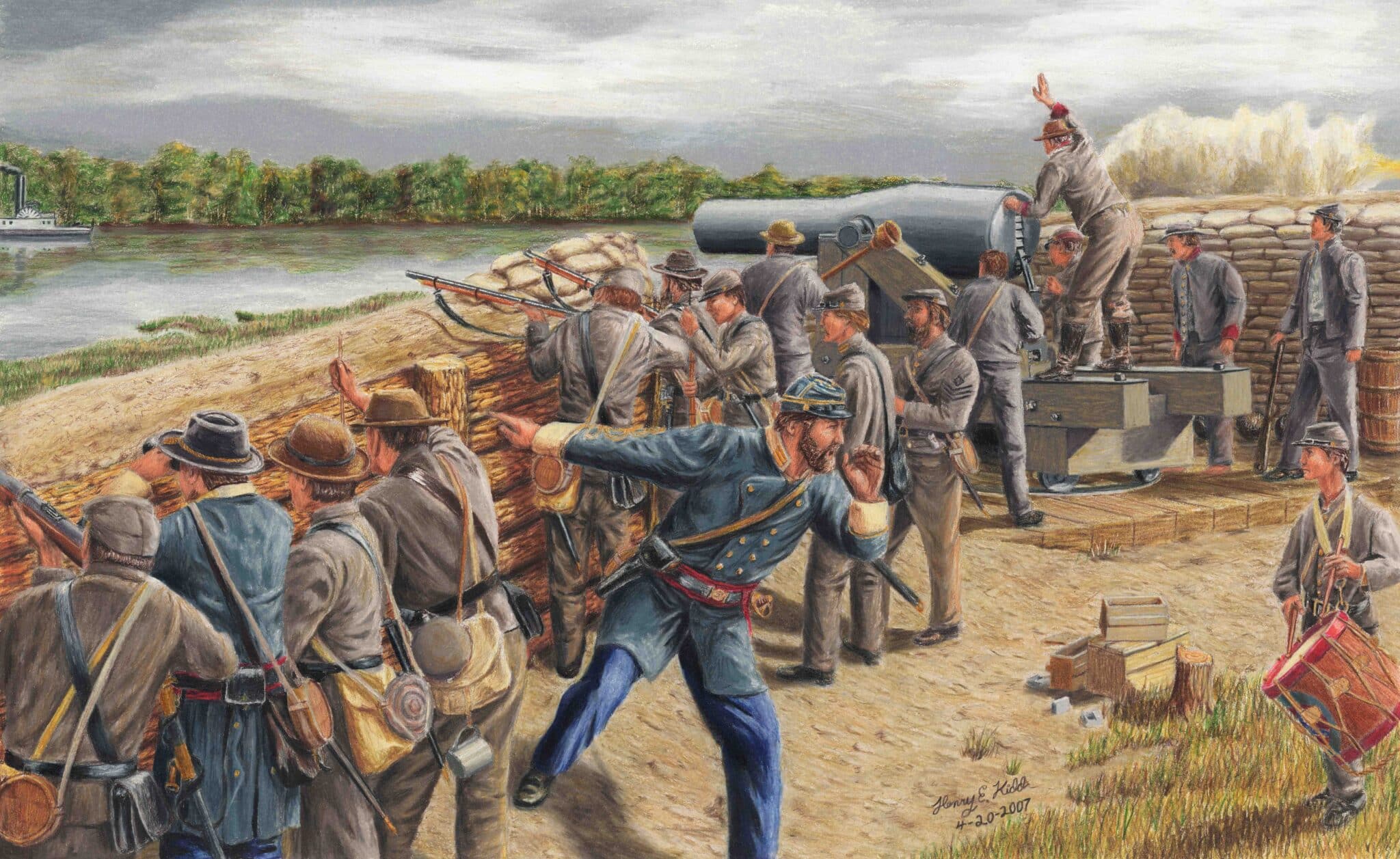
A more contemporary painting was crafted by Chesterfield County resident and artist Henry Kidd. Titled “Sentinel on the Heights,” it shows Fort Clifton battling Charles K. Graham’s army gunboats north of Petersburg. The fight ended in the loss of USS Samuel L. Brewster. It was a notable Confederate success, and it made Graham, Benjamin Butler, and Samuel Lee less willing to use their ships aggressively.
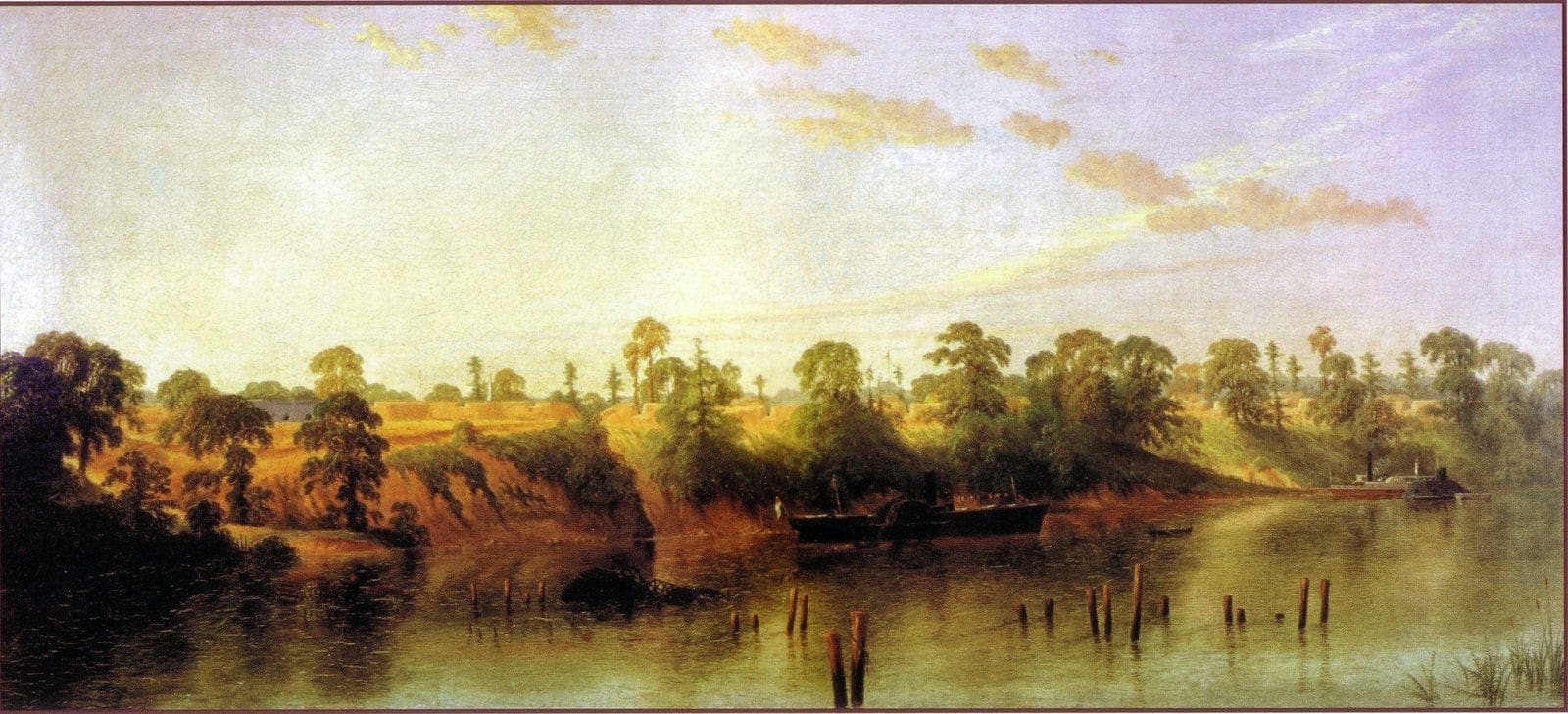
The glaring hole here is that there is nothing depicting the battle of Drewry’s Bluff. Or at least the battle itself. John Ross Key did a very good painting of the bluff. He was a notable landscape artist, although what drew him to Drewry’s Bluff remains unknown. His work, though, was not simply a landscape piece, as the Confederate fortifications can be seen as well as the James River Squadron and the obstructions. His work is similar to an illustration that could be found in Famous Leaders and Battle Scenes of the Civil War.
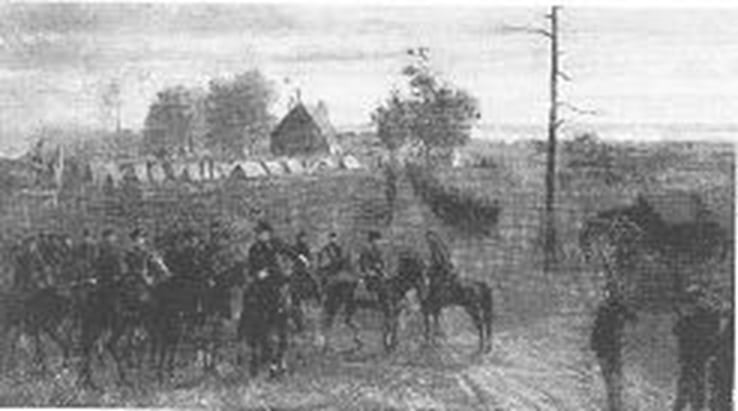
Only recently I found out the battle of Drewry’s Bluff might have a painting. Robert J. Titterton mentioned such a work in Julian Scott: Artist of the Civil War and Native America. Scott was a celebrated artist known for “The Death of Sedgwick,” “Surrender of a Confederate,” “Mounted Sentry,” “Union Soldiers Find Dummy Defenders Wooden Cannon,” and “The Moment of Decision.” He did portraits of George McClellan and William F. Smith and painted the battles of Chancellorsville, Cedar Creek, Antietam, and Williamsburg. To say I was excited would be a gross understatement.
The work is named “Major-General W.F. Smith and his Staff Before Proctor’s Creek, Va. May 16, 1864.” Proctor’s Creek is another, less common name for Drewry’s Bluff. It was in the Tharpe Collection of American Military Art in Philadelphia, Pennsylvania. The collection was auctioned off in 2007 by Heritage Auctions. Every attempt to contact Heritage Auctions thas been unanswered. Robert Dunkerly found a low-quality image of it online. I followed several leads in the area. Nothing came up. It likely now sits in a private collection, unknown to the world. For now, we have a grainy image that shows what is likely Smith and his staff.
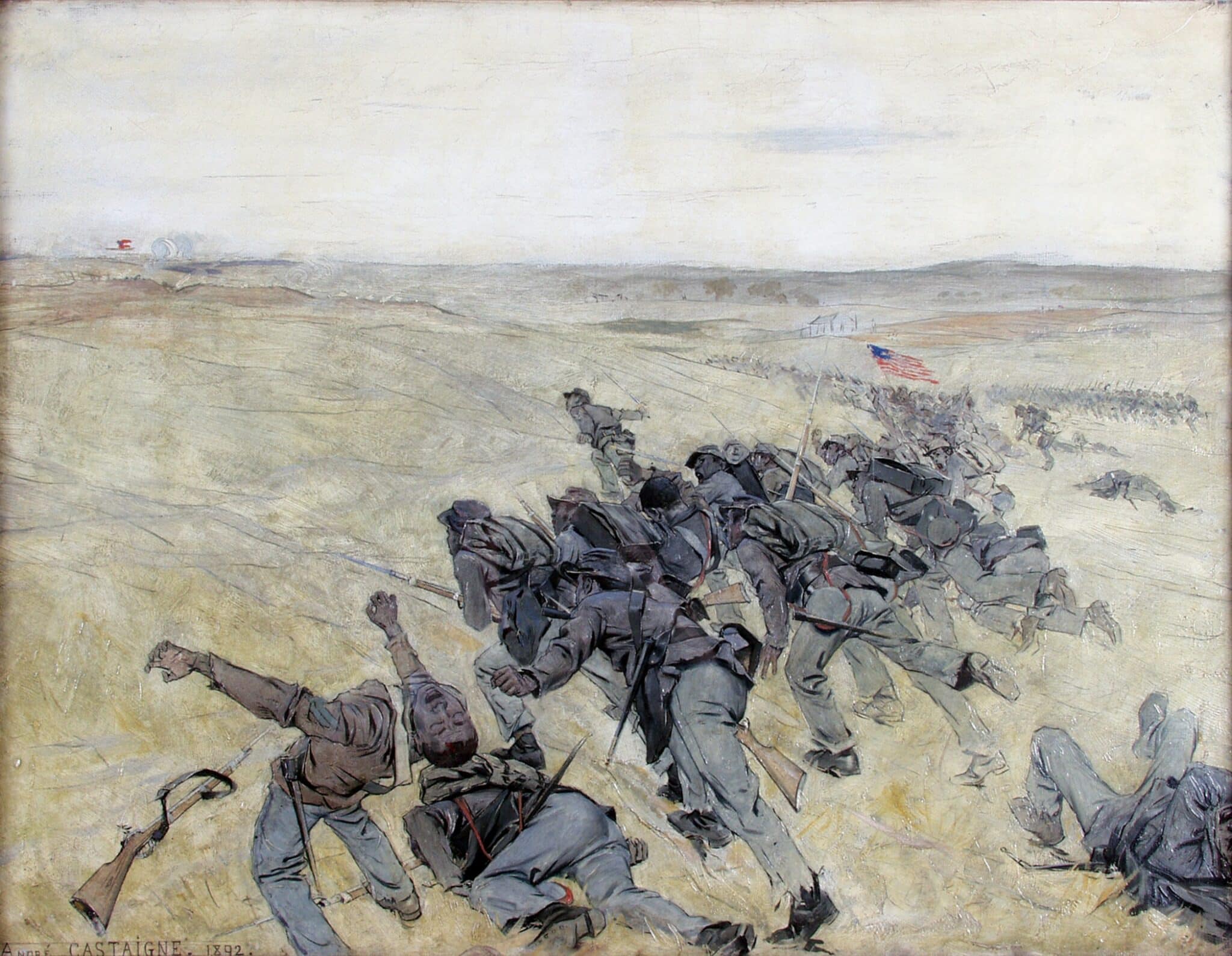
Lastly, another piece is “Negro Troops Charging the Entrenchments Before Petersburg: Under the Command of General Kiddoo.” It depicts the 22nd USCT at Petersburg on June 15, which was also painted by Andre Castaigne and was featured on a postage stamp. Scott was working on it in 1870. Titterton did not confirm if it was finished. Its fate remains unknown.
Compared to Drewry’s Bluff, Perryville, Glendale, Corinth, Champion Hill, the Crater, South Mountain, Mansfield, and Bull Run are all represented in art from various periods. Some were in Harper’s Weekly and Frank Leslie’s Illustrated Newspaper. Some had paintings made after the war or were made in the last few decades. Kidd, Don Troiani, Mort Kunstler, Rick Reeves, Keith Rocco, John Paul Strain, Don Stivers, Donna J. Near, Dale Gallon, Andy Thomas, Sidney Eugene King, Tom Lovell, Henry Clow, and others made works in many underrepresented battles: the Crater, Fort Fisher, Petersburg, Port Republic, Sayler’s Creek, Brice’s Cross Roads, Lexington, Selma, North Anna, Nashville, Fort Blakeley, Pea Ridge, Fort Harrison, Globe Tavern, Glendale, and Fussell’s Mill. Yet, Drewery’s Bluff remains in the shadows. Among major battles Drewry’s Bluff might be the only one for which we seemingly have nothing but a “missing” Scott painting that seems to only show Smith and his staff.


