A Flash in the Darkness: Two Haunted Tales from Civil War Virginia
It’s that time of year again, when crisp air, autumn colors, and lengthening nights put us in the mood for something spooky. Earlier this year, The History Press published my latest book, Haunted Highways of Virginia, and, of course, the Civil War is sprinkled liberally throughout like cinnamon in warm apple cider.
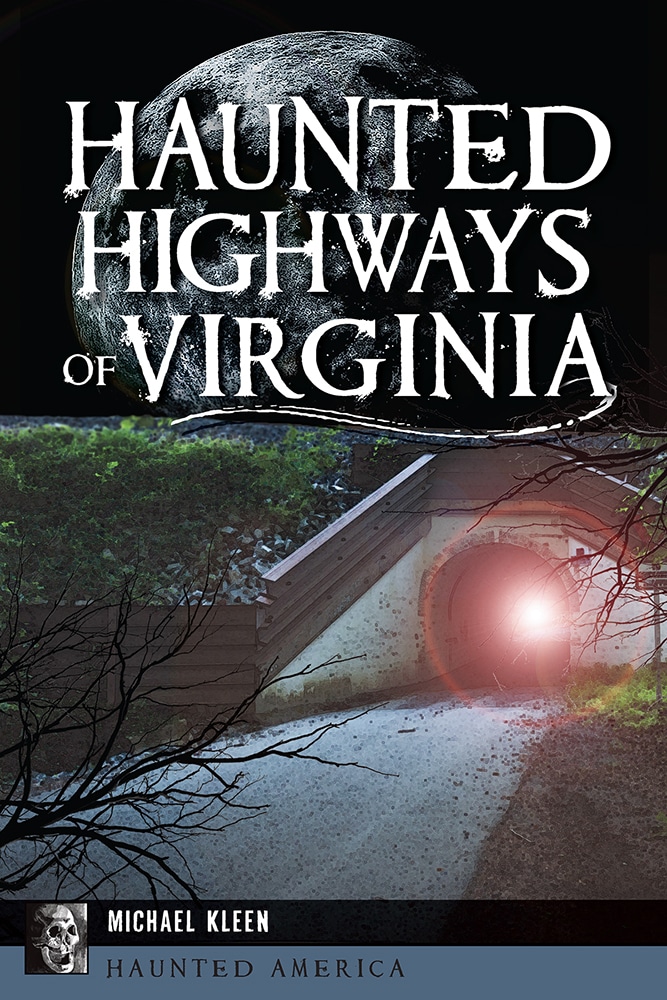
The book’s premise is simple: In the early 1900s, private precursors to the interstate highway system, known as auto trails, crisscrossed the Old Dominion. Some of their names may sound familiar: Lee Highway, Tidewater Trail, and Midland Trail. Other routes, including the Wilderness Road and Great Wagon Road, are far older. Each chapter in Haunted Highways of Virginia follows one of these roads into places where the past intrudes on the present: museums, battlefields, bridges, ghost towns, and state parks you can visit today.
In Virginia, the past refuses to stay buried, and no period in the state’s history was more tumultuous than the Civil War. The conflict touched nearly every family, home, and institution, giving rise to legends and stories passed down through generations. My book contains only a small sampling of these tales, drawn from places such as Manassas National Battlefield Park, the Graffiti House and Brandy Station Battlefield, Chatham Manor, the Exchange Hotel Civil War Medical Museum, and Five Forks Battlefield.
The Tidewater Trail was the first paved road through Virginia’s Middle Peninsula. During the Civil War, the Middle Peninsula saw a handful of Union raids and was largely spared the widespread destruction experienced elsewhere. Today, visitors can explore Fort Nonsense Historical Park, which preserves a set of Confederate earthworks constructed in 1861. According to local legend, the fort was never used in battle. During one Union incursion, infantry forces bypassed the position entirely by landing behind it, rendering its eastward-facing defenses useless. A frustrated civilian reportedly quipped, “My, what a piece of nonsense,” and the name stuck.
One Civil War-era ghost story on the Middle Peninsula is set at the colonial-era Abingdon Episcopal Church in Gloucester. Abingdon Church, sheltered by old hickory and walnut trees, is approximately 6.3 miles east of Rosewell Plantation along the Tidewater Trail (U.S. Route 17). Completed around 1755, it boasts stately Flemish bond brickwork, a cruciform layout, and an ornate wood altarpiece believed to be either original to the church or salvaged from a nearby parish. Although its Anglican services briefly ceased after the American Revolution and the building was vandalized during the Civil War, it has been lovingly restored over the years, maintaining an unmistakable air of age and dignity.
But it’s not just the architecture that draws the curious. Like many Tidewater churches, Abingdon comes with a story, the kind told when thunder rolls and wind rattles the stained glass. Caroline Baytop Sinclair, in Stories of Old Gloucester, tells the tale. One stormy night in 1863, a lone Union cavalryman sought refuge from the rain. He had become separated from his unit while evading Confederate patrols and stumbled across the old church, which had recently been ransacked by soldiers. Finding the doors ajar, he led his weary horse inside and settled among the ruins of pews and broken paneling.
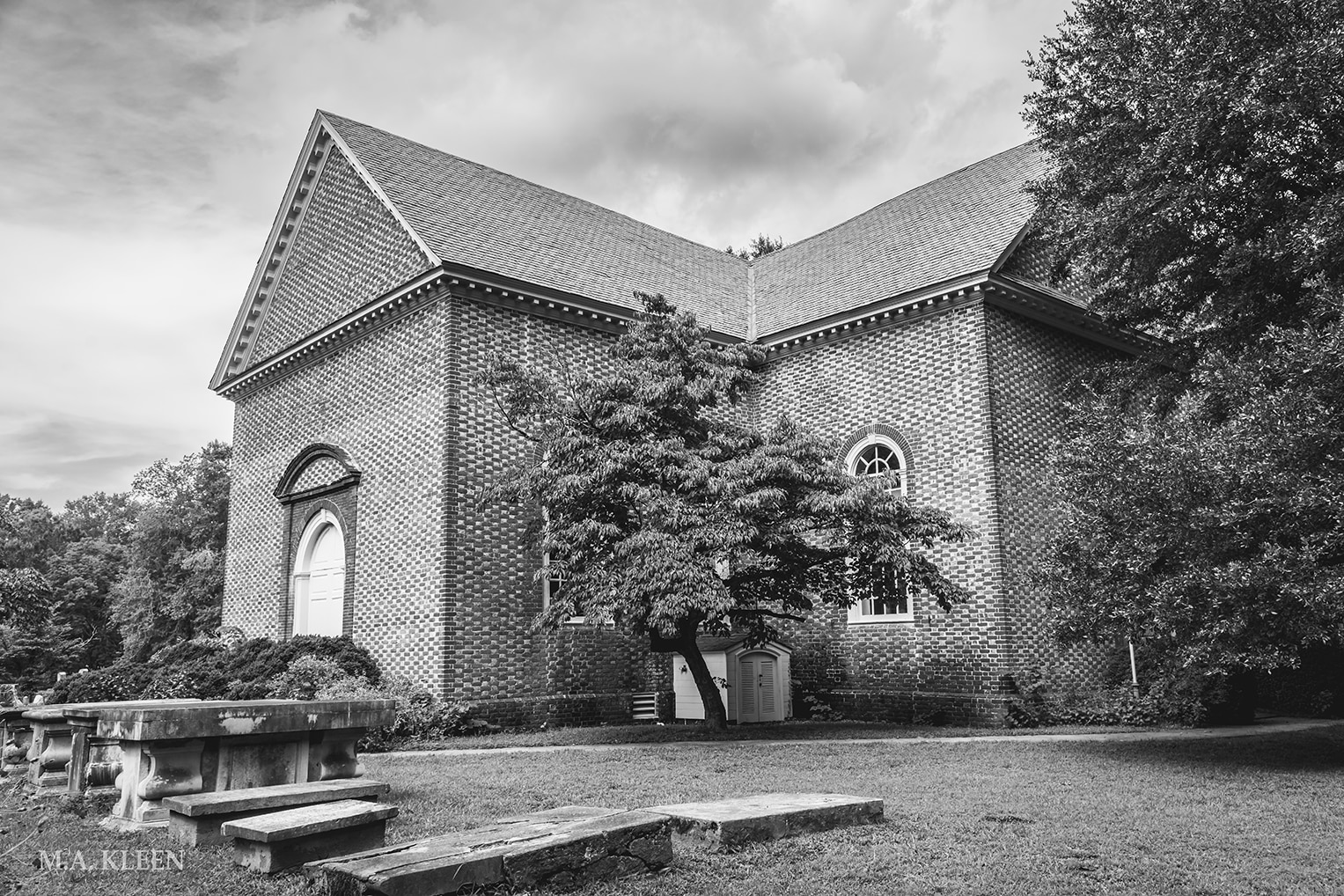
What happened next chilled him more than the cold. Illuminated by flashes of lightning, the soldier spotted a ghostly figure descending the stairs from the north gallery—tall, white, and unmistakably human in form. As another bolt of lightning lit the interior, he spurred his horse into a panicked gallop out of the churchyard. But not alone. Sinclair wrote that as the frightened rider fled, “the flashing streaks in the sky revealed two riders upon the horse’s back.”
Another stormy, strange tale takes place along the Valley Pike during the second year of the Civil War. On May 24, 1862, Union Maj. Gen. Nathaniel P. Banks found himself in retreat at Strasburg, nursing the wounds of defeat after the battle of Front Royal. Confederate Maj. Gen. Thomas J. “Stonewall” Jackson had crossed the Shenandoah River and was advancing northward with speed and purpose. Realizing that his army risked being cut off from its vital supply base at Winchester, Banks reluctantly ordered a withdrawal. Jackson pursued him along the Valley Pike and the Front Royal-Winchester Road, overtaking the Union forces south of Winchester. There, another clash erupted, with another Southern victory.
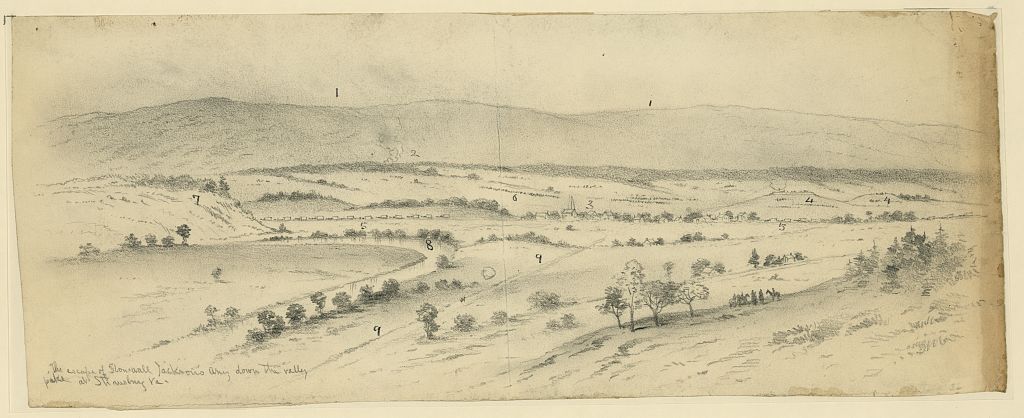
Legend tells of a stormy night during this campaign, when a Union sympathizer, knowing Jackson was on the move, commandeered a stagecoach and raced down the Valley Pike to warn Banks. Rain lashed the hills and thunder cracked above, but the driver pressed on through the din. Before he could reach the Union camp, a bolt of lightning split the sky and struck the coach, killing him instantly. One year later, during another storm, a Confederate scout riding along the Pike claimed he saw a stagecoach flying toward him—its wheels not touching the ground, its lanterns flickering with an otherworldly glow.
To this day, locals say that on tempestuous nights, when the wind screams through the passes and lightning dances across the sky, a ghostly coach can be seen racing down modern U.S. Route 11. It never stops. It never slows. And it never reaches its destination.
Stories like these remind us that Virginia’s highways are more than routes from one destination to another. They are threads connecting the present to a past that lingers in old churches, quiet battlefields, and lonely stretches of road. Whether or not you believe every tale, autumn is the perfect time to follow them for yourself. Just keep an eye on the rearview mirror when thunder begins to roll.
Sources
Mason, George Carrington. Colonial Churches of Tidewater Virginia. Whittet and Shepperson, 1945.
Rutherford, Mac. Historic Haunts of Winchester: A Ghostly Trip Through the Past. Haunted America, 2007.
Sinclair, Caroline Baytop. Stories of Old Gloucester. McClure Printing Company, Inc., 1974.
Taylor, L.B., Jr. Civil War Ghosts of Virginia. Progress Printing Co., 1995.
Taylor, L.B., Jr. The Ghosts of Tidewater …and Nearby Environs. Progress Printing Co., 1990.


